Home & Garden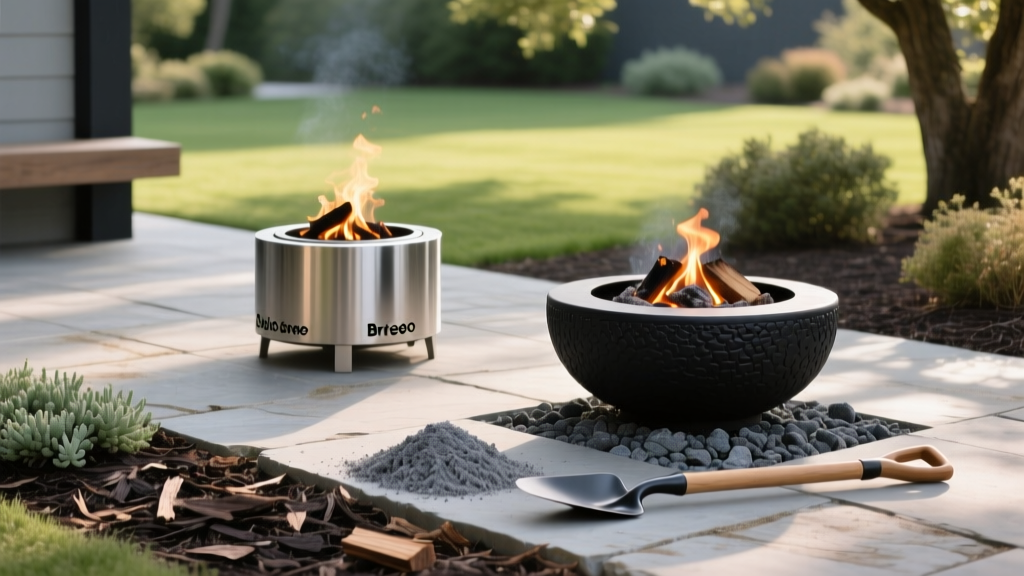
Solo Stove vs Breeo 2026: Ash for Mulch & Fire Safety
Sarah ChenPublished
The Intersection of Hardscaping and Garden Health
As outdoor living spaces continue to evolve in 2026, the line between hardscaping and garden maintenance is blurring. Homeowners are no longer just looking for a place to roast marshmallows; they are seeking outdoor appliances that integrate seamlessly with their landscaping, soil health, and mulching routines. The smokeless fire pit market remains dominated by two titans: Solo Stove and Breeo. While most reviews focus on heat output and aesthetic design, a critical yet overlooked aspect of ownership is how these fire pits interact with your garden's mulch and soil ecosystem.
From the safe placement of high-heat vessels over organic ground covers to the strategic harvesting of wood ash as a potent mulch additive, understanding the agronomic and safety implications of your fire pit is essential. This guide bridges the gap between outdoor entertainment and the 'Mulching Methods & Materials' perspective, providing a comprehensive 2026 comparison of the Solo Stove Yukon 2.0 and the Breeo X Series 24.
2026 Flagship Comparison: Solo Stove Yukon 2.0 vs. Breeo X Series 24
Before diving into mulch safety and ash utilization, it is vital to understand the physical footprint and combustion technology of the current 2026 flagship models. Both brands utilize double-wall, secondary combustion technology, which drastically reduces smoke and alters the chemical profile of the leftover ash.
- Solo Stove Yukon 2.0: Priced around $350-$400 in 2026, the Yukon 2.0 is celebrated for its lightweight stainless steel build and the newly integrated removable ash pan. This feature is a game-changer for gardeners, making the harvesting of fine wood ash significantly cleaner and more efficient.
- Breeo X Series 24: Retailing between $600-$700 depending on the sear plate accessories, the Breeo X Series 24 is a heavy-duty, thick-gauge Corten steel behemoth. It is designed to be a permanent or semi-permanent landscape fixture. Its wider base and heavier weight distribution require more deliberate planning regarding ground cover and mulch clearance.
Wood Ash: A Hidden Treasure for Mulch and Soil
One of the most significant byproducts of any wood-burning fire pit is ash. Because smokeless fire pits burn at much higher temperatures due to secondary combustion, the resulting ash is finer, more concentrated, and free of the large, unburned charcoal chunks found in traditional fire pits. This makes it an excellent, albeit potent, amendment for your mulch and compost piles.
The Science of Secondary Combustion and Ash Yield
According to the Environmental Protection Agency (EPA), high-efficiency wood burning minimizes particulate emissions and leaves behind a highly mineralized ash. Wood ash is rich in calcium carbonate, potassium, and trace micronutrients like zinc and iron. However, it contains virtually no nitrogen. When mixed into your organic mulch pile, wood ash can help accelerate the breakdown of acidic organic matter, such as pine needles and oak leaves, by raising the overall pH of the composting environment.
Safely Integrating Ash into Your Mulching Routine
While wood ash is beneficial, it must be applied with caution. Penn State Extension notes that wood ash acts similarly to agricultural lime, rapidly raising soil pH. Here is how to safely integrate ash from your Solo Stove or Breeo into your 2026 mulching strategy:
- Compost Buffering: Never apply ash directly to garden beds in thick layers. Instead, dust a light layer (no more than 1/4 inch) over your active compost or mulch pile every few weeks. This neutralizes the acidic tannins breaking down in the organic matter.
- Avoid Acid-Loving Zones: Keep ash-infused mulch away from blueberries, azaleas, rhododendrons, and hydrangeas. These plants require acidic soil to absorb iron, and alkaline ash will induce chlorosis (yellowing of leaves).
- Pest Deterrent: A light ring of dry, sifted fire pit ash mixed with diatomaceous earth around the perimeter of your garden beds can deter soft-bodied pests like slugs and snails from crossing into your vegetable patches.
Pro-Tip for Solo Stove Users: The Yukon 2.0's removable ash pan allows you to pull the ash out the morning after a burn and immediately transfer it to a metal compost bucket, keeping your hardscaping pristine.
Fire-Safe Mulching: Ground Cover Placement and Clearance
The most critical intersection of fire pits and landscaping is fire safety. Radiant heat and popping embers can easily ignite dry organic mulch or melt synthetic ground covers. The University of California Agriculture and Natural Resources (UC ANR) emphasizes the importance of creating defensible space and using non-combustible materials in high-risk heat zones.
Inorganic vs. Organic Mulch Under Fire Pits
When installing a Breeo X Series or a Solo Stove Yukon in your backyard, the material directly beneath and immediately surrounding the pit is paramount. Organic mulches like cedar bark, pine straw, and hardwood chips are highly combustible. Even with the efficient burn of a smokeless pit, a single stray ember landing on dry cedar mulch can smolder for hours before igniting into a landscape fire.
Furthermore, rubber mulch—often marketed as a low-maintenance landscaping material—is a petroleum-based product. When exposed to the intense radiant heat generated by the Corten steel of a Breeo or the stainless base of a Solo Stove, rubber mulch will melt, release toxic fumes, and adhere to the bottom of your expensive fire pit, ruining its finish and airflow vents.
Mulch Material Fire Resistance Chart (2026 Standards)
| Mulch / Ground Cover Material | Fire Resistance Rating | Heat Tolerance | 2026 Landscaping Recommendation |
|---|---|---|---|
| Crushed Gravel (3/4-inch) | Non-Combustible | Extreme | Highly Recommended: Ideal base for Breeo & Solo Stove; ensures proper drainage. |
| Flagstone / Pavers | Non-Combustible | Extreme | Highly Recommended: Best for permanent patio setups; protects underlying soil structure. |
| River Rock / Pea Stone | Non-Combustible | High (Risk of popping) | Use with Caution: Trapped moisture in porous river rocks can cause them to pop or explode under high heat. |
| Cedar / Hardwood Bark | Highly Combustible | Low | Avoid: Maintain a minimum 10-foot clearance radius from any active fire pit. |
| Pine Straw | Extremely Combustible | Very Low | Strictly Prohibited: Ignites instantly from embers; never use near outdoor living areas. |
| Recycled Rubber Mulch | Melts / Toxic | Low | Strictly Prohibited: Melts onto steel bases, ruins fire pits, and emits hazardous fumes. |
Maintenance and Cleanup in the Garden
Maintaining the area around your fire pit is a year-round landscaping chore. In the spring and fall, when garden beds are being refreshed with new organic mulch, it is crucial to edge a clear boundary between your organic mulch zones and your inorganic fire pit base. Using steel landscape edging or a physical trench barrier prevents wind-blown cedar or hardwood mulch from accumulating against the base of the Breeo or Solo Stove, where it could pose a fire hazard or block the critical lower intake vents required for the secondary burn system.
For Breeo owners, the heavy Corten steel design means the pit is often left outside year-round. Elevating the pit on a bed of crushed gravel not only protects your lawn and mulch but also prevents the base from sinking into soft, wet soil during the winter thaw. For Solo Stove owners, the lightweight nature of the Yukon 2.0 allows you to store it in a shed or garage during heavy mulching and landscaping projects, preventing debris, wood chips, and soil from clogging the intricate airflow holes.
Conclusion
Choosing between the Solo Stove Yukon 2.0 and the Breeo X Series 24 in 2026 is no longer just about which fire pit looks best on a patio; it is about how the appliance integrates with your broader home and garden ecosystem. If your priority is active soil management, composting, and easily harvesting wood ash to balance your acidic mulch piles, the Solo Stove's removable ash pan offers unmatched convenience. If you are designing a permanent, heavy-duty hardscape oasis and need a robust centerpiece that demands a dedicated, non-combustible gravel or stone base, the Breeo X Series is the superior landscape anchor.
By respecting the chemical power of wood ash and adhering to strict fire-safe mulching clearances, you can enjoy the warmth of a smokeless fire pit while actively contributing to the health and safety of your 2026 landscape.
