Home & Garden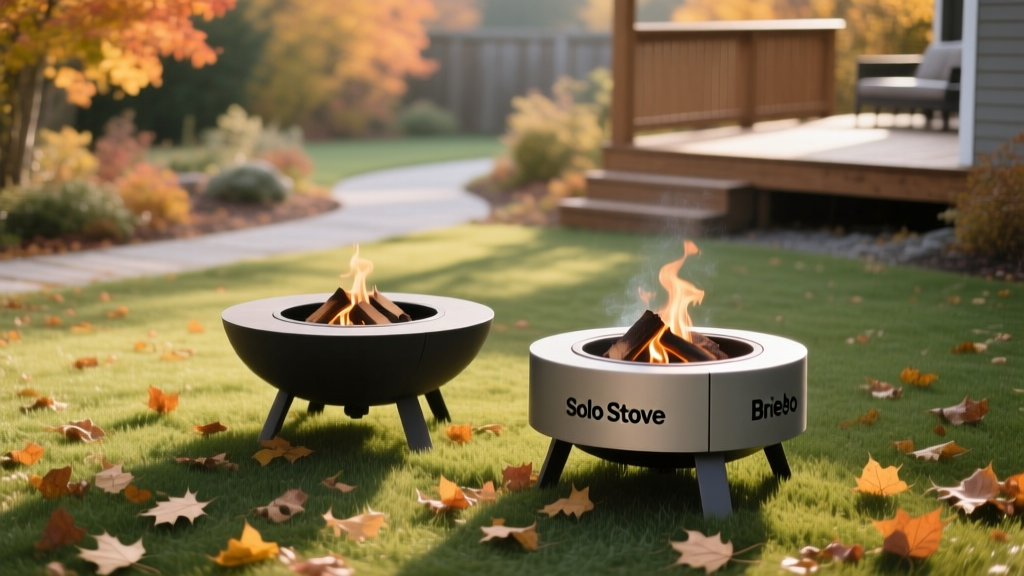
Solo Stove vs Breeo 2026: Best Fire Pits for Fall Lawns
David ParkPublished
The Intersection of Autumn Ambiance and Fall Lawn Care
As the crisp autumn air rolls in and the 2026 outdoor living season shifts into its final, most atmospheric phase, homeowners are looking for ways to extend their time in the yard. Nothing achieves this quite like a smokeless fire pit. However, as a dedicated lawn care enthusiast, you know that fall is arguably the most critical season for turf health. Transitioning your outdoor living space for autumn requires balancing cozy backyard gatherings with the agronomic needs of your grass. In this comprehensive guide, we compare the two titans of the smokeless fire pit industry—Solo Stove and Breeo—specifically through the lens of fall lawn care, soil health, and turf protection.
Why Heat and Ash Threaten Your Autumn Turf
Fall is the most critical season for cool-season grasses like Kentucky Bluegrass, Perennial Ryegrass, and Tall Fescue. While the air temperature drops, the soil remains warm from the summer, creating the perfect environment for a massive root growth flush. According to turf specialists at the University of Minnesota Extension, fall is when your lawn recovers from summer stress and stores carbohydrates for the winter. Placing a heavy, heat-radiating steel fire pit directly on your turf can be disastrous. The downward thermal transfer bakes the soil profile, severing delicate new root hairs and scorching the grass crown. Furthermore, the byproduct of your cozy evenings—wood ash—can drastically alter your soil chemistry if not managed correctly.
Solo Stove 2026 Lineup: The Lightweight Contender
Solo Stove continues to dominate the portable smokeless market in 2026. Their flagship models, the Bonfire 2.0 and the massive Yukon 2.0, utilize a patented double-wall, secondary combustion design. Air is drawn in through the base, heated between the walls, and injected back into the fire cavity to burn off smoke-producing particulates.
- Bonfire 2.0: Priced around $329 in 2026, it measures 19.5 inches wide. It is light enough to be moved around the yard, which is excellent for preventing localized lawn scorch.
- Yukon 2.0: Priced near $499, this 27-inch behemoth is ideal for large patios but requires a dedicated heat shield if placed near dormant turf.
From a lawn care perspective, Solo Stove's removable base plate (a standard feature on all 2.0 models) makes ash cleanup significantly easier, reducing the chance of spilling alkaline ash onto your fall overseeding projects.
Breeo 2026 Lineup: The Heavy-Duty Backyard Anchor
Breeo approaches the fire pit from a rugged, permanent-fixtures perspective. Their X Series and Y Series pits are crafted from thick Corten steel or stainless steel. Because the steel is substantially thicker than Solo Stove's, Breeo pits retain and radiate heat much longer into the chilly autumn night.
- X Series 19: Retailing for approximately $349, this model is a staple for mid-sized yards.
- X Series 24: At roughly $499, the X24 offers a massive burn area and compatibility with the Breeo Outpost grilling system, bridging the gap between fire pit and outdoor kitchen.
However, the intense, long-lasting heat retention of Breeo's thick steel walls means the ground beneath it is subjected to prolonged thermal stress. If you are using a Breeo on a natural lawn, utilizing their specialized Paver Base or an elevated heat shield is non-negotiable to protect your soil's microbial life and root structure.
Head-to-Head Comparison Chart (2026 Models)
| Feature | Solo Stove Bonfire 2.0 | Solo Stove Yukon 2.0 | Breeo X Series 19 | Breeo X Series 24 |
|---|---|---|---|---|
| 2026 Approx. Price | $329 | $499 | $349 | $499 |
| Weight | 23 lbs | 38 lbs | 48 lbs | 70 lbs |
| Lawn Mobility | High | Medium | Low | Very Low |
| Ash Cleanup | Easy (Removable Base) | Easy (Removable Base) | Moderate (Scoop required) | Moderate (Scoop required) |
| Heat Deflection Needs | Moderate | High | High | Extreme |
Managing Wood Ash on Your Fall Lawn
One of the most overlooked aspects of owning a fire pit is ash disposal. Wood ash is not merely waste; it is a potent soil amendment. It contains roughly 1-2% phosphorus, 3-7% potassium, and up to 30% calcium carbonate. Essentially, wood ash acts as a fast-acting liming agent. According to soil scientists at Penn State Extension, applying wood ash raises the soil pH. If your fall soil test reveals an acidic lawn (pH below 5.8), a very light, carefully sifted dusting of completely cooled wood ash can help neutralize acidity and provide essential potassium for winter hardiness.
However, the danger lies in over-application. Dumping a full bucket of ash in one spot will cause localized turf necrosis, burning the grass and locking up essential micronutrients like iron and manganese. Never dump ash on warm-season grasses that are actively going dormant, and never use ash from burned pressure-treated lumber, painted wood, or manufactured logs with chemical binders, as these introduce toxic heavy metals into your soil ecosystem.
Smokeless Technology and Fall Air Quality
Why is smokeless technology so vital in the autumn? Fall weather patterns frequently create temperature inversions. This meteorological phenomenon occurs when a layer of warm air traps cold air near the ground. In a traditional fire pit, this inversion traps smoke, ash, and volatile organic compounds (VOCs) at breathing level, ruining your outdoor evening and contributing to local particulate pollution. The EPA BurnWise program heavily advocates for advanced combustion technologies to reduce residential wood smoke. Both Solo Stove and Breeo excel here, utilizing secondary combustion to incinerate the smoke before it leaves the pit, ensuring your fall air remains crisp and clean.
Best Practices for Fire Pit Placement on Fall Lawns
To protect your turf while enjoying your 2026 fire pit, follow these actionable placement rules:
- Utilize Hardscape Bases: Always place your fire pit on a patio, driveway, or a dedicated bed of crushed gravel. If you must place it on the lawn, use a specialized heat shield or a base of interlocking concrete pavers that extends at least 2 feet beyond the pit's diameter.
- Rotate Locations: If you are using the lighter Solo Stove Bonfire on the grass, never place it in the exact same spot two nights in a row. The soil needs time to dissipate the trapped thermal energy.
- Avoid Fresh Overseed: Keep fire pits and heavy foot traffic entirely away from areas of the lawn that were overseeded in early September. The new shoots are incredibly vulnerable to heat stress and soil compaction.
- Cool Down Before Covering: Autumn leaves are dry and highly flammable. Ensure the pit is fully extinguished and covered with a spark screen or lid to prevent wind-blown embers from igniting nearby leaf litter or dormant thatch.
Final Verdict for the Lawn Enthusiast
Choosing between Solo Stove and Breeo in 2026 ultimately depends on your landscape design and how you interact with your yard. If you prioritize lawn health through frequent rotation, easy ash removal, and lightweight mobility, the Solo Stove Bonfire 2.0 is the superior choice. Its removable base plate makes transferring ash to your compost bin (in micro-doses) a breeze, and its lighter weight encourages you to move it off the grass when the evening ends.
Conversely, if you have a designated gravel pit, a stone patio, or a permanent hardscape area where the fire pit will never touch the grass, the Breeo X Series 24 offers unmatched durability, superior heat retention for freezing November nights, and the added utility of outdoor cooking. Whichever you choose, respecting the delicate biology of your fall lawn will ensure that your turf survives the winter and emerges thick, green, and vigorous next spring.
