Home & Garden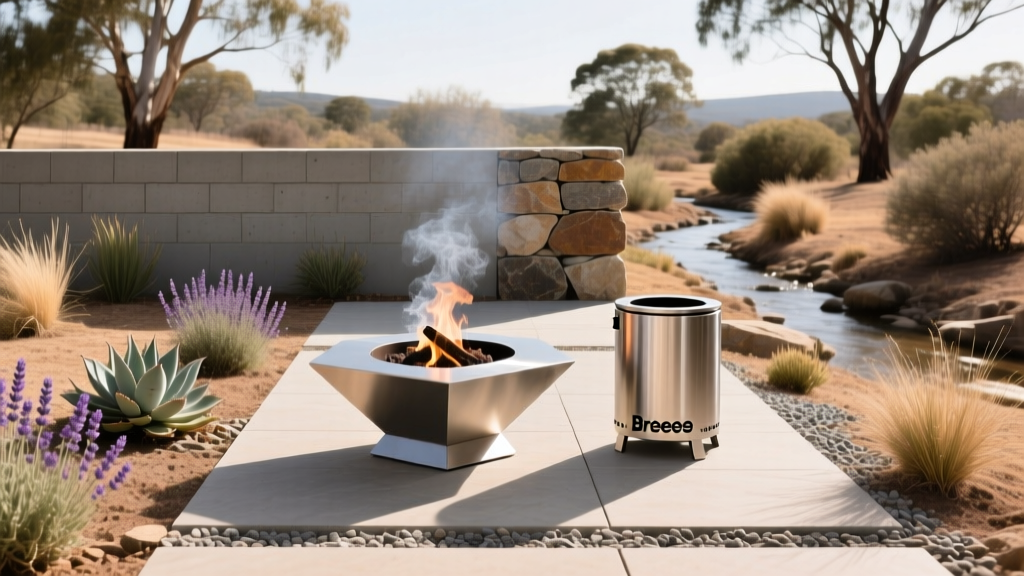
Solo Stove vs Breeo 2026: Fire-Resistant Landscape
David ParkPublished
The Intersection of Outdoor Living and Wildfire Preparedness in 2026
As we navigate the 2026 outdoor living season, the intersection of luxury backyard design and wildfire preparedness has never been more critical. Homeowners in fire-prone regions are no longer willing to sacrifice the ambiance of a crackling fire for the sake of safety. Instead, they are turning to advanced, smokeless fire pits and integrating them into meticulously planned fire-resistant landscapes. The two undisputed leaders in this space are Solo Stove and Breeo. But when it comes to protecting your property and maintaining defensible space, how do these smokeless wonders compare?
Fire-resistant landscaping is not just about planting succulents or clearing dry brush; it is a comprehensive approach to managing combustible materials, controlling ember intrusion, and utilizing non-combustible hardscaping. In this comprehensive guide, we will break down the Solo Stove vs. Breeo debate from the perspective of fire safety, defensible space zoning, and smart landscape integration.
Understanding Defensible Space and Hardscaping Zones
Before placing any fire feature in your yard, it is essential to understand the principles of defensible space. According to Ready for Wildfire, defensible space is the buffer you create between a building on your property and the grass, trees, shrubs, or any wildland area that surrounds it. This space is typically divided into three zones:
- Zone 0 (0-5 feet from the home): The ember-resistant zone. This area must be entirely free of combustible materials, including wood mulch, dead leaves, and traditional open-flame fire pits.
- Zone 1 (5-30 feet from the home): The lean, clean, and green zone. Hardscaping features like patios, gravel pathways, and properly contained fire pits belong here.
- Zone 2 (30-100 feet from the home): The fuel reduction zone. Trees and shrubs are spaced out to prevent fire laddering.
When integrating a Solo Stove or Breeo fire pit into your landscape, the unit must be placed in Zone 1 or beyond, resting exclusively on non-combustible hardscaping such as concrete, flagstone, pavers, or a dedicated gravel pad. Never place these units directly on dry grass, wood decking, or bark mulch, regardless of their smokeless claims.
The 2026 Smokeless Fire Pit Showdown: Solo Stove vs. Breeo
Both Solo Stove and Breeo have revolutionized the backyard fire experience by utilizing secondary combustion technology. This process draws in oxygen from the bottom, heats it between double walls, and reintroduces it at the top to burn off smoke and particulates before they escape. However, their engineering approaches differ significantly, which impacts their safety profile in a fire-resistant landscape.
Solo Stove: Aerodynamic Burn and Portability
The 2026 lineup of Solo Stove, particularly the Bonfire 2.0 and Yukon 2.0, is renowned for its lightweight, portable design and highly efficient airflow system. The signature 360-degree signature airflow creates a powerful updraft that virtually eliminates smoke. Because the burn is so hot and efficient, the wood is reduced to a very fine ash, leaving minimal unburnt fuel to pop or spark. However, the high-velocity updraft can occasionally lift fine, glowing ash particles if the pit is overfilled with lightweight, resinous woods.
Breeo: Heavy-Duty Steel and Heat Dispersion
Breeo’s X Series and S Series fire pits take a different approach. Constructed from thick-gauge Corten steel or 304 stainless steel, Breeo pits are substantially heavier and designed to be semi-permanent fixtures in your hardscape. The thick steel walls retain and radiate heat outward more evenly. Breeo’s patented airflow channels are slightly wider, accommodating larger, denser logs that burn slower. The sheer weight of the Breeo makes it incredibly stable, reducing the risk of accidental tipping—a crucial safety factor in high-traffic outdoor living areas.
Ember Mitigation: The True Test of Fire-Resistant Landscaping
According to the National Fire Protection Association (NFPA), wind-blown embers are the leading cause of home ignitions during wildfires. A single glowing ember landing on dry mulch or in a gutter can spell disaster. Therefore, a fire pit's ability to contain embers is its most important safety feature.
Solo Stove’s secondary burn is so aggressive that it acts as a natural spark arrestor, consuming most volatile gases before they can escape as popping embers. However, because the walls are relatively thin, the metal heats up and cools down rapidly. Breeo’s thick steel walls take longer to heat up but maintain a consistent temperature that promotes a steady, rolling burn rather than a volatile, popping fire. For homeowners in extremely dry, windy climates, Breeo’s optional spark arrestor screens (available for the X Series) provide an added layer of physical protection against escaping embers.
Feature Comparison Chart: 2026 Models
| Feature | Solo Stove Bonfire 2.0 | Breeo X Series 24 |
|---|---|---|
| Primary Material | 304 Stainless Steel (Thin Gauge) | Corten or 304 Stainless (Thick Gauge) |
| Weight | 41 lbs (Highly Portable) | 145 lbs (Semi-Permanent) |
| Spark Risk Profile | Low (High-temp secondary burn) | Very Low (Steady burn, optional screen) |
| Base Heat Transfer | Moderate (Requires heat shield on decks) | High (Requires thick paver or gravel base) |
| Best Landscape Type | Flexible hardscapes, travel, patios | Permanent gravel pits, stone patios, Zone 1 |
Best Practices for Fire Pit Placement in 2026
To safely enjoy your Solo Stove or Breeo in a fire-resistant landscape, follow these actionable placement and maintenance guidelines:
Base Materials and Clearance
Create a dedicated non-combustible pad for your fire pit. A 10-foot radius of crushed decomposed granite (DG), pea gravel, or poured concrete is ideal. Gravel is particularly effective because it allows water to drain, preventing the growth of dry weeds around the pit. Ensure that the fire pit is at least 15 feet away from any combustible fencing, wooden pergolas, or the exterior walls of your home.
Overhead Canopy Management
When placing your fire pit in Zone 1 or Zone 2, look up. You must maintain a minimum of 20 feet of vertical clearance from any tree canopies. This prevents rising heat and the occasional escaping ember from igniting dry pine needles or dead branches. Regularly prune trees to maintain this vertical defensible space.
Smart Home Integration for Fire Safety
In 2026, smart home technology plays a vital role in outdoor safety. Integrate a hyper-local ambient weather station (such as a Tempest or Ambient Weather system) with your smart home hub. You can set up automations that send an alert to your phone if wind speeds exceed 10 mph or if the local humidity drops below 20%—conditions that make operating a fire pit unsafe due to rapid ember travel. Some advanced smart irrigation systems can even be programmed to lightly mist the surrounding hardscape and gravel perimeter before you light the fire, increasing ambient humidity and weighing down any potential dust or debris.
Wood Selection and Burn Protocols
The type of wood you burn drastically affects the safety of your fire pit. The EPA BurnWise program strongly recommends using only seasoned, dry wood to minimize smoke and particulate matter. In a fire-resistant landscape, your primary concern is sap and moisture content. Softwoods like pine, fir, and cedar contain high levels of resin and moisture pockets. When heated, these pockets expand and explode, sending glowing embers shooting into the air.
The 2026 Rule of Thumb: Only burn kiln-dried hardwoods such as oak, hickory, or maple. Kiln-drying removes nearly all moisture and kills pests, resulting in a dense, predictable burn that produces maximum heat and virtually zero popping or sparking. Store your wood in a covered, well-ventilated rack located at least 30 feet away from your home (in Zone 2 or Zone 3) to prevent it from becoming a fuel source itself.
Ash Disposal and Post-Burn Safety
Ash management is a frequently overlooked aspect of fire safety. Both Solo Stove and Breeo produce significantly less ash than traditional fire pits due to their efficient secondary combustion. However, the ash that remains can harbor hidden, glowing coals for up to 48 hours.
Never scoop ash into a plastic bucket, cardboard box, or directly into your yard waste compost bin. Always use a dedicated metal ash bucket with a tight-fitting metal lid. Store the bucket on a non-combustible surface like a concrete driveway or gravel pad, far away from wooden decks or dry landscaping. Only dispose of the ash after it has sat undisturbed for at least three full days. Once completely cold, wood ash can be safely composted or used to adjust the pH of your garden soil in non-fire-prone areas.
Conclusion: Choosing the Right Pit for Your Landscape
When designing a fire-resistant landscape in 2026, both Solo Stove and Breeo offer exceptional, smokeless alternatives to dangerous open fires. If your landscape design requires flexibility, frequent reconfiguration, or if you need to store the pit away during extreme red-flag warning days, the lightweight Solo Stove Bonfire 2.0 is an outstanding choice. Its aggressive secondary burn naturally minimizes ember production.
Conversely, if you are building a permanent, dedicated hardscape feature in Zone 1—such as a sunken gravel fire lounge surrounded by stone retaining walls—the heavy-duty Breeo X Series 24 provides unmatched stability, radiant heat, and the option for physical spark screens. By pairing either of these innovative fire pits with strict defensible space zoning, smart weather monitoring, and proper hardscaping, you can safely enjoy the warmth and ambiance of a real wood fire without compromising the safety of your home.
