Home & Garden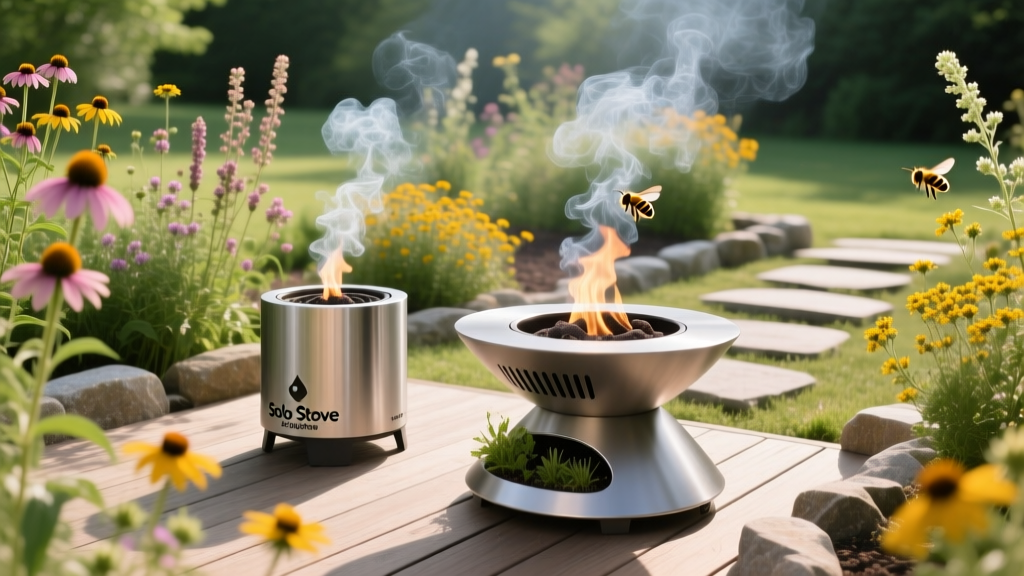
Solo Stove vs Breeo 2026: Best Fire Pit for Pollinator Gardens
Sarah ChenPublished
The Intersection of Hardscaping and Pollinator Health
As we navigate the outdoor living trends of 2026, the modern backyard is no longer just an extension of the home; it is a vital micro-ecosystem. Homeowners are increasingly bridging the gap between high-end outdoor entertainment and ecological stewardship. One of the most popular hardscape additions to any garden is the smokeless fire pit. However, when designing a pollinator-friendly landscape, every element—from the heat radius to the soil chemistry—must be carefully considered. Choosing between the industry leaders, Solo Stove and Breeo, requires looking beyond human comfort and examining how these units interact with the native bees, butterflies, and moths that rely on our garden habitats.
Integrating a fire feature into a pollinator garden is entirely possible, but it demands an understanding of secondary combustion technology, radiant heat dispersal, and the biological needs of local wildlife. In this comprehensive 2026 guide, we compare the Solo Stove Bonfire 2.0 and the Breeo X Series 24 specifically through the lens of eco-conscious garden design, helping you create a stunning outdoor living space that respects and protects your local pollinator populations.
Why 'Smokeless' Matters for Pollinator Olfactory Receptors
Before diving into the brand comparison, it is crucial to understand why 'smokeless' technology is a non-negotiable feature for eco-friendly gardens. Traditional wood fires release thick plumes of particulate matter (PM2.5) and volatile organic compounds (VOCs). According to the Environmental Protection Agency (EPA), wood smoke contains a complex mixture of gases and micro-particles that degrade local air quality. But the impact extends far beyond human lungs.
Recent entomological studies have shown that wood smoke actively masks floral volatiles—the chemical scent trails that flowers emit to attract pollinators. Nocturnal pollinators, such as hawk moths and native bats, rely heavily on these olfactory cues to locate nectar sources in the dark. A traditional, smoky fire pit can create an olfactory 'dead zone' in your garden, disorienting these crucial creatures and disrupting their foraging cycles. Both Solo Stove and Breeo utilize patented double-wall, secondary combustion designs that burn off the smoke before it escapes the vessel. By virtually eliminating particulate smoke, these 2026 smokeless models ensure that the evening air remains clear, allowing nocturnal pollinators to navigate your garden unimpeded.
Solo Stove vs. Breeo: 2026 Smokeless Fire Pit Showdown
When selecting a fire pit for a garden perimeter, you are generally choosing between the lightweight, portable stainless steel design of the Solo Stove and the heavy-duty, permanent-installation aesthetic of the Breeo. Below is a breakdown of how the top 2026 models compare for garden integration.
| Feature | Solo Stove Bonfire 2.0 | Breeo X Series 24 |
|---|---|---|
| Primary Material | 304 Stainless Steel | Corten Steel or 304 Stainless |
| 2026 Base Price | $299.00 | $599.00 |
| Weight | 41 lbs | 48 lbs |
| Ash Management | Removable Ash Pan | Built-in Ash Removal Tool |
| Heat Dispersal | Directional (Upward) | Radiant (Outward & Upward) |
| Garden Placement | Flexible / Portable | Permanent Hardscape Anchor |
The Solo Stove Bonfire 2.0: Flexibility for Seasonal Gardens
The Solo Stove Bonfire 2.0 remains a top choice for gardeners who practice seasonal hardscaping. Because it is lightweight and features a removable ash pan, it can be moved to different patio zones depending on the blooming season. If you have a delicate patch of spring-blooming native columbines, you can easily relocate the Solo Stove to a stone pad further away, ensuring the heat and foot traffic do not compact the soil around the root zones.
The Breeo X Series 24: The Corten Steel Hardscape Anchor
Breeo’s X Series 24 is designed to be a permanent fixture. The Corten steel option develops a beautiful, protective rust patina that blends seamlessly into naturalistic, prairie-style pollinator gardens. However, because it is heavy and meant to stay in one place, it requires careful upfront planning regarding its proximity to your garden beds.
Heat Radius and Protecting Native Nectar Sources
One of the most critical factors in placing a fire pit near a pollinator habitat is the heat radius. Native plants like Purple Coneflower (*Echinacea purpurea*), Butterfly Weed (*Asclepias tuberosa*), and New England Aster (*Symphyotrichum novae-angliae*) are resilient, but they are not immune to radiant heat scorch.
The Breeo X Series 24, constructed from thick Corten steel, absorbs and radiates heat outward in a wide circumference. While this is fantastic for warming guests on a chilly autumn evening, it can be detrimental to nearby foliage. If placed too close to a garden bed, the radiant heat can desiccate the leaves of nearby nectar sources and bake the soil, destroying the subterranean nesting habitats of native ground-dwelling bees, such as sweat bees and mining bees.
Actionable Advice: When installing a Breeo X24, maintain a minimum 10-foot buffer zone between the fire pit and your nearest pollinator plantings. Use permeable pavers or crushed gravel for this buffer. Permeable hardscaping allows rainwater to penetrate the soil, maintaining the hydrology required by deep-rooted native prairie plants, while providing a safe thermal barrier.
The Solo Stove Bonfire 2.0, by contrast, directs most of its heat upward due to its thinner stainless steel walls and aggressive updraft ventilation. This makes it slightly safer for tighter spaces, provided the overhead clearance is managed. However, the soil directly beneath and immediately adjacent to the Solo Stove will still experience thermal transfer, so a raised fire pit stand or a bed of lava rocks is highly recommended to protect soil-dwelling insect larvae.
The Wood Ash Dilemma: Soil pH and Pollinator Habitats
A frequently overlooked aspect of fire pit ownership in a garden setting is wood ash management. Wood ash is highly alkaline and rich in calcium carbonate. While this can be beneficial for raising the pH of highly acidic soils, it is a massive threat to many native pollinator plants that thrive in slightly acidic to neutral soils.
According to the Xerces Society for Invertebrate Conservation, preserving native host plants is the cornerstone of pollinator conservation. Many native plants that attract specialist bees—such as Lupines, Blueberries, and Azaleas—require acidic soil. Dumping fire pit ash into your garden beds will rapidly spike the soil pH, locking out essential nutrients like iron and manganese, ultimately killing the host plants that local butterfly and bee populations rely upon for reproduction and foraging.
Ash Removal: Solo Stove vs. Breeo
In 2026, both brands have refined their ash management systems to make eco-friendly disposal easier. The Solo Stove Bonfire 2.0 features a removable ash pan that slides out from the base, allowing you to easily transfer cold ash into a dedicated compost bin or municipal green waste receptacle. Breeo’s X Series utilizes a specialized ash removal tool that sweeps the ash through a bottom grate into a catchment area. Both systems are highly effective, but the golden rule for the eco-conscious gardener remains: never dump wood ash directly into your native pollinator beds. Instead, compost it heavily with acidic organic matter like pine needles or oak leaves, or dispose of it off-site.
Ambient Lighting and Nocturnal Pollinator Protection
A fire pit provides beautiful, warm, ambient light. However, when entertaining outdoors, homeowners often supplement this with harsh, bright-white LED pathway or patio lights. Light pollution is a severe disruptor of nocturnal pollinators. Moths, which are responsible for pollinating a vast array of native night-blooming flora, are easily disoriented by high-lumen, cool-toned lighting, leading to exhaustion and increased predation.
To maintain a pollinator-friendly environment around your Solo Stove or Breeo fire pit, rely on the fire's natural glow as much as possible. When supplemental lighting is necessary for safety, opt for low-lumen, amber or red-toned LED fixtures placed low to the ground. The National Wildlife Federation recommends minimizing outdoor lighting to protect local wildlife corridors. Amber lights do not interfere with the navigational systems of nocturnal insects, allowing your garden to function as a thriving ecosystem long after the sun goes down.
Final Verdict for the Eco-Conscious Gardener
Choosing between the Solo Stove and Breeo in 2026 ultimately depends on your garden's layout and your hardscaping philosophy. If you have a smaller, dynamic pollinator garden where you frequently rotate plantings and need the flexibility to move your fire feature to protect sensitive root zones and soil habitats, the Solo Stove Bonfire 2.0 is the superior, budget-friendly choice. Its upward heat projection and removable ash pan make it a low-impact addition to an active garden space.
Conversely, if you are designing a large-scale, permanent prairie restoration or a sprawling meadow garden and want a focal point that blends naturally into the landscape, the Breeo X Series 24 in Corten steel is unmatched. Its heavy-duty construction and natural rust patina complement the wild aesthetics of a native garden, provided you respect the 10-foot thermal buffer zone to protect your nectar sources and ground-nesting bees.
By prioritizing smokeless combustion, managing wood ash responsibly, and respecting the thermal and olfactory needs of local wildlife, you can enjoy the warmth and ambiance of a premium fire pit without sacrificing the ecological integrity of your pollinator sanctuary. In 2026, true luxury in outdoor living is defined by how harmoniously we can coexist with the natural world right in our own backyards.
