Home & Garden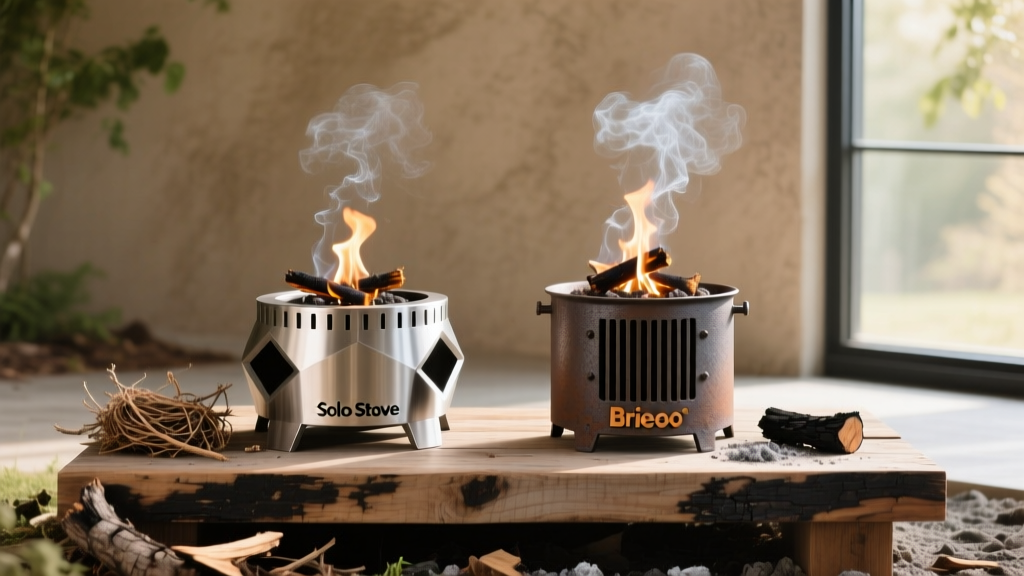
Solo Stove vs Breeo 2026: Best Fire Pit for Web Worm Debris
David ParkPublished
The Intersection of Tree Web Worm Control and Outdoor Living
As we navigate the 2026 landscaping season, homeowners are increasingly seeking ways to maintain pristine outdoor living spaces while managing persistent pests. One of the most unsightly and frustrating invaders of deciduous trees is the fall webworm (Hyphantria cunea). These caterpillars construct massive, silken tents in the canopies of hickory, pecan, walnut, and sweetgum trees, causing severe aesthetic damage and dropping frass onto patios and outdoor furniture. While chemical interventions exist, the gold standard for eco-friendly tree web worm control is physical removal: pruning the infested branches and destroying the nests. However, disposal presents a unique challenge. Tossing live nests into municipal green waste risks spreading the infestation, and composting fails to generate enough heat to kill the pupae. This is where high-efficiency, smokeless fire pits step in as the ultimate dual-purpose tool for yard waste incineration and patio ambiance.
Why Incineration is the Superior Disposal Method
When you prune a branch heavily infested with webworms, you are holding a concentrated bundle of larvae, webbing, and potential overwintering pupae. According to the Penn State Extension, physically removing and destroying the nests is the most effective way to protect the tree without harming beneficial predator insects. But how do you destroy them safely? Traditional burn barrels are increasingly banned by local municipalities and HOAs in 2026 due to particulate pollution and smoke nuisance. Furthermore, burning damp or green yard waste in an open pit creates a choking, smoky mess that ruins your evening. Modern smokeless fire pits utilize advanced secondary combustion technology to burn wood—and pruned yard debris—at incredibly high temperatures with virtually zero visible smoke, making them the perfect solution for localized pest debris disposal.
Solo Stove vs. Breeo: The 2026 Smokeless Showdown
When it comes to outfitting your patio with a smokeless fire pit capable of handling the rigors of yard waste disposal, two brands dominate the 2026 market: Solo Stove and Breeo. Both utilize a double-wall, secondary combustion design, but their engineering philosophies differ significantly. Let us break down how the Solo Stove Yukon 2.0 and the Breeo X Series 24 compare when tasked with burning tree web worm nests and pruned branches.
Burn Efficiency and Temperature
To effectively destroy webworm pupae and the tough, fire-resistant silken webbing they produce, you need sustained, intense heat. The Solo Stove Yukon 2.0 relies on a highly optimized, lightweight 304 stainless steel design with massive bottom intake vents. This creates a powerful updraft, feeding oxygen to the fire base and igniting the smoke particles through the top rim holes. It excels at creating a rapid, incredibly hot fire that turns dry yard waste to ash in record time. The Breeo X Series 24, on the other hand, is constructed from thick Corten steel or stainless steel. While it takes slightly longer to heat up due to the mass of the metal, its patented airflow system and thicker walls retain heat longer, allowing it to slowly bake and incinerate slightly damp or green branches that often accompany freshly pruned webworm nests.
Managing Green Wood and Resinous Debris
Tree web worm control often requires pruning live branches, meaning your fuel source will contain green wood, sap, and moisture. Green wood is notorious for creating thick, acrid smoke. The University of Minnesota Extension notes that removing nests early in the season prevents defoliation, but early season pruning means dealing with high sap content. The Breeo X Series 24 has a distinct advantage here. Its heavy-duty build and optional Outpost grill attachments allow you to manage flare-ups and trap heat, effectively roasting the moisture out of green branches before they have a chance to smoke out your patio. The Solo Stove, while brilliant with seasoned cordwood, can struggle with heavy green debris, occasionally producing smoke until the core temperature rises high enough to achieve secondary combustion.
2026 Feature Comparison Table
| Feature | Solo Stove Yukon 2.0 | Breeo X Series 24 |
|---|---|---|
| Primary Material | 304 Stainless Steel | Corten Steel or 304 Stainless |
| Base Diameter | 27 Inches | 24 Inches (Interior) |
| Weight | 38 lbs | 94 lbs |
| 2026 Est. Base Price | $399 | $599 |
| Ash Cleanup | Removable Ash Pan (Sold Separately) | Integrated Ash Disposal Tool |
| Best For Web Worm Debris | Dry, brittle nests and small twigs | Green branches, heavy sapwood, large nests |
Step-by-Step Guide to Burning Web Worm Nests Safely
Successfully utilizing a smokeless fire pit for pest control requires a strategic approach to loading and burning. Follow these steps to ensure complete eradication of the webworms without triggering the smokeless technology to fail.
- Step 1: Precision Pruning. Using a sterilized pole saw, cut the infested branch at least six inches below the lowest point of the silken webbing. As highlighted by University of Kentucky Entomology, ensuring you capture the entire nest prevents larvae from simply migrating back up the trunk.
- Step 2: The Base Layer. Start your fire pit with dry, seasoned hardwood kindling and a natural fire starter. You must establish a robust, hot coal bed before introducing the pest-infested debris. The secondary combustion rings on both the Solo Stove and Breeo require high ambient heat to function properly.
- Step 3: Strategic Loading. Once the base fire is hot and smokeless, carefully add the pruned webworm branches. Do not overload the pit. Overcrowding restricts the oxygen flow necessary for the updraft that eliminates smoke. Feed the branches in gradually.
- Step 4: The Burn Down. Allow the fire to burn completely down to a fine, white-grey ash. The intense heat of the coal bed will incinerate the tough silk webbing and destroy any eggs or pupae hidden within the leaf litter.
- Step 5: Safe Ash Disposal. Wait 24 hours for the pit to cool completely. Wood ash is rich in potassium and calcium carbonate. If you have not applied synthetic chemical pesticides to the infested trees, this ash can be safely scattered in acidic garden beds to raise the soil pH.
Final Verdict for the 2026 Landscaping Season
Choosing between the Solo Stove and Breeo for tree web worm control ultimately depends on your specific yard maintenance habits. If you prioritize portability, rapid heat generation, and primarily burn dry, brittle autumn nests, the Solo Stove Yukon 2.0 remains a phenomenal, budget-friendly choice that keeps your patio smoke-free. However, if your web worm control strategy involves heavy pruning of live, sap-filled branches early in the season, the Breeo X Series 24 is the undisputed champion. Its heavy-gauge steel construction and superior heat retention allow it to chew through damp yard waste with minimal smoke, turning a frustrating pest control chore into a luxurious evening fireside experience. By integrating a high-end smokeless fire pit into your garden maintenance routine, you bridge the gap between rigorous horticultural hygiene and premium outdoor living.
