Home & Garden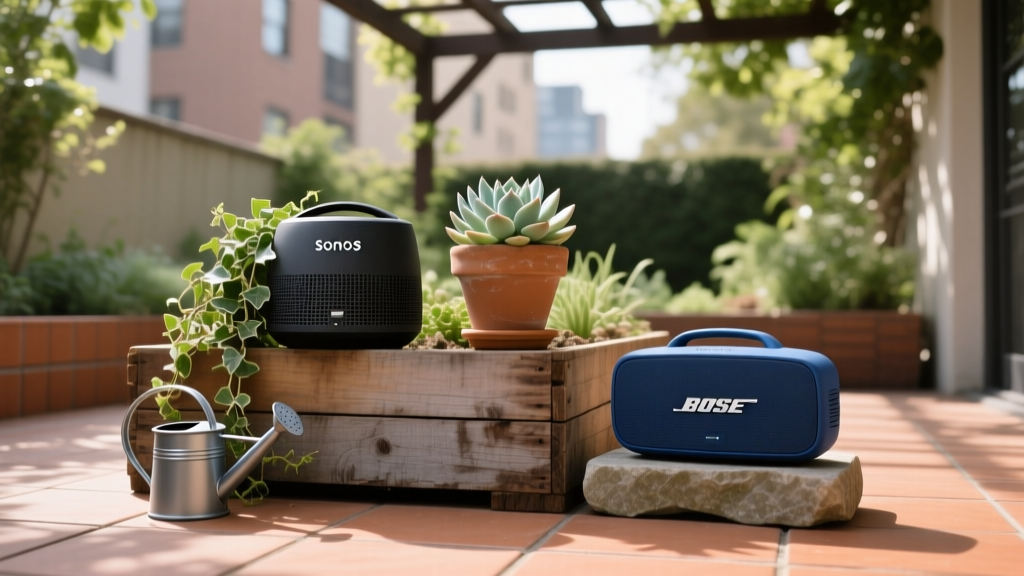
Sonos Move vs Bose SoundLink Flex: 2026 Container Garden Setup
Lisa ThompsonPublished
The Intersection of High-Fidelity Audio and Container Gardening
As outdoor living spaces continue to evolve in 2026, the modern patio is no longer just a place to sit; it is a curated botanical sanctuary. For enthusiasts of container and pot gardening, the patio is a dynamic landscape of terracotta, glazed ceramic, and sprawling foliage. However, integrating premium outdoor audio into these lush, heavily potted environments presents a unique set of acoustic and environmental challenges. Today, we are diving deep into a highly requested comparison: the Sonos Move (specifically the current Move 2 generation) versus the Bose SoundLink Flex, analyzed strictly through the lens of container garden integration.
When you surround your seating area with large planters filled with Monstera, ornamental grasses, and dwarf citrus trees, you are fundamentally altering the acoustic profile of your outdoor space. Foliage absorbs high frequencies, while hard ceramic pots create reflective sound baffles. Furthermore, the messy reality of container gardening—fertilizer runoff, soil splatter, and aggressive watering routines—demands that your tech can survive the elements. Let us explore how these two audio titans perform among the pots and planters this year.
2026 Specs at a Glance: Sonos Move vs. Bose SoundLink Flex
Before we discuss placement among your prized hydrangeas and snake plants, it is crucial to understand the physical footprint and environmental tolerances of both speakers. The Sonos Move is a premium, heavyweight powerhouse designed for spatial audio, while the Bose SoundLink Flex is a rugged, ultra-portable unit built for rough-and-tumble outdoor excursions.
| Feature | Sonos Move (Current Gen) | Bose SoundLink Flex |
|---|---|---|
| Approximate 2026 Price | $399 | $149 |
| Weight | 6.6 lbs (3.0 kg) | 1.3 lbs (0.59 kg) |
| Water/Dust Resistance | IP56 (Dust tight, heavy splashes) | IP67 (Dust tight, submersible) |
| Battery Life | Up to 24 hours | Up to 12 hours |
| Acoustic Profile | Stereo separation, deep bass, spatial | Omni-directional, punchy midrange |
| Ideal Garden Placement | Large planter pedestals, dining tables | Hanging from pot hooks, shelf edges |
Acoustic Botany: How Your Plants Shape the Sound
Container gardening is an art of spatial arrangement, but it is also an exercise in acoustic landscaping. According to principles of environmental acoustics, broadleaf tropicals like the Monstera deliciosa or the Alocasia act as natural sound diffusers. Their large, waxy leaves scatter high-frequency sounds, which can make bright, treble-heavy audio systems sound muddy if placed directly behind them.
The Sonos Move Advantage in Foliage
The Sonos Move utilizes advanced digital signal processing (DSP) and Trueplay tuning to adapt to its surroundings. When placed on a sturdy stone pedestal nestled between two large terracotta pots filled with dense ferns, the Move's outward-facing tweeters and mid-woofers push sound through the foliage gaps with remarkable clarity. Its auto-tuning feature actively compensates for the acoustic dampening caused by wet soil and dense leaves, ensuring your jazz or classical playlists retain their crispness even when surrounded by a jungle of potted hostas.
The Bose SoundLink Flex and Directional Audio
Bose employs its proprietary PositionIQ technology, which detects the orientation of the speaker and adjusts the EQ accordingly. If you hang the SoundLink Flex from the rim of a suspended macrame planter or place it on its side next to a row of potted ornamental grasses, the speaker shifts to a more focused, directional sound profile. This is incredibly useful in container gardens where you want to project audio across a narrow balcony garden without bouncing sound off the neighbor's brick wall.
Strategic Placement: Pairing Speakers with Planters
One of the most common mistakes patio gardeners make is placing expensive electronics directly on the soil surface of a large pot or on a low saucer. This invites pest interference, soil-borne moisture damage, and accidental knock-overs during pruning. Here is how to properly stage both speakers in your 2026 container layout.
Elevation and Resonance
Hard surfaces like glazed ceramic and concrete planters reflect bass frequencies. If you place a speaker directly on the rim of a large, empty or soil-filled ceramic pot, the pot itself can act as a resonant chamber, creating an unnatural, booming bass response.
- For the Sonos Move: Place the speaker on a dedicated wooden or composite plant stand adjacent to your largest anchor pots (like a potted Japanese Maple). The wood absorbs excess bass vibration, while the speaker's downward-firing bass driver utilizes the patio floor for grounded low-end response.
- For the Bose Flex: Utilize the built-in utility loop. Clip it to a sturdy shepherd's hook placed in the center of a raised cedar planter box. Elevating the Bose Flex above the soil line prevents moisture wicking and allows its omnidirectional drivers to cast sound evenly over low-lying succulents and trailing petunias.
Watering Safety: Protecting Tech from Soil and Splatter
Container gardening requires rigorous watering schedules, especially during the peak of summer. Hand-watering with a wand or utilizing automated drip irrigation systems inevitably leads to splashing, runoff, and high ambient humidity. Understanding the IP (Ingress Protection) ratings of your speakers is vital for protecting your investment.
The Bose SoundLink Flex boasts an IP67 rating, meaning it is completely dust-tight and can withstand being submerged in shallow water. If you accidentally knock the Bose off a patio table and into a large, water-filled saucer beneath your potted citrus tree, it will survive without issue. It is also easily washable; if it gets splattered with muddy potting mix or liquid fertilizer, you can simply rinse it off under the garden hose.
The Sonos Move, conversely, carries an IP56 rating. While it is highly resistant to heavy splashes and rain, it is not designed for submersion. The Penn State Extension guidelines on container watering emphasize the importance of deep, thorough soaking until water runs freely from drainage holes. If your Sonos Move is sitting on the ground near the drainage zone of a large planter, the pooling water and mud splatter could compromise the charging ring or the USB-C port. Always elevate the Sonos Move at least 18 inches off the ground when active watering or drip-line flushing is occurring.
Smart Home Integration for the Modern Gardener
In 2026, the smart garden is fully realized, and your audio setup should communicate seamlessly with your horticultural tech. Both speakers offer robust app ecosystems, but they integrate differently with outdoor smart home routines.
Sonos and the Irrigation Routine
The Sonos app excels in multi-room and multi-zone routines. If you utilize a smart irrigation controller for your patio drip lines, you can program a 'Watering Routine' in your smart home hub. When the drip lines activate to deeply water your potted tomatoes and peppers, the Sonos system can automatically pause the music in the patio zone to prevent the sound of water pressure from clashing with your audio, or switch to a specialized 'Nature Sounds' playlist that complements the ambiance of the watering cycle.
Bose and the Portable Gardener
The Bose Music app is streamlined and focuses on quick, portable connections. For the gardener who moves from the front porch containers to the back patio raised beds, the Bose Flex's ability to remember multiple Bluetooth connections and quickly switch between your phone and your gardening tablet is invaluable. You can easily follow along with a 2026 container pruning tutorial on your tablet while the Flex provides clear, loud audio over the sound of your shears and the rustling of dry leaves.
Final Verdict: Which Speaker Belongs in Your Garden?
Choosing between the Sonos Move and the Bose SoundLink Flex ultimately depends on your specific container gardening lifestyle and patio layout.
Choose the Sonos Move if: You have a permanent, curated container garden on a spacious patio or deck. You prefer high-fidelity, stereo-like spatial audio for dinner parties surrounded by large architectural planters. You are willing to invest in proper elevation (like stone pedestals or teak risers) to protect the speaker from soil runoff and pooling water, and you value deep smart-home integration with your outdoor lighting and irrigation systems.
Choose the Bose SoundLink Flex if: You are an active, hands-on gardener who frequently rearranges pots, repots plants on the patio table, and utilizes overhead hanging planters. You need a rugged, fully submersible speaker that can take a direct hit from a garden hose, survive a fall into a muddy saucer, and be easily clipped to various garden structures. It is the ultimate utilitarian companion for the messy, joyful reality of hands-in-the-dirt container gardening.
By understanding how foliage dampens sound, how ceramic pots reflect bass, and how your watering routines impact tech safety, you can seamlessly blend premium audio into your botanical oasis, ensuring your 2026 garden sounds as beautiful as it looks.
