Home & Garden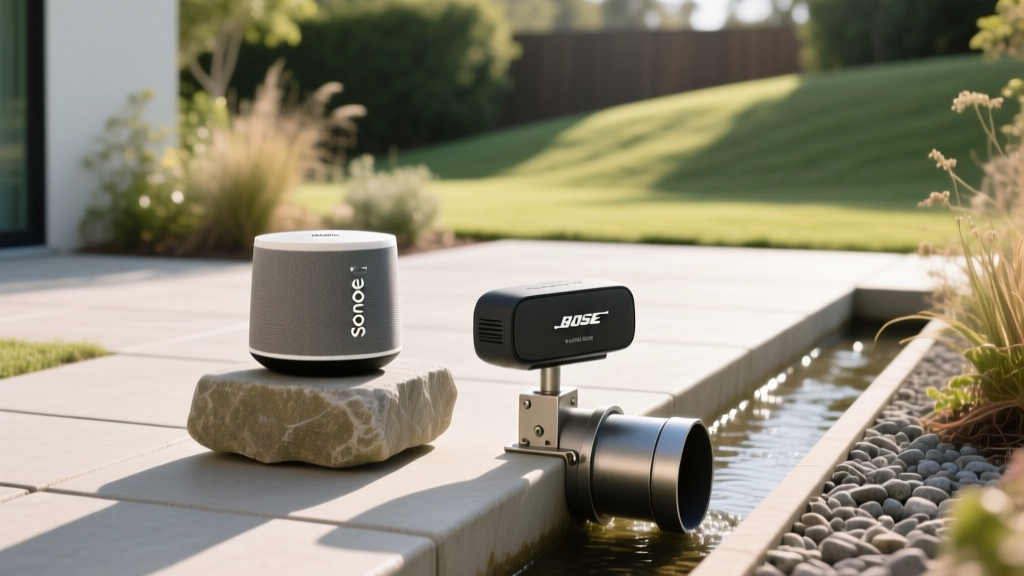
2026 Sonos Move vs Bose Flex Setup Near Drainage Pipes
James MillerPublished
The Intersection of High-Fidelity Audio and Yard Hydrology
As we move through the 2026 outdoor living season, homeowners are increasingly blending premium smart home audio with complex landscape architecture. Two of the most popular portable outdoor speakers on the market are the Sonos Move 2 and the Bose SoundLink Flex. Both deliver exceptional sound for patio gatherings, garden parties, and poolside relaxation. However, when integrating these devices into a yard that relies on a robust landscape drainage pipe network, setup and placement become critical. Water management systems—including French drains, catch basins, and corrugated daylighting pipes—are designed to move massive volumes of water away from your home. If your outdoor audio gear is placed in the splash zone of a drainage exit, even the best weatherproofing can be compromised by mud, debris, and localized flooding. This comprehensive guide explores the Sonos Move vs. Bose SoundLink Flex setup, specifically focusing on how to protect your investment from the hidden hazards of landscape drainage infrastructure.
Sonos Move 2 vs. Bose SoundLink Flex: 2026 Specifications
Before diving into drainage dynamics, it is essential to understand the hardware we are working with. The Sonos Move 2 is a premium, WiFi-and-Bluetooth-enabled powerhouse designed for high-fidelity stereo sound and seamless multi-room integration. The Bose SoundLink Flex, on the other hand, is a rugged, ultra-portable Bluetooth speaker built for extreme outdoor conditions. Below is a detailed comparison of their 2026 specifications, with a specific focus on environmental durability.
| Feature | Sonos Move 2 | Bose SoundLink Flex |
|---|---|---|
| IP Rating | IP56 (Dust & Heavy Splashes) | IP67 (Dustproof & Submersible) |
| Battery Life | Up to 24 Hours | Up to 12 Hours |
| Connectivity | WiFi 6, Bluetooth 5.3, AirPlay 2 | Bluetooth 5.3 |
| Weight | 6.6 lbs (3.0 kg) | 1.3 lbs (0.59 kg) |
| Mud & Debris Resistance | Moderate (Requires careful wiping) | High (Can be rinsed with a hose) |
| 2026 Retail Price | ~$399 | ~$149 |
The Hidden Hazard: Landscape Drainage Pipes and Runoff
When planning your outdoor speaker setup, most people look up to check for roof overhangs or tree branches. Rarely do they look down at the ground-level water management systems. According to University of Minnesota Extension guidelines on yard drainage, a properly graded landscape relies on a network of subsurface pipes to prevent soil erosion and foundation damage. During a heavy spring or summer storm, these systems are pushed to their limits.
Understanding Corrugated Pipe Exits and Splash Zones
The most common residential drainage solution involves 4-inch corrugated HDPE (High-Density Polyethylene) pipes that collect water from downspouts and NDS catch basins, routing it to a "daylight" exit at the edge of the property. When water exits a daylighted drainage pipe, it carries significant kinetic energy. This creates a splash zone that can extend several feet, spraying mud, silt, and organic debris onto nearby surfaces. If your Sonos Move 2 is sitting on a low garden wall near this exit, the acoustic grille can quickly become caked in wet mud. Because the Sonos Move 2 carries an IP56 rating, it can handle heavy rain and splashes, but it is not designed to be submerged or blasted with a high-pressure hose to clean off dried mud. For a deeper understanding of how ingress protection works in outdoor environments, the SoundGuys IP Rating Guide provides an excellent breakdown of why dust and mud particles can be just as damaging as water.
French Drains and Gravel Trenches
French drains utilize a perforated pipe wrapped in filter fabric, buried in a gravel trench. While they are excellent for managing subsurface water, the gravel surface can harbor moisture long after a storm has passed. Placing a speaker directly on the gravel of a French drain trench exposes the device to constant upward humidity and potential capillary action, which can degrade the rubberized seals on the charging ports over time.
Strategic Setup: Protecting Your Gear from Drainage Runoff
To successfully run an outdoor audio system in a yard with aggressive drainage infrastructure, you must elevate and isolate your speakers. Here is a step-by-step setup guide tailored for both the Sonos Move and the Bose SoundLink Flex.
Step 1: Map Your Daylight Exits and Pop-Up Emitters
Before placing any audio equipment, walk your property during a heavy rainstorm or run a hose into your catch basins. Identify exactly where your landscape drainage pipes discharge. Note the direction of the water flow and the radius of the splash zone. Mark these areas as "Red Zones" where no low-level speaker placement is permitted.
Step 2: Elevation and Hardscape Integration
- For the Sonos Move 2: Due to its larger footprint and IP56 rating, the Sonos Move 2 should be placed on elevated hardscaping. Use retaining wall caps, raised patio tables, or mounted shelf brackets attached to your home's exterior. Ensure the speaker is at least 3 feet above the nearest drainage pipe exit or gravel French drain bed to completely avoid mud splatter.
- For the Bose SoundLink Flex: The Bose Flex is incredibly versatile thanks to its IP67 rating and built-in carabiner loop. You can hang it from a shepherd's hook, a pergola beam, or the branch of a sturdy tree well away from the ground. If it does end up in the path of a drainage pipe overflow, the IP67 rating means you can simply pick it up, walk it to your outdoor spigot, and rinse the mud off without fear of internal water damage.
Step 3: Utilize Splash Blocks and Drainage Extensions
If you must have audio near a drainage zone, modify the drainage infrastructure itself. Attach a rigid PVC extension or a heavy-duty resin splash block to the end of your corrugated pipe. This will channel the runoff smoothly away from the speaker's location, reducing the turbulent splashing that causes mud spray. As recommended by Rain Bird's landscape drainage best practices, ensuring a smooth, unobstructed exit for your drainage pipes prevents the backup and pooling that threatens outdoor electronics.
Smart Home Integration: Moisture Sensors and Audio Automation
In 2026, smart home ecosystems powered by the Matter protocol make it easier than ever to protect your outdoor investments. You can integrate your landscape drainage monitoring with your audio setup using smart moisture and flood sensors.
Automating Speaker Safety
Place a Matter-compatible smart water leak sensor inside your primary NDS catch basin or right next to the daylight exit of your main drainage pipe. Connect this sensor to your smart home hub (such as Apple HomeKit, Home Assistant, or Amazon Alexa). You can create an automation rule: if the sensor detects standing water for more than five minutes (indicating a clogged drainage pipe or an overwhelmed system), the hub sends a high-priority alert to your phone reminding you to retrieve your Sonos Move 2 from the lower patio. Furthermore, if you are using a smart outdoor plug for any auxiliary audio equipment, the automation can instantly cut power to prevent short circuits in flooded zones.
Pro Tip for 2026: Never leave your Sonos Move 2 on the ground overnight, even if the weather forecast is clear. Subsurface drainage pipes can sometimes back up due to municipal sewer line issues or sudden groundwater table rises, leading to unexpected surface pooling that can easily breach an IP56 seal.
Acoustic Considerations Near Gravel and Water
Beyond physical protection, landscape drainage features actually impact sound quality. Gravel trenches and large bodies of standing water act as acoustic reflectors. The Bose SoundLink Flex features PositionIQ technology, which automatically adjusts the EQ depending on whether the speaker is standing upright, hanging, or laid flat. When hanging the Flex near a reflective drainage swale or a stone-lined catch basin, PositionIQ helps mitigate the harsh high-frequency echoes that bounce off wet rocks and water. The Sonos Move 2 utilizes Trueplay tuning, which uses the microphone array to analyze the environment. If you place the Sonos near a large, flat splash block or a concrete drainage channel, run Trueplay to ensure the bass response isn't artificially inflated by the hard, reflective surfaces of your water management system.
Conclusion: Harmonizing Audio and Infrastructure
Choosing between the Sonos Move 2 and the Bose SoundLink Flex for your outdoor setup ultimately depends on how your landscape manages water. If your yard features aggressive, ground-level corrugated drainage pipe exits, frequent mud splatter, and localized pooling, the rugged, submersible, and easily rinseable Bose SoundLink Flex is the undisputed champion of the drainage zone. However, if you have the ability to elevate your audio gear on raised hardscaping, safely above the splash zones of your French drains and catch basins, the Sonos Move 2 will reward you with superior, room-filling stereo sound and seamless WiFi integration. By respecting the hydrology of your yard and mapping your drainage pipe exits before placing your gear, you can enjoy pristine, uninterrupted audio all season long, regardless of what the weather—or your subsurface irrigation and drainage network—throws your way.
