Home & Garden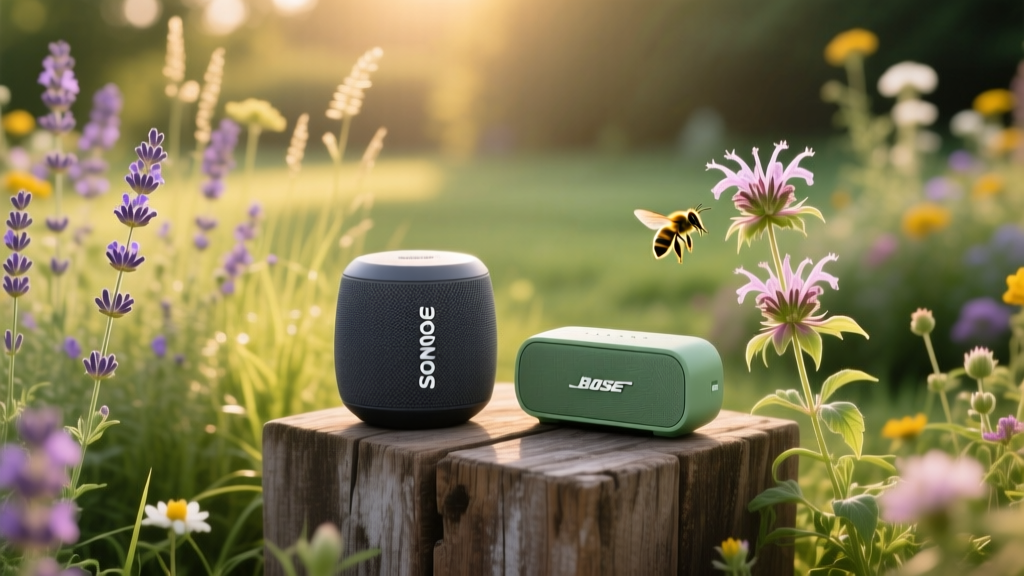
2026 Pollinator Garden Audio: Sonos Move vs Bose Flex
Anna KowalskiPublished
The Intersection of Outdoor Audio and Pollinator Health
As we embrace the 2026 gardening season, the modern outdoor living space is no longer just about patios and fire pits; it is about creating a thriving, biodiverse ecosystem right in our backyards. For the eco-conscious homeowner, blending smart home technology with native landscaping requires a delicate balance. You want to enjoy your favorite playlists while tending to your coneflowers and milkweed, but you also need to ensure that your outdoor entertainment does not disrupt the vital work of local pollinators. This brings us to a unique but highly relevant debate for the modern gardener: how do you integrate premium outdoor audio without harming your local bee and butterfly populations?
In this comprehensive guide, we are comparing two of the most popular portable outdoor speakers on the market—the Sonos Move (Gen 2) and the Bose SoundLink Flex—specifically through the lens of pollinator-friendly garden design. We will explore acoustic ecology, strategic speaker placement, and smart scheduling to ensure your garden remains a sanctuary for wildlife while delivering exceptional sound for your garden-to-table dinner parties.
Sonos Move vs. Bose SoundLink Flex: 2026 Feature Comparison
Before diving into the ecological impact of outdoor audio, it is essential to understand the hardware we are working with. Both speakers have received firmware updates and hardware refinements leading into 2026, making them more durable and efficient than ever. Below is a structured comparison of their core specifications and how they relate to outdoor garden use.
| Feature | Sonos Move (Gen 2) | Bose SoundLink Flex |
|---|---|---|
| 2026 Retail Price | $399 | $149 |
| IP Rating (Dust/Water) | IP56 (Protected against dust & heavy jets) | IP67 (Dust-tight & submersible up to 1m) |
| Battery Life | Up to 24 Hours | Up to 12 Hours |
| Connectivity | Wi-Fi & Bluetooth | Bluetooth Only |
| Weight & Form Factor | 6.6 lbs (Heavy, cylindrical base) | 1.3 lbs (Light, built-in silicone loop) |
| Acoustic Tuning | Auto Trueplay (Adapts to open spaces) | PositionIQ (Adjusts based on orientation) |
| Best Eco-Placement | Hardscapes, Stone Patios, Decks | Hanging from Pergolas, Shepherd's Hooks |
The Science of Sound: How Audio Affects Bees and Butterflies
To design a truly pollinator-friendly garden, we must first understand how these insects perceive the world. Unlike humans, bees do not have ears. Instead, they detect sound and vibrations through a specialized structure in their legs called the subgenual organ. This organ is highly sensitive to substrate-borne vibrations—meaning they feel the bass and low-frequency thumping of music through the surfaces they stand on.
According to the Xerces Society for Invertebrate Conservation, preserving undisturbed ground and natural habitats is critical for pollinator survival. Approximately 70% of native bee species, including mining bees and sweat bees, are ground-nesters. They dig small tunnels in bare or sparsely vegetated soil to lay their eggs. If you place a heavy, bass-producing speaker like the 6.6-pound Sonos Move directly on the soil or a thin layer of mulch near these nesting sites, the low-frequency vibrations can mimic the footsteps of predators or disrupt the delicate structural integrity of their underground nurseries. This can cause stress, abandonments, or collapsed tunnels.
Butterflies, on the other hand, utilize the Johnston's organ located in their antennae to detect air-borne vibrations and wind changes. While they are less affected by ground vibrations, extremely loud, high-frequency audio or aggressive bass drops near their primary nectar sources can startle them, interrupting their feeding and mating behaviors. Therefore, volume control and speaker orientation are just as important as the physical location of the device.
Strategic Speaker Placement in Native Landscapes
Integrating technology into a wild, native garden requires intentional placement. The goal is to elevate the audio experience for humans while keeping the physical hardware out of the critical zones used by wildlife.
Managing the Sonos Move on Hardscapes
The Sonos Move is an acoustic powerhouse, utilizing dual woofers that push significant air and generate deep bass. Because of its weight and acoustic profile, the Move should never be placed directly on garden soil, mulch, or near the bare dirt patches you have intentionally left for ground-nesting bees. The Penn State Extension strongly recommends leaving undisturbed, unmulched patches of soil in sunny areas to support native bee populations. Keep your Sonos Move strictly on hardscapes—such as stone patios, raised wooden decks, or concrete retaining walls. The Auto Trueplay feature will automatically tune the speaker's output to the open environment of your patio, ensuring you get rich, full sound without needing to crank the volume to levels that might disturb the garden beds.
Elevating the Bose SoundLink Flex
The Bose SoundLink Flex is the clear winner for integration directly into the garden beds, thanks to its rugged IP67 rating and built-in silicone utility loop. Rather than setting it on a garden bench or a stump, use the loop to hang the speaker from a pergola beam, a sturdy tree branch, or a metal shepherd's hook positioned at least four feet off the ground. By elevating the Bose Flex, you allow the PositionIQ technology to optimize the sound projection downward toward your seating area, while keeping the physical device away from low-flying native bees, ground-level foliage, and the delicate stems of your native wildflowers.
Navigating Water Features and Puddling Zones
Every successful pollinator garden requires a water source. Birdbaths with sloping edges and shallow dishes filled with pebbles allow bees to drink safely without drowning. Additionally, butterflies require 'puddling zones'—small patches of wet mud where they extract essential salts and minerals.
When placing your speakers near these hydration stations, the IP ratings become crucial. The Bose SoundLink Flex boasts an IP67 rating, meaning it is completely dust-tight and can survive being accidentally dropped into a deep birdbath or a muddy puddling zone. If you are hosting a lively garden party and the speaker gets knocked into a water feature, the Bose will survive the plunge, and you won't have to wade into the water and risk crushing the aquatic plants or disturbing the wildlife to retrieve it. The Sonos Move, with its IP56 rating, can handle heavy rain and splashes from a nearby fountain, but it cannot be submerged. Keep the Move safely on your dry patio furniture, well away from the muddy edges of your butterfly puddling zones.
Smart Scheduling and Circadian Rhythms
A truly eco-friendly garden respects the circadian rhythms of its inhabitants. Pollinators are generally most active during the warm, sunny hours of the mid-morning and early afternoon. As dusk approaches, bees return to their nests, and butterflies seek shelter under leaves to roost for the night.
This is where the smart home integration of the Sonos ecosystem shines for the eco-conscious gardener. Using the Sonos app, you can set up automated schedules and sleep timers. Configure your outdoor audio to play only during peak human activity hours—say, from 11:00 AM to 6:00 PM. By programming the speaker to automatically power down and mute as the sun sets, you ensure that the evening hours remain quiet, allowing nocturnal pollinators like moths and certain bat species to navigate and feed without acoustic interference. The National Wildlife Federation emphasizes that minimizing human disturbances, including light and noise pollution, is a cornerstone of creating a certified wildlife habitat. While the Bose SoundLink Flex relies on manual Bluetooth connections and lacks native smart-home scheduling, you can use your smartphone's automated routines to pause your media player at dusk, achieving a similar eco-friendly result.
Camouflage and Aesthetic Integration
Pollinator gardens thrive on natural aesthetics, featuring the chaotic beauty of native grasses, towering Joe-Pye weed, and sprawling groundcovers. A sleek, modern piece of technology can sometimes feel out of place. The Bose SoundLink Flex, available in earthy tones like Stone Blue and Black, can easily be tucked behind a large terracotta pot or hung discreetly in the shadow of a hanging fern. Its compact, fabric-and-silicone design blends much more naturally into a wild garden setting than the towering, glossy silhouette of the Sonos Move. However, if your garden features a modern, minimalist water feature or a structured zen garden adjacent to your pollinator beds, the architectural design of the Sonos Move will complement the hardscaping beautifully.
Final Verdict for the Eco-Conscious Gardener
Choosing between the Sonos Move and the Bose SoundLink Flex for your 2026 pollinator garden ultimately depends on your landscape's layout and your commitment to habitat preservation. If your outdoor living space is centered around a large stone patio or deck that borders your garden beds, the Sonos Move provides superior, room-filling audio that stays safely on hardscapes, away from vulnerable ground-nesting bees. Its smart scheduling features also make it incredibly easy to enforce quiet hours for nocturnal wildlife.
Conversely, if you want audio that can travel with you deep into the garden paths, hang safely from pergolas above your milkweed patches, and survive accidental drops into birdbaths, the rugged, lightweight Bose SoundLink Flex is the superior choice. By understanding the sensory biology of pollinators and respecting their physical habitats, you can enjoy the perfect soundtrack for your garden-to-table harvests while ensuring your backyard remains a thriving, buzzing sanctuary for years to come.
