Home & Garden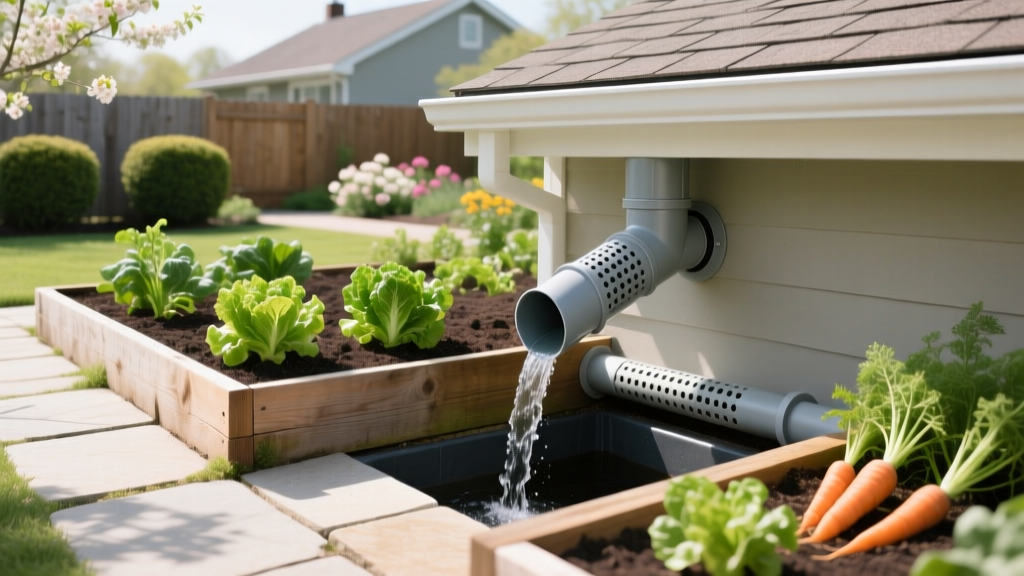
2026 Spring Gutter Guide: Protect Raised Bed Vegetable Gardens
David ParkPublished
The Overlooked Link Between Roof Runoff and Raised Bed Health
Spring has officially arrived in 2026, and for raised bed vegetable gardeners, the excitement of prepping soil, testing pH levels, and ordering heirloom tomato seeds is palpable. However, before you drop a single seedling into your carefully crafted cedar, galvanized steel, or composite raised beds, you must look up. Seasonal home maintenance—specifically spring gutter cleaning and downspout management—is an often-overlooked pillar of a successful vegetable garden.
When we focus on the soil microbiome and compost teas, it is easy to forget that the water entering our garden ecosystem often originates from the roof. With the unpredictable, high-volume spring deluges characteristic of early 2026 weather patterns, an unmanaged gutter system can quickly turn a thriving raised bed garden into a waterlogged, eroded mess. Properly routing and harvesting roof runoff is not just a home maintenance chore; it is a critical agricultural strategy for your backyard.
The Hidden Threat of Unmanaged Roof Runoff
To understand why spring gutter maintenance is vital for your vegetable garden, you must first understand the sheer volume of water your roof captures. A standard 1,500-square-foot roof footprint will capture nearly 1,000 gallons of water from just one inch of rainfall. If your downspouts are improperly positioned or clogged with winter debris, this water will cascade directly over the gutter edges or blast out of disconnected downspout joints.
Soil Erosion and Nutrient Leaching
Raised beds are designed for optimal drainage, but they are not immune to hydrostatic pressure and surface erosion. When concentrated roof runoff dumps directly adjacent to or onto your raised beds, it can wash away expensive organic compost, expose shallow root systems, and leach vital water-soluble nutrients like nitrogen and potassium deep below the active root zone. For heavy feeders like bell peppers and squash, this nutrient loss can severely stunt early-season growth.
Structural Damage to Raised Bed Walls
Constant saturation from misdirected downspouts accelerates the degradation of your garden infrastructure. Untreated wooden beds will succumb to rapid rot, while galvanized steel beds may experience premature oxidation at the soil line due to constant moisture exposure and the slightly acidic nature of rainwater. Furthermore, the sheer weight of saturated soil pressing against the interior walls can cause bowing or structural failure in older beds.
Roof Material Contaminants: What is Washing into Your Garden?
When planning to use roof runoff for edible crops, the material of your roof matters immensely. According to Texas A&M AgriLife Extension, different roofing materials introduce different elements into the water supply:
- Asphalt Shingles: Common on most homes, these can leach trace amounts of heavy metals and organic compounds, especially during the first few heavy rains of spring. While generally safe for ornamental beds, direct application to root vegetables requires careful filtration.
- Uncoated Metal Roofs: Galvanized or zinc-aluminum roofs can introduce zinc and copper into the runoff. While plants need trace amounts of these micronutrients, excessive levels can become toxic to sensitive vegetable crops like lettuce and spinach.
- Tile and Slate: These are generally the safest and most inert materials for rainwater harvesting, yielding the cleanest water for garden-to-table crops.
Additionally, gutter sludge—the thick layer of decomposing leaves, pine needles, and dirt that accumulates over winter—is heavily contaminated with bird droppings. Never use spring gutter sludge as compost in your raised vegetable beds. The risk of introducing pathogens like E. coli or Salmonella to your edible crops is far too high. Dispose of gutter debris in your municipal green waste bin or a dedicated non-edible compost pile.
The 2026 Spring Gutter Cleaning Protocol
To protect your garden, your gutters must be completely clear before the heavy April and May storms arrive. Here is the modern, efficient protocol for 2026:
- Safety First: Use a stabilized ladder with standoff arms to prevent crushing the gutters and to keep your weight off the roof edge.
- Debris Removal: Use a specialized gutter scoop or a 2026-model wet/dry vacuum with a gutter-cleaning attachment (such as the Craftsman 16-Gallon Wet/Dry Vac with angled wands) to remove the bulk of the winter sludge.
- Downspout Flushing: Use a garden hose with a high-pressure nozzle to flush the downspouts. If water backs up, you have a subterranean clog or a blockage at the elbow joint. Use a plumber's snake or a pressurized bladder attachment to clear the pipe.
- Leak Inspection: Check all seams and end caps. Reseal any weeping joints with a high-quality, UV-resistant polyurethane gutter sealant to prevent drips from landing directly on your garden pathways.
Strategic Downspout Diversion for Raised Beds
Once the gutters are clean, the next step is ensuring the water exits the system safely away from your raised bed root zones. The goal is to move water at least 4 to 6 feet away from the garden beds to prevent soil saturation and foundation issues.
Flexible Downspout Extenders and Splash Blocks
For simple setups, corrugated flexible downspout extenders (like the Amerimax Flex-A-Spout) can be routed along the perimeter of the garden to discharge water into a designated lawn area or dry well. Ensure the extenders are pinned down with landscape staples so they do not whip around during high-flow events and damage your delicate spring seedlings.
French Drains and Dry Creek Beds
If your raised beds are situated in a low-lying area where roof runoff naturally pools, you must install a French drain. By digging a shallow trench lined with landscape fabric, filling it with perforated PVC pipe and washed gravel, you can intercept the downspout water and silently route it past your garden zone. This keeps the raised bed soil perfectly aerated and prevents the anaerobic conditions that lead to root rot and fungal diseases like Phytophthora.
Rainwater Harvesting: The Ultimate Garden Upgrade
Rather than simply diverting water away, the most sustainable approach for a raised bed vegetable garden is to capture it. Rainwater is naturally soft, free of the chlorine and chloramines found in municipal tap water, and slightly acidic—making it the absolute best water source for acid-loving crops like tomatoes, blueberries, and potatoes.
However, capturing water for edible crops requires specific safety components. The EPA's green infrastructure guidelines highly recommend using first-flush diverters and proper screening to ensure water quality and prevent mosquito breeding.
2026 Rainwater Harvesting Component Guide
| Component | Purpose | Estimated 2026 Cost | Essential for Edibles? |
|---|---|---|---|
| First-Flush Diverter | Captures and isolates the first 10-15 gallons of dirty roof runoff (bird feces, pollen, dust) before clean water enters the barrel. | $45 - $85 | Yes (Critical for root crops) |
| Stainless Steel Mesh Screen | Filters large debris and prevents mosquitoes from breeding in the standing water. | $15 - $30 | Yes |
| 50-Gallon UV-Rated Rain Barrel | Stores captured water; UV rating prevents plastic degradation and algae growth. | $120 - $180 | Yes |
| Gravity Drip Irrigation Kit | Uses the low pressure of the rain barrel to slowly water raised beds via drip tape. | $60 - $110 | No (But highly recommended) |
Integrating Rain Barrels with Raised Bed Drip Irrigation
One of the most common frustrations gardeners face with rain barrels is the lack of water pressure. A standard rain barrel elevated on cinder blocks only provides about 0.43 PSI per foot of elevation, which is not enough to run standard sprinklers or soaker hoses.
For raised bed vegetable gardens, the solution in 2026 is to use specialized low-pressure drip irrigation tape or button drippers. By elevating your rain barrel on a sturdy, reinforced 3-foot stand (yielding roughly 1.3 PSI), you can effectively run a gravity-fed drip system directly into the base of your tomato and pepper plants. This method delivers water directly to the root zone, minimizing evaporation and keeping the foliage dry, which is crucial for preventing powdery mildew and blight during the humid summer months.
Mid-Season Maintenance: Keeping the System Flowing
Spring cleaning is only the first step. To ensure your gutter and downspout system continues to protect and nourish your raised beds throughout the growing season, implement a quick monthly maintenance routine:
- Post-Storm Inspections: After any severe spring thunderstorm, walk the perimeter of your garden. Check for downspout extenders that have shifted and ensure no water is pooling against the exterior walls of your raised beds.
- Screen Cleaning: Pine needles and spring blossoms (like those from oak and maple trees) can quickly clog rain barrel inlet screens. Brush them off weekly to maintain optimal capture rates.
- First-Flush Maintenance: Drain and clean the first-flush diverter chamber once a month to prevent the buildup of stagnant, bacteria-rich sludge that could eventually back up into your main rain barrel.
Conclusion: A Holistic Approach to the Garden Ecosystem
A thriving raised bed vegetable garden is not an isolated box of soil; it is an integrated component of your entire property's ecosystem. By treating your 2026 spring gutter cleaning and downspout maintenance as a vital gardening task rather than a mere household chore, you protect your garden infrastructure, prevent soil erosion, and unlock a free, high-quality source of irrigation water. Take the time this spring to look up, clear the debris, and route your roof's bounty safely and smartly. Your summer harvest of crisp cucumbers, vibrant greens, and heavy, juicy tomatoes will be the ultimate reward for your foresight and labor.
