Home & Garden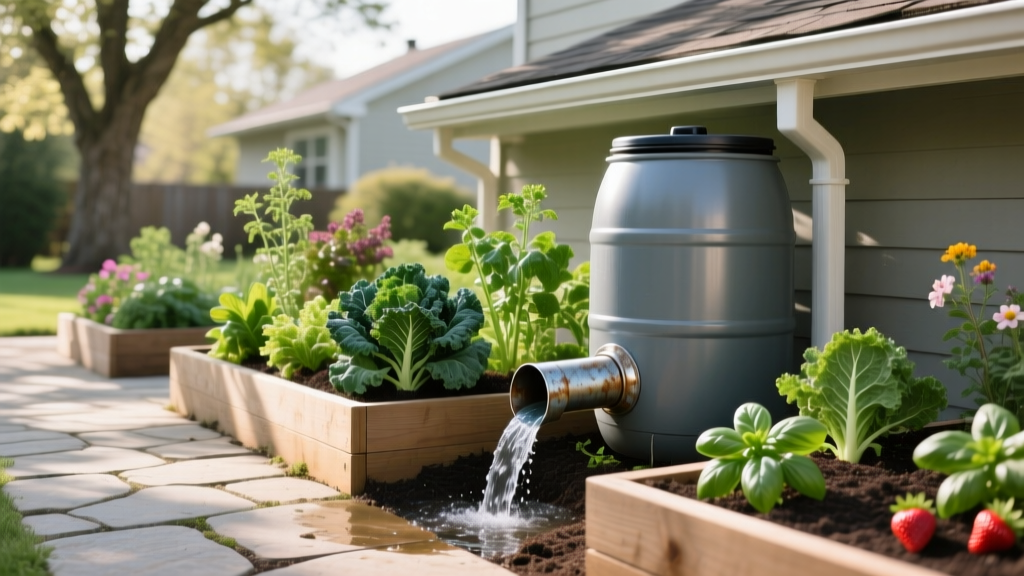
Spring Gutter Cleaning 2026: Protect Your Edible Landscape
Robert HayesPublished
The Hidden Link Between Roof Runoff and Foodscaping
As we welcome the spring of 2026, homeowners are increasingly transforming their yards into lush, productive edible landscapes. Foodscaping—the art of integrating fruit trees, berry bushes, and vegetable beds into traditional ornamental gardens—has never been more popular. However, one critical aspect of seasonal home maintenance is frequently overlooked by edible gardeners: spring gutter cleaning and downspout management. While it might seem like a purely structural chore, the health of your roof's drainage system has a direct, profound impact on the safety and vitality of your food crops.
When gutters are clogged with winter debris, water overflows directly onto the soil below. If you have positioned raised beds, fruiting shrubs, or root vegetables near your home's foundation, this uncontrolled runoff can lead to severe soil erosion, waterlogged roots, and the introduction of harmful contaminants into your garden soil. Furthermore, stagnant water in clogged gutters creates prime breeding grounds for mosquitoes, which not only makes gardening uncomfortable but can also spread diseases. According to the Centers for Disease Control and Prevention (CDC), eliminating standing water around the home, including in roof gutters, is a primary defense against mosquito-borne illnesses. Protecting your family and your food supply starts from the roof down.
Understanding Roof Runoff Contaminants in Edible Gardens
Before diving into the physical cleaning process, it is vital to understand what exactly is washing off your roof and into your garden beds. Roof runoff is not pure rainwater. As precipitation flows over asphalt shingles, metal flashing, and painted fascia, it picks up a cocktail of substances. These can include heavy metals like zinc and copper, microscopic asphalt particles, bird droppings, and pollen.
While ornamental shrubs might tolerate these elements, edible crops are a different story. Leafy greens like spinach, kale, and lettuce are particularly susceptible to soil splashing, which can transfer pathogens from bird droppings directly onto the parts of the plant you consume. Root vegetables can absorb heavy metals if the soil concentration becomes too high over time. Therefore, controlling where your downspouts discharge is just as important as the quality of the compost you use in your foodscaping beds.
Step-by-Step Spring Gutter Cleaning for Edible Landscapes
To ensure your edible landscape thrives in 2026, follow this comprehensive spring cleaning protocol. Always prioritize safety by using a sturdy, leveled ladder and wearing thick gloves and safety goggles.
1. Remove and Sort the Debris
Scoop out leaves, pine needles, and twigs that have accumulated over the winter. Because you are maintaining an edible landscape, you must be mindful of where this debris goes. If your roof is free of chemical treatments and the debris consists mostly of organic leaves, you can add it to your compost bin. However, if you notice heavy accumulations of bird droppings, rodent nests, or asphalt grit, dispose of this material in your municipal waste bin to prevent introducing pathogens into your compost system.
2. Flush the Downspouts
Once the main troughs are clear, use a garden hose with a spray nozzle to flush the downspouts. Start from the end furthest from the downspout and work your way toward the exit. This ensures that any hidden clogs are pushed out rather than compacted further. Watch the water exit at the bottom; it should flow freely without backing up.
3. Inspect and Install Micro-Mesh Gutter Guards
To reduce future maintenance and keep organic debris from rotting in your gutters, consider installing a micro-mesh gutter guard system like Gutterglove Pro. These stainless-steel mesh screens block even the smallest pine needles and shingle grit while allowing heavy spring rains to pass through. This is especially beneficial for foodscaping, as it prevents the buildup of decaying organic matter that attracts pests and harbors bacteria.
Downspout Management: Keeping Contaminants Out of Your Soil
Cleaning the gutters is only half the battle. The real magic for your edible landscape happens at the downspout exit. Allowing roof runoff to discharge directly adjacent to your raised beds or fruit trees is a recipe for soil compaction, root rot, and contamination. You must actively route this water away from your edible zones or capture it safely.
Comparison Chart: Downspout Routing Solutions for 2026
| Routing Method | Estimated Cost | Pros for Foodscaping | Cons & Considerations |
|---|---|---|---|
| Flexible Corrugated Extender | $10 - $15 | Easy to install; redirects water 4-8 feet away from raised beds. | Can be unsightly; easily crushed by lawnmowers or wheelbarrows. |
| Rigid PVC Underground Drain | $50 - $150+ | Hidden from view; permanently routes water away from root zones. | Requires trenching; difficult to modify if you redesign your garden layout. |
| Rain Barrel Diverter Kit | $30 - $60 | Captures free irrigation water; prevents soil erosion near crops. | Requires barrel space; must be winterized or drained in freezing climates. |
| Decorative Splash Block & River Rock | $20 - $40 | Aesthetically pleasing; slows water velocity to prevent soil splashing. | Does not move water far; not suitable for heavy clay soils or flat yards. |
Rainwater Harvesting: Fueling Your Edible Landscape Safely
One of the most rewarding ways to manage your downspouts in an edible landscape is by harvesting the rainwater. Using captured rainwater for your garden reduces your municipal water bill and provides your plants with soft, unchlorinated water that promotes vigorous growth. However, because this water will be touching your food crops, safety and filtration are paramount.
According to the University of Minnesota Extension, while rainwater harvesting is an excellent sustainable practice, roof runoff can contain pollutants that require careful management when applied to edible gardens. The golden rule for 2026 foodscaping is to use drip irrigation connected to your rain barrel, rather than overhead sprinklers. Drip lines deliver water directly to the soil surface, minimizing the risk of splashing contaminated water onto the leaves of your tomatoes, peppers, and greens.
The Crucial Role of First-Flush Diverters
If you are connecting your downspouts to a rain barrel to irrigate your edible landscape, you must install a first-flush diverter. This simple plumbing device captures the initial flow of water from the roof—which contains the highest concentration of bird droppings, dust, and pollen—and seals it off in a separate chamber. Only the cleaner, subsequent rainfall flows into your main rain barrel.
For a standard asphalt shingle roof, experts recommend diverting at least 10 gallons of water for every 1,000 square feet of roof area before allowing water to enter your storage tank. The NC State Extension emphasizes that first-flush diverters significantly improve the quality of harvested rainwater, making it much safer for use in vegetable gardens and around fruit-bearing shrubs.
Smart Home Integration for Irrigation and Gutter Monitoring
The smart home ecosystem in 2026 offers incredible tools for the tech-savvy foodscaper. You can now integrate your downspout and rain barrel setup into your home's automated irrigation network. By installing a smart water level sensor inside your rain barrel, you can connect it to a smart irrigation controller like the Rachio 3 or Orbit B-hyve. When the rain barrel is full, the system automatically switches your garden's drip irrigation to use the harvested rainwater. When the barrel runs dry, the system seamlessly switches back to your municipal water supply, ensuring your edible landscape never suffers from drought stress.
Additionally, placing a smart leak and freeze detector near the base of your downspouts and rain barrels can alert your phone if water begins pooling where it shouldn't. This early warning system can save your raised beds from accidental flooding and protect your home's foundation from water damage during sudden spring downpours.
Conclusion: A Holistic Approach to Spring Maintenance
True edible landscaping requires looking at your property as a single, interconnected ecosystem. The health of your soil and the safety of your harvest are intrinsically linked to the maintenance of your home's exterior. By thoroughly cleaning your gutters this spring, intelligently routing your downspouts away from vulnerable root zones, and safely harvesting rainwater with first-flush diverters, you are doing much more than protecting your roof. You are cultivating a safer, more resilient, and highly productive foodscaping environment for 2026 and beyond. Grab your ladder, clear those gutters, and get ready for your most bountiful harvest yet.
