Home & Garden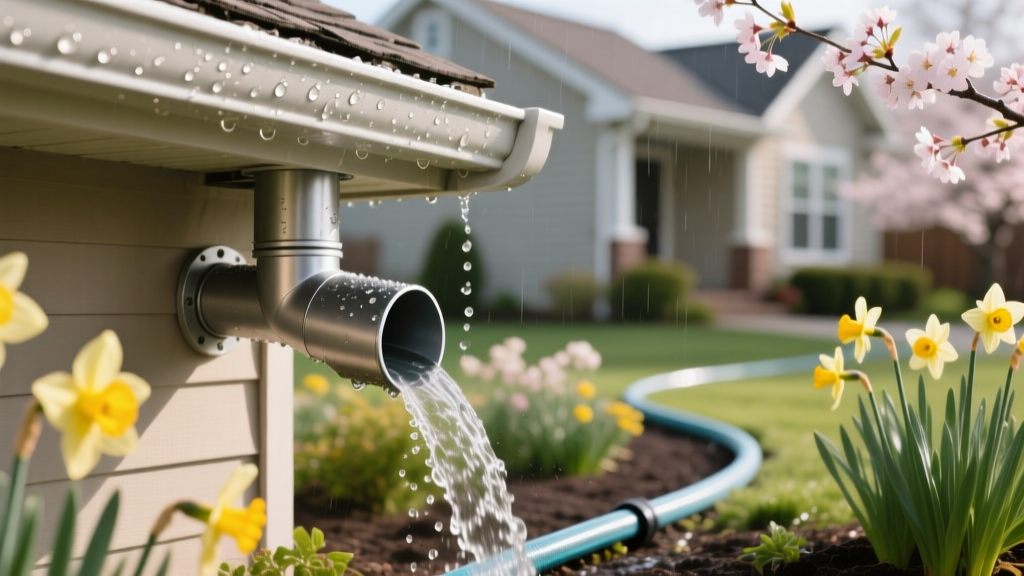
2026 Spring Gutter Cleaning: Protect Irrigation Systems
Emily WatsonPublished
The Hidden Link Between Roof Runoff and Irrigation Health
As we navigate the spring of 2026, extreme weather patterns and heavier seasonal downpours have made seasonal home maintenance more critical than ever. For homeowners who rely on rainwater harvesting to supplement their landscape irrigation, your roof is your primary water source, and your gutters are the delivery network. However, spring gutter cleaning and downspout maintenance are often viewed solely as foundation protection tasks. From a sprinkler and irrigation perspective, neglected gutters can wreak havoc on your outdoor water management systems.
When gutters become clogged with winter debris, pine needles, and organic sludge, water overflows the edges rather than traveling through the downspouts. This uncontrolled cascading water causes severe topsoil erosion, which can quickly expose shallow PVC sprinkler lateral lines, wash out the bedding sand beneath rotary sprinkler heads, and flood underground irrigation valve boxes. Furthermore, if you utilize a rain barrel or cistern system to feed your drip irrigation zones, a clogged gutter means your catchment system starves, forcing your smart irrigation controller to rely on municipal water and driving up your utility bills.
2026 Spring Gutter and Downspout Cleaning Protocol
To ensure your irrigation infrastructure remains protected and your rainwater catchment operates at peak efficiency, follow this specialized spring cleaning protocol tailored for modern irrigation setups.
Step 1: Clear the Roof Valleys and Troughs
Before touching the gutters, clear the roof valleys where debris accumulates and decomposes. Decomposing organic matter creates a tannin-rich sludge that can clog the micro-tubing and emitters of your drip irrigation system if it washes into your rain barrels. Use a soft-bristle roof broom or a 2026-model cordless power blower to remove leaves, moss, and winter grit.
Step 2: Flush the Gutter Channels
Remove large debris by hand or with a specialized gutter scoop. Once the bulk material is gone, use a pressure washer with a gutter-cleaning attachment or a high-pressure garden hose nozzle to flush the channels. Pay close attention to the pitch of the gutters; water should flow steadily toward the downspouts without pooling. Pooling water breeds mosquitoes, which can eventually lay eggs in your open rain catchment cisterns.
Step 3: Inspect and Clear Downspout Diverters
This is the most crucial step for irrigation integration. Most rainwater harvesting setups utilize a downspout diverter to route water into a barrel or underground cistern. Over the winter, these diverter screens become clogged with shingle grit and pollen. Detach the diverter screen, clean it thoroughly, and run water down the downspout to ensure the bypass function works correctly. If the diverter is blocked, water will back up and overflow the gutter edge directly onto your sprinkler zones below.
Essential Catchment Components for Irrigation Systems
Upgrading your gutter and downspout hardware in 2026 can drastically improve the quality of water entering your irrigation system and protect your landscape from runoff damage. According to the Texas A&M AgriLife Extension, utilizing a first-flush diverter is mandatory for keeping roof contaminants, bird droppings, and heavy metals out of drip irrigation emitters, which are highly susceptible to clogging.
| Catchment Component | 2026 Top Pick / Type | Function for Irrigation | Avg. Cost (2026) |
|---|---|---|---|
| Micro-Mesh Gutter Guards | LeafFilter or Raptor Guard | Prevents organic debris from rotting in rain barrels and clogging drip emitters. | $15 - $22 / linear ft. |
| First Flush Diverter | Oatey 4-inch PVC Diverter | Routes the initial, dirtiest roof runoff away from the cistern to protect irrigation filters. | $45 - $65 |
| Smart Level Sensor | Eco-Catch IoT Monitor | Syncs barrel water levels with smart sprinkler timers to prevent dry-run pump damage. | $120 - $150 |
| Downspout Diverter Kit | Good Ideas Rain Wizard | Automatically bypasses full barrels back into the downspout to prevent soil erosion. | $35 - $50 |
Preventing Sprinkler Zone Erosion and Valve Box Flooding
When a downspout lacks a proper extension or diverter, it can dump hundreds of gallons of water per hour directly onto a single sprinkler zone. This concentrated deluge creates mud boils, sinks the earth around your sprinkler heads, and can submerge your irrigation valve boxes. Submerged valve boxes lead to corroded solenoid wires, short-circuited smart timers, and failed zone valves.
To mitigate this, install rigid downspout extensions that carry water at least 4 to 6 feet away from the foundation and away from clustered irrigation infrastructure. For homes with poor drainage, consider installing a subterranean dry well or a French drain at the base of the downspout. This allows the excess roof runoff to percolate slowly into the water table, providing deep hydration to tree roots without saturating the shallow trenches where your PVC sprinkler pipes reside. The American Rainwater Catchment Systems Association (ARCSA) highly recommends routing overflow pipes away from critical landscape infrastructure to maintain soil stability around irrigation mains.
Syncing Smart Irrigation Controllers with Rain Catchment
The pinnacle of 2026 landscape technology is the integration of your roof's catchment system with your smart sprinkler controller. Modern weather-based irrigation controllers, such as the latest Rachio and Orbit B-hyve models, can be paired with rain barrel level sensors and wireless rain/freeze sensors. According to the EPA WaterSense program, integrating smart weather-based controllers with alternative water sources and real-time weather data can reduce outdoor water use by up to 50 percent.
By wiring a smart cistern level sensor to your irrigation controller's master valve or pump start relay, you can program your system to prioritize rainwater for your drip irrigation zones. If the gutters have been freshly cleaned and the spring rains have filled your cistern, the controller will pull from your harvested supply. If the gutters were clogged and the barrels are empty, the system will automatically switch to the municipal backup line or delay watering until the next rain event. This seamless integration ensures your landscape thrives while maximizing the ROI of your spring gutter maintenance.
Conclusion
Spring gutter cleaning and downspout maintenance are not just about protecting your roof and foundation; they are foundational to the health of your modern irrigation and rainwater harvesting systems. By clearing debris, installing first-flush diverters, managing runoff erosion, and syncing your catchment with smart irrigation controllers, you ensure your landscape remains lush, efficient, and protected throughout the 2026 growing season and beyond.
