Home & Garden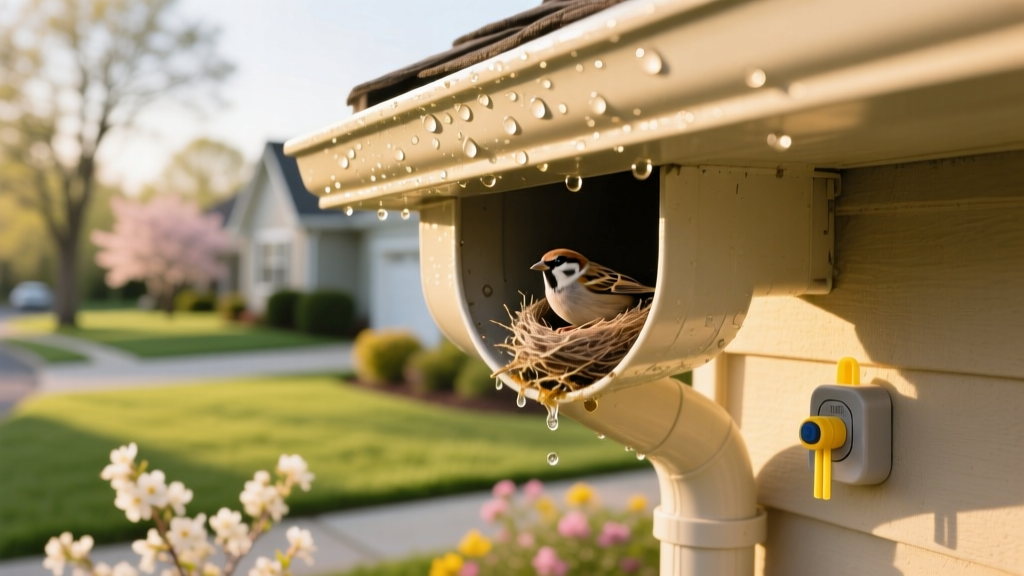
Spring 2026 Gutter & Downspout Cleaning to Deter Wildlife Pests
Robert HayesPublished
The Hidden Wildlife Haven in Your Clogged Gutters
As the spring thaw of 2026 arrives, homeowners eagerly transition back to outdoor living, preparing gardens and patios for the warmer months. However, this seasonal shift also triggers a massive migration and awakening of local wildlife. While much of our yard animal management focuses on lawns and garden beds, one of the most critical—and frequently overlooked—battlegrounds for pest control is directly above our heads: the gutter and downspout system. Clogged gutters and obstructed downspouts are not just a water damage hazard; they are prime real estate for a variety of uninvited wildlife guests.
When autumn leaves, winter ice dams, and early spring pollen accumulate in your roof drainage system, they create a perfect microhabitat. Decaying organic matter holds moisture, providing a reliable water source and nesting material. For homeowners looking to bridge the gap between home maintenance and wildlife management, a proactive spring gutter cleaning protocol is essential. By understanding how animals interact with your home's exterior drainage, you can implement targeted, eco-friendly deterrents that protect both your property and the local ecosystem.
Common Uninvited Guests in Spring Gutters and Downspouts
Before diving into the cleaning process, it is vital to understand which species are drawn to compromised gutter systems and why. Different animals exploit these spaces for different reasons, requiring tailored management strategies.
Mosquitoes and the Standing Water Threat
Mosquitoes are the most immediate biological hazard associated with clogged gutters. A single clogged downspout elbow can hold a few ounces of standing water, which is all a female mosquito needs to lay hundreds of eggs. In 2026, with shifting climate patterns leading to warmer, wetter springs in many regions, mosquito breeding cycles are accelerating. The decaying leaf litter in gutters also releases tannins and nutrients into the water, creating an ideal 'tea' that certain aggressive mosquito species prefer for oviposition.
Birds and the Nesting Instinct
House sparrows, European starlings, and pigeons frequently view the sheltered, elevated troughs of gutters as safe nesting sites. The accumulation of twigs and dried grass provides a ready-made foundation. While birds are a joy to observe in the yard, nesting in gutters leads to severe blockages. Furthermore, the acidic nature of bird droppings can rapidly degrade aluminum and copper gutter materials, while the nests themselves can harbor mites and parasites that may migrate into your attic or soffit vents.
Rodents, Squirrels, and the Downspout Highway
Squirrels and roof rats are agile climbers that often use downspouts as a highway to access the roofline. If the top of the downspout is clogged with debris, it creates a bridge from the gutter to the fascia board, allowing rodents to gnaw their way into the attic. Additionally, the moist, dark environment inside a large corrugated downspout extension can serve as a temporary shelter for mice seeking refuge from spring rainstorms.
Step-by-Step Spring 2026 Gutter Cleaning Protocol
To effectively manage wildlife while maintaining your home, follow this comprehensive spring cleaning protocol. Always prioritize ladder safety, utilizing a spotter and ensuring your ladder is placed on firm, level ground.
Step 1: The Pre-Clean Wildlife Inspection
Before removing any debris, visually inspect the gutters for active wildlife. This is not just a courtesy; it is a legal requirement. Under the Migratory Bird Treaty Act, it is illegal to disturb or destroy the active nests of most native bird species. If you find an active nest with eggs or chicks, you must leave that specific section undisturbed until the fledglings have naturally vacated. For non-native invasive species like European starlings, consult your local wildlife management authority for 2026 removal guidelines.
Step 2: Debris Removal and Sanitization
Using a specialized gutter scoop or a heavy-duty gloved hand, remove all leaves, pine needles, and sediment. Place the debris into a bucket rather than dropping it directly onto your landscaping, as this can inadvertently spread weed seeds or reintroduce pests to your garden beds. Once the bulk debris is removed, flush the gutters with a garden hose. For added wildlife deterrence, wipe down the interior of the gutters with a solution of water and white vinegar. This neutralizes the scent trails left by squirrels and rodents, discouraging them from returning to the same foraging paths.
Step 3: Downspout Flushing and Subterranean Checks
Run water at full pressure down the downspout. If the water backs up, you have a subterranean clog or a blockage at the elbow. Use a plumber's snake or a specialized downspout bladder attachment to clear the obstruction. Ensure that the water exits freely at the base, as slow-draining downspouts are a primary indicator of hidden rodent burrowing near the foundation.
Wildlife-Smart Gutter Guards: 2026 Comparison
Installing gutter guards is one of the most effective long-term wildlife management strategies for your roofline. However, not all guards are created equal when it comes to animal deterrence. Below is a comparison of the most popular gutter guard types available in 2026, evaluated specifically for their effectiveness in wildlife and pest management.
| Guard Type | Wildlife Deterrence Pros | Wildlife & Maintenance Cons | Best For |
|---|---|---|---|
| Stainless Steel Micro-Mesh | Blocks all insects, seeds, and pine needles. Prevents mosquito breeding entirely. | Surface tension can cause water overshoot in heavy rain if not pitched correctly. | Comprehensive pest and mosquito control. |
| Reverse Curve (Surface Tension) | Smooth metal surface deters birds from landing and nesting. | Small gaps at the lip can allow determined wasps to build hives underneath. | Deterring large birds and squirrels. |
| Bottle Brush | Large bristles discourage birds from settling in the trough. | Can trap small debris and pine needles; mosquitoes can breed in trapped water pockets. | Areas with large leaf debris only. |
| Porous Foam | Fills the trough, leaving no room for animal nesting. | Degrades over time; seeds can sprout in the foam; retains moisture, promoting mold. | Not recommended for wildlife management. |
For the best wildlife management results in 2026, stainless steel micro-mesh guards (such as those with a 50-micron aperture) are the industry standard. They completely eliminate the standing water and debris accumulation that attract pests, while remaining durable enough to withstand raccoons or heavy snow loads.
Downspout Management and Yard Integration
Cleaning the gutters is only half the battle; managing where the water exits is equally crucial for yard animal management. The base of the downspout is a high-traffic zone for moisture-seeking wildlife.
Mosquito-Proofing Rain Barrels and Diverters
Many eco-conscious homeowners utilize rain barrels connected to downspout diverters to irrigate their gardens. However, improperly sealed rain barrels are notorious mosquito incubators. The Environmental Protection Agency (EPA) emphasizes that eliminating standing water is the primary defense against mosquito-borne illnesses. Ensure your 2026 rain barrel setup includes a fine mesh screen (at least 1/16 inch) over all inlets and overflows. Smart-home integrated rain barrels now feature automated flush valves that empty stagnant water if the barrel hasn't been drawn from in 7 days, drastically reducing pest risks.
Landscaping Around the Splash Block
The area immediately surrounding your downspout splash block or buried drain exit should be kept clear of dense, moisture-loving groundcovers like ivy or hostas. These plants provide excellent daytime cover for rodents, amphibians, and snakes. Instead, create a 2-foot perimeter of crushed gravel or river rock around the downspout exit. Gravel drains rapidly, denying animals the damp soil they prefer for burrowing, and the uneven, sharp texture deters soft-bodied pests and rodents from traversing the area.
Securing the Downspout Base
Inspect the connection point where the downspout meets the underground PVC drainage pipe. Over the winter, frost heave can separate these joints, creating a dark, dry, and perfectly sized tunnel for mice and voles to enter your yard's drainage network. Seal any visible gaps with expanding polyurethane foam or hardware cloth. If you have open corrugated downspout extensions, cap the open ends with 1/4-inch galvanized hardware cloth. This allows water to flow out freely while creating an impenetrable barrier against rodents looking to climb inside.
Conclusion
Spring gutter and downspout maintenance is a cornerstone of holistic wildlife and yard animal management. By viewing your home's exterior drainage system through the lens of local ecology, you can prevent your property from becoming an accidental sanctuary for mosquitoes, nesting birds, and foraging rodents. Implementing a thorough cleaning protocol, upgrading to micro-mesh gutter guards, and thoughtfully landscaping your downspout exits will ensure your home remains secure, dry, and pest-free throughout the 2026 season and beyond. Regular vigilance not only protects your home's structural integrity but also fosters a healthier, more balanced outdoor living environment.
