Home & Garden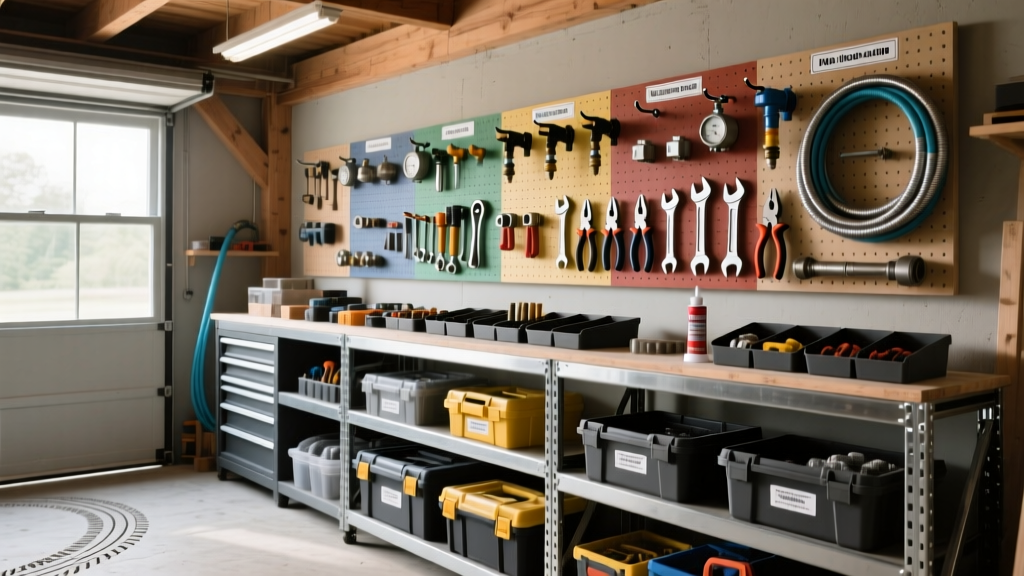
2026 Irrigation Shed Pegboard & Shelving Organization Guide
Anna KowalskiPublished
The 2026 Standard for Irrigation Tool Storage
As we navigate the 2026 landscaping season, the complexity of residential and commercial sprinkler systems has reached new heights. With the widespread adoption of AI-driven leak detection sensors, Wi-Fi-enabled smart controllers, and high-efficiency rotary nozzles, the modern irrigation technician or dedicated DIYer requires a highly specialized workspace. A standard garden shed filled with tangled hoses and scattered PVC fittings is no longer sufficient. According to the EPA WaterSense program, properly maintained irrigation systems can save thousands of gallons of water annually, but this efficiency relies heavily on the technician's ability to quickly diagnose, repair, and upgrade system components. To achieve this, your garden shed must be transformed into a streamlined command center. This comprehensive guide will walk you through the ultimate 2026 garden shed organization strategy, focusing specifically on heavy-duty shelving and metal pegboard wall configurations tailored exclusively for sprinkler and irrigation system maintenance.
Heavy-Duty Shelving: The Backbone of Your Irrigation Shed
Irrigation components are notoriously heavy and bulky. Spools of polyethylene pipe, bundles of Schedule 40 PVC, brass backflow preventers, and bags of quick-connect fittings demand robust support. In 2026, flimsy wire racks are out; industrial-grade steel shelving units are the standard. When outfitting your shed, look for welded steel shelving units with a minimum weight capacity of 800 pounds per shelf. Brands like Gladiator and Husky offer excellent modular systems that can withstand the damp, sometimes muddy conditions inherent to irrigation work. Always anchor these tall shelving units directly to your shed's wall studs to prevent tipping when pulling heavy spools of poly pipe from the upper tiers.
Recommended 2026 Shelving Configurations
- The Pipe & Tubing Rack (Bottom Tier): Reserve the lowest shelf, ideally 18 inches off the ground, for long PVC pipes and poly tubing. Use heavy-duty canvas straps to secure 10-foot PVC sections to prevent rolling. For coiled poly tubing, store them upright in large, heavy-duty canvas bins to maintain their shape and prevent kinking.
- The Valve & Fitting Hub (Middle Tier): Eye-level shelving should be dedicated to brass valves, anti-siphon devices, and PVC fittings. Utilize clear, stackable Akro-Mils plastic bins with latching lids. Label each bin with a 2026-compatible digital label maker, specifying the exact diameter and type, such as 1/2-in Slip x Slip Couplings or 3/4-in Brass Ball Valves.
- The Chemical & Adhesive Station (Top Tier): PVC primer, cement, Teflon tape, and silicone pipe lubricants should be stored on the highest shelf, away from direct sunlight and extreme temperature fluctuations that can degrade their chemical efficacy. Ensure this shelf has a raised lip to prevent accidental spills onto the tools below.
The Metal Pegboard Wall: Mapping Your Sprinkler Arsenal
While shelving handles the bulk storage, the pegboard wall is your active workspace. For irrigation work, traditional Masonite pegboard falls short; the weight of trenching shovels, PVC ratcheting cutters, and manual pipe pullers will easily rip through standard hooks. In 2026, powder-coated steel pegboard systems, such as those from Wall Control, are the undisputed choice for irrigation professionals. These metal boards accept both standard 1/4-inch hooks and specialized slotted hooks, offering unparalleled stability and rust resistance in humid shed environments.
Zoning Your Pegboard for Efficiency
Divide your metal pegboard into three distinct zones: Cutting & Trenching, Assembly & Threading, and Electrical & Diagnostics. This tri-zone approach mirrors the actual workflow of a sprinkler repair job, allowing you to grab exactly what you need without scanning the entire wall. Consider installing a small, battery-powered LED tap light under each adjacent shelf to illuminate the darker corners of your pegboard, ensuring you can easily identify tool silhouettes during early morning or late evening emergency repairs.
Pegboard Hook & Bin Guide for Irrigation Parts
| Tool / Component Category | Recommended Hook / Bin Type | Specific 2026 Application |
|---|---|---|
| Trenching & Digging | Heavy-Duty Cradle Hooks (Slotted) | Securing D-handle trenching shovels and manual sod cutters safely against the metal board. |
| PVC & Poly Cutting | Standard 1/4-inch J-Hooks | Hanging ratcheting PVC shears and Milwaukee M12 cordless copper and PVC cutters for immediate access. |
| Threading & Sealing | Magnetic Tool Trays & Small Bins | Holding Teflon tape rolls, pipe thread sealant, and brass thread taps without them falling to the floor. |
| Electrical & Smart Tech | Acrylic Pegboard Bins with Dividers | Sorting 24V AC solenoids, waterproof wire nuts, and multimeter probes for smart controller diagnostics. |
| Head Adjustment | Multi-Tool Clip Holders | Storing specialized sprinkler head adjustment keys, nozzle cleaning pins, and rotary head tuning tools. |
Smart Irrigation & Electrical Component Organization
The most significant shift in the 2026 irrigation landscape is the dominance of smart home integration. Modern sprinkler systems rely on Wi-Fi hubs, soil moisture sensors, and advanced flow meters. Organizing these delicate electronic components requires a different approach than storing heavy brass valves. In 2026, systems like the Hunter Pro-HC and Rachio 3e utilize advanced flow meters and wireless soil sensors that require careful handling. Store these delicate sensors in their original padded packaging or specialized foam-lined drawers within your shelving unit. Never toss a $150 wireless flow sensor into a bin full of threaded PVC elbows.
Dedicate a specific, dust-free section of your pegboard or a specialized pull-out drawer in your shelving unit for Smart Tech. Use anti-static bags to store backup smart controller modules and replacement Wi-Fi antennas. For wiring, avoid the common mistake of tossing loose spools of 14-gauge irrigation wire into a box. Instead, use wall-mounted PVC pipe scrapers or specialized wire spool dispensers mounted directly to the side of your steel shelving unit. This allows you to pull the exact length of multi-strand wire needed for a valve box repair without creating a tangled bird's nest.
Furthermore, keep a dedicated waterproof tackle box for your electrical diagnostics. This should include your multimeter, which is essential for testing 24V AC output from the controller to the solenoids, waterproof silicone-filled wire connectors, and a wire strippers and crimpers combo tool. The Irrigation Association frequently highlights that poor electrical connections are the leading cause of ghost valve failures, making a dedicated, organized electrical diagnostic kit an absolute necessity for any serious irrigation maintainer. Keep a dedicated logbook or digital tablet mounted on the pegboard to record the IP addresses, MAC addresses, and firmware versions of every smart controller you install or service.
Seasonal Zones: Winterization and Spring Startup
A well-organized irrigation shed must adapt to the seasons. In the late fall, your focus shifts to winterization and blowouts. Dedicate a specific corner of your shed, preferably near the door, for your winterization gear. This includes your portable air compressor, heavy-duty rubber air hoses, and the specialized brass blowout adapters that connect your hose to the system's backflow preventer. Keeping these items near the exit minimizes the heavy lifting required when dragging compressors out to the driveway for the final seasonal blowout.
Conversely, the spring startup requires a different toolkit. Create a Spring Commissioning bin that lives on your middle shelf during the winter but moves to the prime pegboard real estate in early spring. This bin should contain replacement sprinkler head wipers, which often crack during freezing temperatures, new rubber seals for anti-siphon valves, and a master valve rebuild kit. By pre-packing this bin in the off-season, you eliminate the frantic hardware store runs that plague the first warm weekend of the year.
Maintaining Your Organized Space
The best pegboard and shelving system in the world will fail if you do not maintain it. Implement a strict clean and return policy for every irrigation job. Before putting PVC cutters back on the J-hooks, wipe them down with a rag to remove wet PVC primer and cement, which can corrode the metal hooks over time. At the end of every month, conduct a 15-minute inventory audit. Check your stock of commonly used fittings, such as 3/4-inch slip-fix expansion couplings and replacement sprinkler nozzles. The 2026 supply chain for specialized irrigation brass has stabilized, but running out of a $2 fitting can still halt a $500 repair job. Keep a running digital inventory list on a tablet mounted to the side of your shelving unit, syncing it with your local irrigation supply house's online portal for one-click reordering.
Final Thoughts on 2026 Shed Mastery
Transforming your garden shed into a dedicated irrigation command center is an investment in both your time and your landscape's health. By combining heavy-duty steel shelving for bulk components with a precision metal pegboard wall for your daily tools, you create an environment where repairs are swift, and smart system upgrades are seamless. As water conservation regulations become stricter and smart irrigation technology continues to evolve, having a meticulously organized workspace is no longer just a luxury; it is a fundamental requirement for modern lawn and garden care. Embrace the 2026 standard of organization, and watch your efficiency soar with every valve you turn and every zone you troubleshoot.
