Lawn Care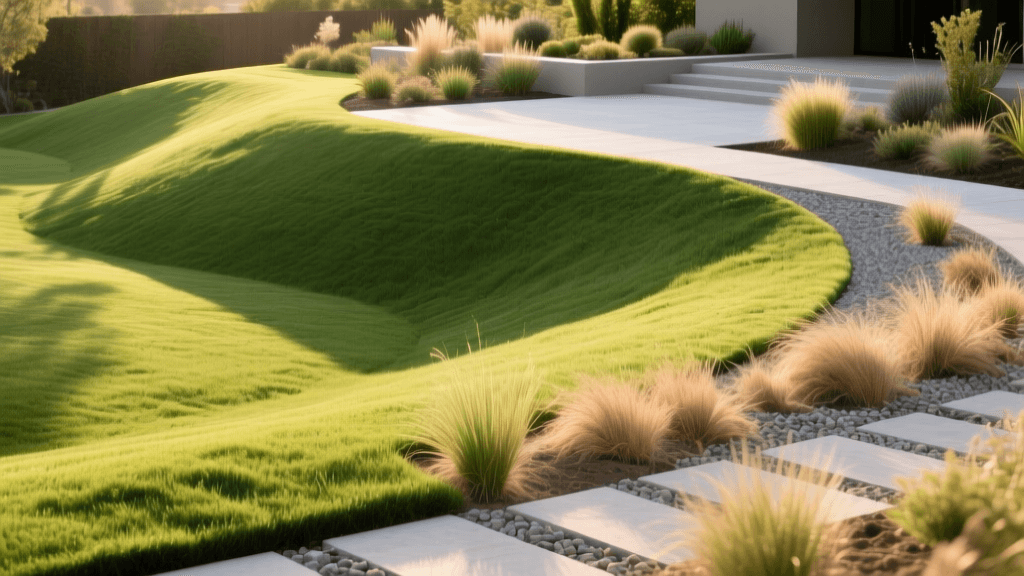
Strategic Lawn Shaping and Hydrozoning for Easy Care
Rethinking the Traditional Rectangular Lawn
Most homeowners inherit a standard, rectangular expanse of grass that demands uniform watering, fertilizing, and mowing. However, treating every square foot of your yard identically is a recipe for wasted resources, struggling turf, and endless weekend chores. By adopting strategic lawn shaping and hydrozoning during the landscape planning phase, you can design an outdoor space that aligns with your lifestyle, conserves water, and drastically reduces routine lawn care maintenance. This planning-first approach transforms your yard from a high-maintenance chore into a functional, eco-friendly oasis.
The Core Principles of Lawn Hydrozoning
Hydrozoning is the practice of grouping plants and turfgrasses with similar water, sunlight, and soil requirements into distinct, manageable areas. The EPA WaterSense program strongly advocates for this design strategy, noting that proper hydrozoning can reduce outdoor water use by up to 50 percent. Instead of running a single, inefficient sprinkler zone over a massive, uniform lawn, hydrozoning allows you to tailor your irrigation schedules, fertilizer applications, and mowing frequencies to the specific needs of each micro-environment in your yard.
When planning your lawn care strategy, you must evaluate your property based on sun exposure, soil drainage, and foot traffic. A sloped, rocky side-yard requires a completely different care regimen than a flat, shaded play area. By mapping these zones before you plant or lay sod, you set the foundation for a sustainable lawn.
Designing Your Three-Tier Lawn Zone System
To implement a hydrozoned landscape, divide your yard into three primary maintenance tiers. This structured approach ensures you are only investing time and money into the areas that truly benefit from intensive lawn care.
Zone 1: The Oasis (High Traffic, High Visibility)
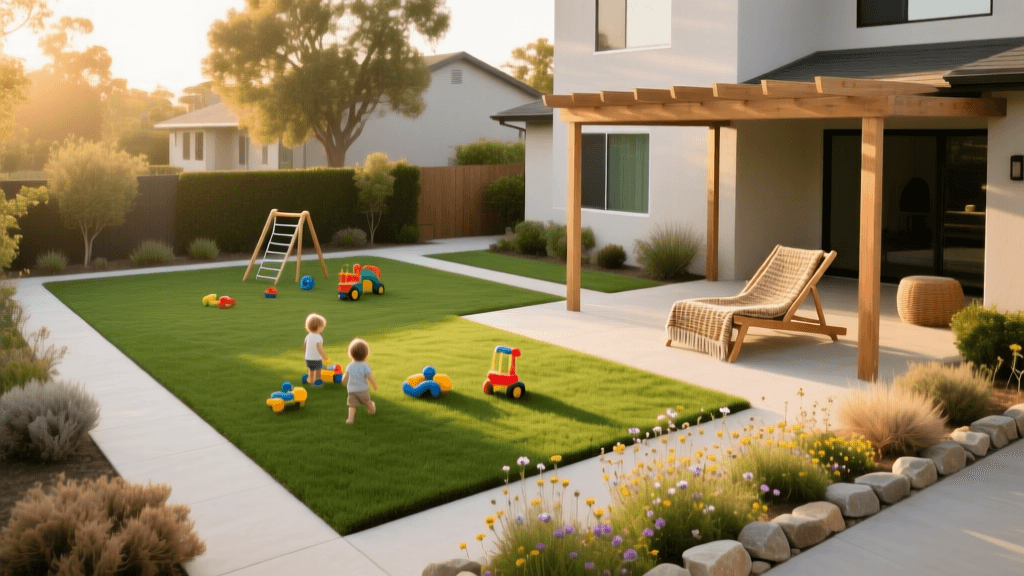
This zone typically comprises 20 to 30 percent of your total yard space. It includes areas near patios, primary walkways, and children's play areas. Because this turf experiences heavy foot traffic and serves as the visual anchor of your landscape, it requires premium care.
- Turf Selection: Kentucky Bluegrass (cool-season) or Bermudagrass (warm-season).
- Watering: Requires 1 to 1.5 inches of water per week.
- Fertilization: 3 to 4 pounds of nitrogen per 1,000 square feet annually.
- Mowing: Weekly during peak growing season, maintaining a height of 2.5 to 3 inches.
Zone 2: The Transition (Moderate Maintenance)
Zone 2 makes up 30 to 40 percent of the yard, acting as a buffer between the high-maintenance Oasis and the wilder perimeter. These areas receive moderate sunlight and occasional foot traffic.
- Turf Selection: Tall Fescue blends or Zoysia grass, which boast deeper root systems and superior drought tolerance.
- Watering: Water deeply but infrequently (every 5 to 7 days) to encourage deep root growth.
- Fertilization: 1.5 to 2 pounds of nitrogen per 1,000 square feet annually.
- Mowing: Bi-weekly, maintaining a height of 3 to 4 inches to shade out weeds.
Zone 3: The Perimeter (Low Water, Native Integration)
The remaining 30 to 40 percent of your yard consists of steep slopes, narrow side-yards, and heavily shaded areas under large trees. The Colorado State University Extension highlights that replacing peripheral turf with xeric landscapes or native meadow grasses can save thousands of gallons of water annually while eliminating the need for string trimming around fences and tree rings.
- Turf/Plant Selection: Buffalograss, native sedge, or ornamental groundcovers like creeping thyme.
- Watering: Rainfall is often sufficient; supplemental watering only during extreme drought.
- Fertilization: Zero to minimal synthetic fertilizers; rely on natural compost top-dressing.
- Mowing: Once a month or just once a year in late winter to clear dead debris.
Strategic Shaping for Mowing Efficiency
The physical shape of your lawn dictates how much time you spend mowing and edging. Avoid sharp 90-degree angles, acute corners, and narrow, grassy corridors between garden beds. These design flaws require time-consuming string trimming and result in turf damage from mower wheels.
Instead, use sweeping, continuous curves for your bed lines. Lay out a flexible garden hose to visualize the edge before committing to the design. To maximize efficiency, install a physical mowing strip flush with the soil surface. Using concrete pavers or recycled rubber edging creates a track for your mower wheels. A 12-inch wide concrete mowing strip costs approximately $2.50 to $4.00 per linear foot installed. This allows you to drive one wheel of your mower on the strip, eliminating the need for a weed whacker entirely and reducing mowing time by up to 25 percent.
Turfgrass Selection and Care by Hydrozone
Choosing the right seed or sod for your designated zones is critical for long-term lawn care success. The following table outlines the practical requirements for common turfgrasses based on their hydrozone placement.
| Hydrozone | Recommended Turf | Weekly Water Need | Mowing Frequency | Est. Annual Cost per 1k sq ft |
|---|---|---|---|---|
| Zone 1 (Oasis) | Kentucky Bluegrass | 1.0 - 1.5 inches | Weekly | $120 - $150 |
| Zone 1 (Oasis) | Bermudagrass | 1.0 - 1.2 inches | Weekly (Bi-weekly in heat) | $90 - $130 |
| Zone 2 (Transition) | Tall Fescue | 0.8 - 1.0 inches | Bi-Weekly | $60 - $80 |
| Zone 2 (Transition) | Zoysia | 0.5 - 0.8 inches | Bi-Weekly | $50 - $70 |
| Zone 3 (Perimeter) | Buffalograss | 0.25 inches (or rain) | Monthly | $15 - $25 |
Irrigation Planning for Hydrozones
A hydrozoned lawn requires a hydrozoned irrigation system. If your entire yard is on a single sprinkler valve, your Zone 3 areas will drown while your Zone 1 areas burn. Plan to separate your sprinkler system into at least three distinct valves. Upgrade to a smart irrigation controller, such as the Rachio 3 or Orbit B-hyve (costing between $150 and $230), which uses local weather data and soil type inputs to automatically adjust watering times for each specific zone. For Zone 2 and Zone 3 garden borders, transition from overhead spray heads to drip irrigation lines, which deliver water directly to the root zone and eliminate wind evaporation.
Step-by-Step Implementation and Soil Preparation
Redesigning an existing lawn requires careful timing and soil preparation. According to the University of Minnesota Extension, conducting a comprehensive soil test before planting new zones is essential to determine pH and nutrient deficiencies.
- Timing: Execute cool-season turf renovations in early fall (late August to mid-September). Plan warm-season turf installations for late spring (mid-May to June).
- Turf Removal: For Zone 3 areas where turf is being replaced by native plants, rent a motorized sod cutter ($70 to $90 per day) to cleanly remove the top layer of grass. Alternatively, use solarization by covering the area with clear 4-mil plastic sheeting for 4 to 6 weeks during the heat of summer to naturally kill the grass and weed seeds.
- Soil Amendment: In Zone 1, perform deep core aeration and apply a half-inch layer of screened compost to improve water retention. In Zone 3, avoid heavy composting, as native and xeric plants thrive in leaner, unamended native soils.
- Seeding vs. Sodding: Use premium sod for Zone 1 to establish an immediate, weed-free play area. Use high-quality seed mixes for Zone 2 and Zone 3 to save money and encourage deeper, more resilient root establishment.
"A well-planned lawn design considers not just the aesthetics of the grass, but the shadow patterns, water runoff, and the physical time required to maintain the space. Design your lawn to work with nature, not against it."
By embracing strategic lawn shaping and hydrozoning, you shift the paradigm of lawn care from reactive maintenance to proactive design. You will spend less time pushing a mower, lower your municipal water bills, and cultivate a dynamic, multi-textured landscape that thrives in its specific environment.