Lawn Care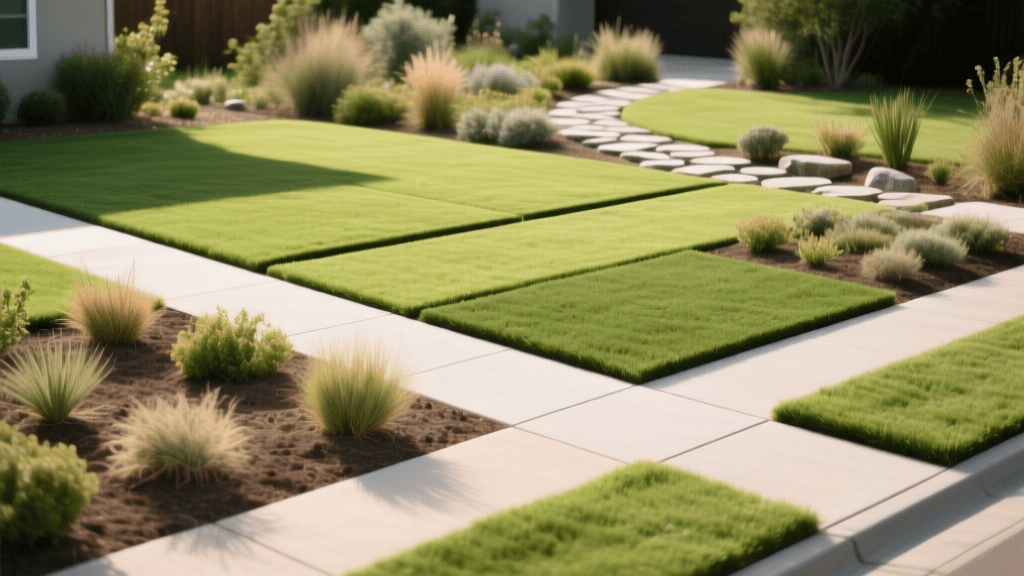
Strategic Lawn Zoning: Designing for Water and Traffic
Introduction to Strategic Lawn Zoning
When homeowners envision a new lawn, they often picture a uniform carpet of green stretching seamlessly from the front porch to the property line. However, treating your entire yard as a single, homogeneous space is a recipe for high water bills, excessive fertilizer use, and constant maintenance frustration. Strategic lawn zoning—specifically the integration of hydrozoning and traffic flow planning—is a foundational design concept that transforms a high-maintenance yard into a sustainable, highly functional landscape.
By planning your lawn layout based on how different areas are actually used and how much water they naturally receive, you can drastically reduce your environmental footprint while maximizing your yard's aesthetic and recreational value. This approach moves away from the "one-size-fits-all" mentality and embraces a tailored, zone-by-zone strategy that saves time, money, and natural resources.
The Core Concept: What is Hydrozoning?
Hydrozoning is the landscaping practice of grouping plants and turfgrasses with similar water, sunlight, and soil requirements together into distinct, manageable zones. According to the EPA WaterSense program, outdoor water use accounts for nearly 30% of total household water consumption, with traditional turfgrass being one of the most resource-intensive elements of a landscape. By designing your lawn in hydrozones, you prevent the common mistake of overwatering drought-tolerant areas just to keep a small patch of thirsty grass alive.
Zone 1: The Oasis (High Water, High Traffic)
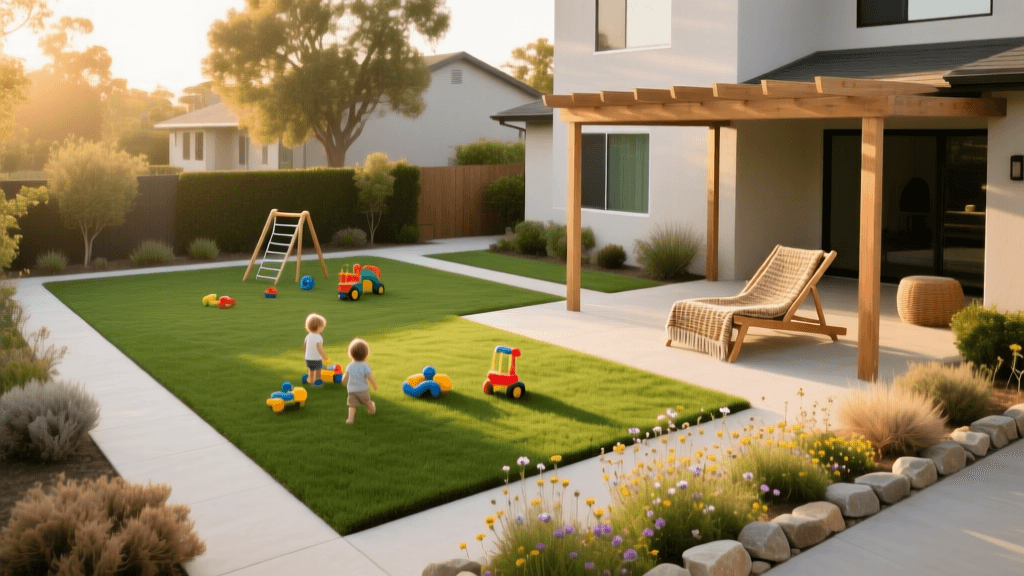
This zone typically encompasses the areas immediately surrounding your home, patio, or primary outdoor living spaces. These areas see the most foot traffic from children, pets, and guests, and they serve as the visual focal point of your landscape. Because this zone is highly visible and heavily used, it justifies the investment in premium, water-intensive turfgrasses like Kentucky Bluegrass or hybrid Bermudagrass. Plan to install a dedicated irrigation zone here, utilizing high-efficiency rotary nozzles. Expect to invest between $0.50 and $1.50 per square foot for high-quality sod in this area to ensure immediate, durable establishment.
Zone 2: The Transition (Moderate Water, Occasional Use)
Moving further from the house, the transition zone serves as a bridge between the manicured oasis and the natural periphery. This area might be used occasionally for a game of catch or as a secondary pathway. Here, you should transition to more drought-tolerant, deep-rooted grasses like Tall Fescue or Zoysia. These grasses require 20% to 30% less water than traditional oasis grasses and can survive periods of dormancy during peak summer heat without suffering permanent damage. The University of California's WUCOLS database provides excellent guidance on categorizing landscape species by their specific regional water needs, making it an invaluable tool for selecting transition zone turf.
Zone 3: The Natural Edge (Low Water, Minimal Traffic)
The outer edges of your property, steep slopes, or heavily shaded areas under mature trees make up the natural edge zone. These areas are rarely walked on and are difficult to irrigate efficiently. Instead of struggling to grow traditional turf here, design these zones using native groundcovers, ornamental bunchgrasses, or xeriscaping elements like mulch and permeable hardscapes. This not only saves water but also eliminates the need for dangerous mowing on steep inclines.
Planning for Traffic Flow and Wear Resistance
A beautiful lawn design will quickly fail if the grass cannot withstand the physical realities of your household's lifestyle. Wear resistance is determined by the turf's growth habit—specifically, whether it spreads via rhizomes (underground stems) or stolons (above-ground runners), which allow it to recover from damage. As noted by Texas A&M AgriLife Extension, selecting the right turfgrass based on environmental stressors and expected wear is critical for long-term lawn survival.
Below is a comparison chart to help you match grass types to your designated lawn zones:
| Grass Type | Best Zone | Traffic Tolerance | Water Needs | Recovery Rate |
|---|---|---|---|---|
| Kentucky Bluegrass | Zone 1 (Oasis) | High | High (1.5"/week) | Fast (Rhizomes) |
| Hybrid Bermudagrass | Zone 1 (Oasis) | Very High | Moderate-High | Very Fast (Stolons/Rhizomes) |
| Tall Fescue | Zone 2 (Transition) | Moderate | Moderate (1"/week) | Slow (Bunch-type) |
| Zoysia | Zone 2 (Transition) | High | Low-Moderate | Moderate (Stolons/Rhizomes) |
| Buffalograss | Zone 3 (Natural) | Low-Moderate | Very Low | Slow (Stolons) |
Designing Curved Borders and Mowing Strips
One of the most overlooked aspects of lawn planning is the physical shape of the turf borders. Sharp 90-degree corners and narrow, hourglass-shaped pinch points create nightmares for mowing and string trimming. When planning your layout, incorporate the following design rules:
- Use Sweeping Curves: Instead of rigid, straight lines or sharp angles, design your lawn borders with long, sweeping curves. A good rule of thumb is to use a garden hose to lay out the border, ensuring that the curve is wider than the turning radius of your specific lawnmower (usually at least 3 to 4 feet).
- Install Flush Mowing Strips: Where the lawn meets a garden bed or hardscape, install a mowing strip. Use 12-inch by 12-inch concrete pavers laid flush with the soil surface on a 2-inch base of compacted sand. This allows you to run one mower wheel on the strip, eliminating the need for string trimming and protecting tree roots and garden borders from damage.
- Eliminate "Grass Islands": Avoid planting single trees or small shrubs surrounded by tiny circles of grass. These "islands" require endless string trimming and complicate irrigation. Instead, group plantings into larger, unified beds with sweeping edges.
Design Pro Tip: Before finalizing your lawn shape, perform a "sun and shade map" over a full 12-hour day in mid-summer. Note which areas receive 6+ hours of direct sun (ideal for most turf) and which are heavily shaded. Shade zones should automatically be designated for Zone 3 low-water groundcovers or shade-tolerant mulch beds, rather than forcing grass to grow where it will inevitably thin out and invite weeds.
Step-by-Step Lawn Planning Checklist
To put these design ideas into action, follow this practical planning checklist before purchasing any seed or sod:
- Conduct a Soil Test ($15-$30): Test your soil pH and nutrient levels. Most turfgrasses thrive in a pH range of 6.0 to 7.0. Amend the soil with lime or sulfur based on the lab's recommendations at least 4 weeks before planting.
- Perform an Irrigation Audit: If you have an existing sprinkler system, place catch cups in a grid pattern across your yard and run a cycle. This will reveal dry spots and overwatered zones, helping you map out your hydrozones accurately.
- Grade for Drainage: Ensure the soil slopes away from your home's foundation at a minimum rate of 1/4 inch per foot for the first 10 feet. Proper grading prevents water pooling and protects your foundation.
- Define Pathways First: Observe where people naturally walk across your yard (desire lines). Formalize these paths using stepping stones, gravel, or low-growing creeping groundcovers to prevent soil compaction and grass wear in high-traffic shortcuts.
- Calculate Material Needs: Measure your zones accurately. For seed, plan on buying 10% extra to account for overlap and uneven spreading. For sod, order 5-10% extra to account for cutting around curves and borders.
Conclusion
Strategic lawn zoning is the bridge between beautiful landscape architecture and practical lawn care. By thoughtfully dividing your yard into distinct hydrozones, matching grass types to expected traffic levels, and designing mower-friendly borders, you create a landscape that works for you rather than against you. This proactive planning phase requires an upfront investment of time, but it pays dividends for decades in the form of lower water bills, reduced chemical reliance, and a healthier, more resilient lawn that perfectly complements your lifestyle.