Home & Garden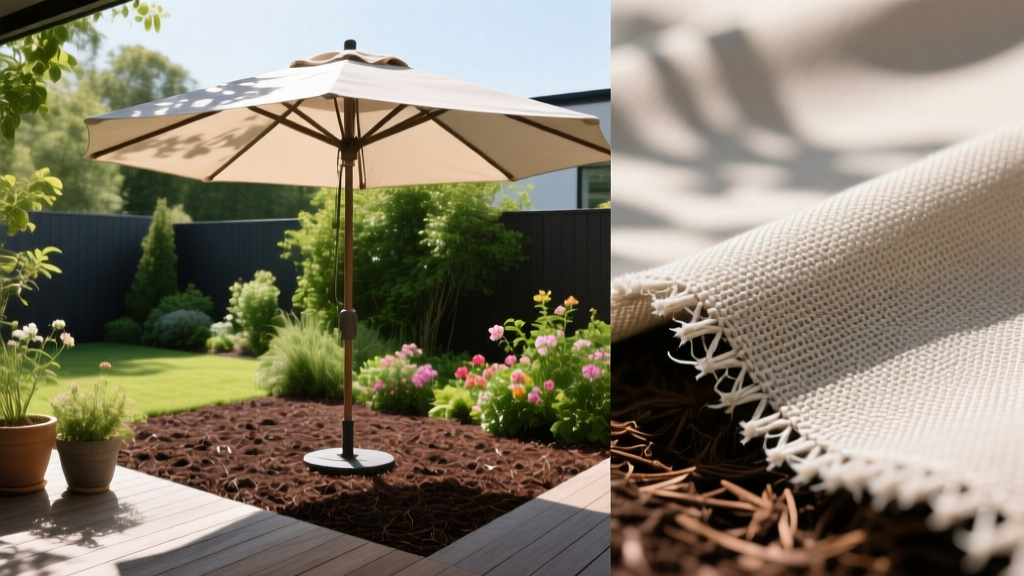
Sunbrella vs Polyester Umbrellas & Mulch UV Guide 2026
Emily WatsonPublished
Designing the Ultimate 2026 Outdoor Oasis: From Canopy to Soil
Creating a cohesive outdoor living space in 2026 requires a holistic approach to environmental protection. As homeowners increasingly blur the lines between indoor comfort and outdoor landscaping, managing ultraviolet (UV) radiation and moisture retention has become a dual-layered science. This involves selecting the right overhead shade solutions—specifically comparing Sunbrella fabric versus standard polyester for outdoor umbrellas—and pairing them with the most effective ground-level mulching methods and materials.
While most guides focus solely on furniture or solely on garden beds, understanding the synergy between your canopy's UV blockage and your soil's mulching strategy is critical for a thriving, low-maintenance landscape. According to the Environmental Protection Agency (EPA), proper shade structures not only protect human skin but also significantly alter the microclimate of the garden beds beneath them, directly influencing soil temperature, moisture evaporation rates, and the decomposition speed of organic mulches.
Overhead Protection: Sunbrella vs. Polyester Umbrella Fabrics
When investing in a patio umbrella for the 2026 season, the fabric choice dictates the longevity, aesthetic retention, and actual UV-blocking capability of your shade. The market is primarily dominated by two materials: solution-dyed acrylic (best known by the premier brand Sunbrella) and piece-dyed polyester.
Sunbrella (Solution-Dyed Acrylic)
Sunbrella fabrics are engineered with UV-stable pigments added to the liquid acrylic before it is extruded into fiber. This means the color goes all the way through the yarn, much like a carrot. As a result, Sunbrella umbrellas offer unparalleled fade resistance, blocking up to 98% of the sun's harmful UV rays. In 2026, premium Sunbrella cantilever umbrellas typically range from $450 to $1,200, reflecting their superior 5-year limited warranty against fading and degradation. Furthermore, the official Sunbrella outdoor guidelines highlight that their fabrics are treated for water repellency and mildew resistance, making them ideal for humid climates and unpredictable spring weather.
Standard Polyester
Polyester umbrellas are dyed after the fabric is woven, meaning the UV-blocking pigments only coat the surface of the yarn. While modern 2026 polyester blends often include aftermarket UV-inhibitor sprays, these wash and wear off over time. Polyester is highly susceptible to photodegradation; prolonged sun exposure breaks down the polymer chains, leading to brittleness, severe fading, and a loss of UPF (Ultraviolet Protection Factor) rating within a single season of intense summer sun. However, they remain a budget-friendly option, with 2026 market prices averaging between $80 and $200.
2026 Fabric Comparison Chart
| Feature | Sunbrella (Acrylic) | Standard Polyester |
|---|---|---|
| UV Ray Blockage | Up to 98% | 70% - 85% (Degrades quickly) |
| Colorfastness | Exceptional (Solution-dyed) | Poor to Fair (Piece-dyed) |
| Expected Lifespan | 5 to 10+ Years | 1 to 2 Years |
| 2026 Avg. Cost (9ft Umbrella) | $350 - $800 | $80 - $180 |
| Mildew Resistance | High (Fluorocarbon finish) | Moderate |
Ground-Level Protection: Mulching Methods & Materials
The UV protection provided by your umbrella directly impacts the garden beds and potted plants situated underneath it. This is where the "Mulching Methods & Materials" perspective becomes vital. Mulch serves as the soil's protective canopy, regulating temperature, retaining moisture, and suppressing weeds. However, not all mulches react the same way to the filtered light and microclimates created by overhead shade structures.
Organic Mulches Under High-UV Blockage (Sunbrella)
When using a high-quality Sunbrella umbrella that blocks 98% of UV rays and significantly lowers ambient ground temperatures, organic mulches thrive. Materials like shredded hardwood, cedar bark, and pine straw benefit from the reduced UV exposure, which slows their superficial bleaching while allowing the natural decomposition process to continue at the soil interface. According to experts at Clemson University's Home and Garden Information Center, maintaining a 2-to-3-inch layer of organic mulch is essential for moisture retention and soil health. Under the deep shade of a Sunbrella canopy, you can utilize more delicate, aesthetically pleasing organic mulches like dyed cedar or pine bark nuggets without worrying about the sun rapidly bleaching them to an unsightly gray.
Inorganic Mulches for Partial Shade & Polyester Canopies
If you are utilizing a standard polyester umbrella that allows higher UV penetration and degrades over the season, the ground beneath it will experience fluctuating light and heat levels. In these scenarios, or in xeriscaping designs where water retention is less critical than heat reflection, inorganic mulching materials are preferred. River rock, pea gravel, and recycled rubber mulch do not suffer from photodegradation. Rubber mulch, in particular, is highly UV-stable in 2026 formulations and provides excellent insulation for plant roots, though it does not contribute to soil fertility.
Synergy: Pairing Canopy Fabrics with Mulching Strategies
To achieve a perfectly balanced outdoor living space in 2026, consider how your overhead and ground-level materials interact:
- The Entertainment Zone (Sunbrella + Hardwood Mulch): For dining areas where you want a lush, garden-like feel, pair a Sunbrella cantilever umbrella with dark, double-shredded hardwood mulch. The umbrella's superior UV blockage prevents the dark mulch from graying out, maintaining a rich, manicured look all season while keeping the root zones of surrounding shade-tolerant plants cool.
- The Budget Lounge (Polyester + Gravel/Rock): If you opt for a seasonal polyester umbrella, pair it with an inorganic mulch like decorative river rock or landscape glass. Since the polyester will eventually allow more UV rays to penetrate as it fades, the inorganic mulch will not suffer the visual degradation that bleached organic wood chips would.
- Smart Irrigation Integration: In 2026, smart home landscaping is standard. When placing umbrellas over mulched garden beds, ensure your smart drip irrigation sensors are not obstructed by the umbrella's rain-runoff patterns. Sunbrella fabrics shed water efficiently to the edges, meaning the center of the shaded mulch bed may dry out faster than expected if relying solely on rainfall. Furthermore, integrating smart soil moisture sensors directly into the mulch bed beneath the umbrella can automate this process, ensuring that the specific microclimate created by your shade structure is perfectly calibrated for the plant life below.
Maintenance Tips for 2026
Maintaining your outdoor oasis requires seasonal attention to both fabrics and mulch beds. For Sunbrella umbrellas, routine brushing off of loose dirt and spot-cleaning with a mild soap solution will maintain the fabric's fluorocarbon water-repellent finish. Avoid harsh power washing, which can strip the protective coating. For polyester, applying a 2026-approved aftermarket UV and water-repellent fabric guard in early spring can extend its lifespan by an additional season, though it will never match the inherent durability of solution-dyed acrylics. Always allow the umbrella to dry completely before closing it to prevent mildew growth, regardless of the fabric type.
On the ground, refresh your organic mulch layers annually. As the Clemson University extension advises, avoid "volcano mulching" around tree trunks and plant bases, as this traps moisture and invites rot. Instead, maintain a flat, even layer that complements the clean lines of your modern outdoor furniture and umbrella setup.
Conclusion
Designing an outdoor space in 2026 is about more than just picking out attractive furniture; it is about understanding the environmental science of your patio. By choosing a Sunbrella fabric umbrella for maximum, long-lasting UV protection, and pairing it with the correct organic or inorganic mulching materials, you create a microclimate that protects both your guests and your garden. Whether you are investing in premium solution-dyed acrylics and rich cedar mulches, or balancing a budget with polyester and decorative stone, aligning your canopy and ground-level materials ensures a beautiful, sustainable outdoor retreat for years to come.
