Home & Garden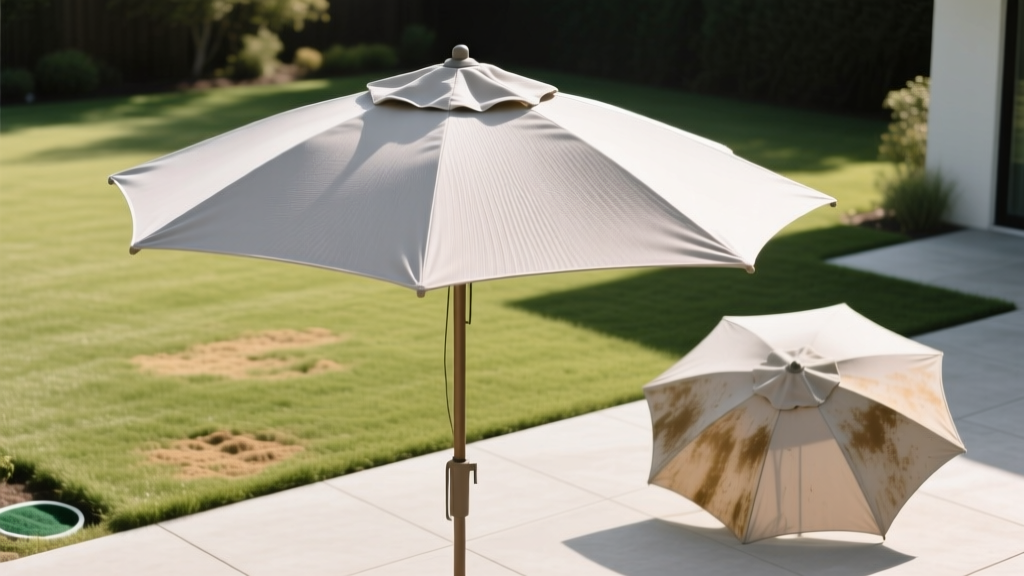
2026 Sunbrella vs Polyester Umbrellas: UV & Fertilizer Guide
David ParkPublished
The Intersection of Lawn Fertilizer Schedules and Patio Furniture
As we settle into the 2026 outdoor living season, homeowners are investing heavily in two major areas: achieving a flawless, golf-course-quality lawn and curating the perfect patio oasis. However, a hidden conflict often arises between these two pursuits. The rigorous fertilizer types and schedules required to maintain deep green turf can inadvertently wreak havoc on your outdoor furniture. Liquid nitrogen applications, chelated iron sprays, and granular weed-and-feed dust frequently drift onto patio umbrellas, causing stubborn chemical stains and accelerating fabric degradation.
When you combine harsh lawn care chemicals with intense summer ultraviolet (UV) radiation, the structural integrity and colorfastness of your outdoor umbrella fabric are put to the ultimate test. This comprehensive guide compares the two dominant materials on the market—solution-dyed acrylic (best known by the brand name Sunbrella) and piece-dyed polyester—specifically analyzing how they withstand both UV exposure and the chemical realities of a modern 2026 lawn fertilization schedule.
Understanding the Chemical Threat: Fertilizer Overspray
In 2026, the trend in lawn care has shifted heavily toward liquid micro-nutrient applications and slow-release granular synthetics. While highly effective for turf, these products pose unique threats to outdoor textiles:
- Liquid Iron (Chelated Iron 10%): Used to instantly green up lawns and combat chlorosis, liquid iron is notorious for leaving permanent, rust-colored micro-spots on porous fabrics.
- High-Nitrogen Liquid Sprays (e.g., 28-0-0): Often applied via hose-end sprayers, these can drift in high winds, leaving alkaline residue that breaks down weak synthetic fibers over time.
- Granular Dust: When spread with a rotary broadcaster, fine fertilizer dust settles onto umbrella canopies. When morning dew hits the fabric, it creates a mild acid/base reaction that bakes into the fibers under the hot sun.
According to the EPA's nutrient pollution and application guidelines, careful application and awareness of wind drift are essential not just for protecting local waterways, but for preventing chemical overspray onto adjacent hardscapes and outdoor living spaces.
Sunbrella vs. Polyester: The 2026 UV & Chemical Breakdown
To understand why certain fabrics survive a season of heavy lawn maintenance while others fade and stain, we must look at how they are manufactured.
Solution-Dyed Acrylic (Sunbrella)
Sunbrella fabrics are created using a solution-dyeing process, meaning the color pigment is added to the liquid acrylic polymer before it is even extruded into a fiber. Think of it like a carrot: the color goes all the way through. Because the UV stabilizers and pigments are locked inside the core of the fiber, Sunbrella is exceptionally resistant to UV fading. More importantly for lawn care enthusiasts, the dense, non-porous nature of high-grade acrylic resists the absorption of liquid iron and nitrogen overspray. Stains sit on the surface, making them easy to wash away before they set.
Piece-Dyed Polyester
Polyester umbrellas dominate the budget-friendly market. They are piece-dyed, meaning the raw white fabric is woven first and then dipped into a vat of chemical dye. Think of it like a radish: the color is only on the outside. UV rays quickly break down the surface dye, leading to severe fading by mid-summer. Furthermore, as UV radiation degrades the polyester fibers, it creates microscopic fissures. When fertilizer overspray lands on these UV-weakened fibers, the iron and nitrogen salts seep deep into the core, resulting in permanent, un-removable chemical staining.
Performance Comparison: Sunbrella vs. Polyester
| Feature | Sunbrella (Solution-Dyed Acrylic) | Standard Polyester |
|---|---|---|
| UV Fade Resistance | 1,500+ hours (5+ years direct sun) | 300 - 500 hours (1 season) |
| Iron Stain Resistance | High (Surface level, cleanable) | Low (Absorbs into degraded fibers) |
| Nitrogen Burn Tolerance | Excellent (Chemical inertness) | Poor (Fibers weaken and yellow) |
| Bleach Cleanability | Safe (Can use 10% bleach solution) | Unsafe (Bleach strips surface dye) |
| 2026 Average Cost (9ft Umbrella) | $350 - $600 | $80 - $150 |
Aligning Your 2026 Fertilizer Schedule with Furniture Care
Protecting your outdoor investment requires synchronizing your lawn care calendar with your patio maintenance routine. Here is how to manage your umbrella fabric throughout the 2026 fertilization seasons:
Early Spring: Pre-Emergents and High Nitrogen
During the spring green-up, turf professionals and DIYers rely heavily on high-nitrogen liquid applications to force rapid blade growth. Schedule Protocol: Always collapse and secure your patio umbrella before applying liquid nitrogen via a backpack or hose-end sprayer. If you are using granular pre-emergents, the dust will inevitably settle on nearby furniture. Leave the umbrella closed for 24 hours post-application to allow dust to settle on the ground, then rinse the patio area with a hose before opening the canopy.
Early Summer: Iron and Micronutrient Treatments
Summer heat stresses lawns, prompting the use of chelated iron to maintain dark green color without forcing excessive, water-hungry growth. Iron overspray is the number one enemy of outdoor fabrics. Schedule Protocol: Apply iron treatments in the early morning when winds are dead calm. If you own a polyester umbrella, any iron drift will likely result in a permanent rust stain due to the fabric's UV-weakened surface. Sunbrella owners can easily remediate accidental overspray using a targeted spot-cleaning method.
Early Fall: Winterizers and Potassium
Fall winterizers (often high in potassium, like a 10-0-14 NPK ratio) are applied to strengthen turf roots. These granular products are heavy and less prone to wind drift, but they can bounce off hard surfaces and lodge into the folds of an umbrella canopy. Schedule Protocol: Perform a deep clean of your umbrella canopy before closing it for the winter. Trapped fertilizer granules combined with winter moisture will cause localized mold and chemical burns on both acrylic and polyester fabrics over the dormant months.
Cleaning Protocols for Fertilizer Stains
Accidents happen, and wind drift is not always predictable. How you clean fertilizer stains depends entirely on your fabric type. According to Sunbrella's official care guidelines, solution-dyed acrylics can withstand aggressive cleaning agents that would destroy lesser fabrics.
For Sunbrella (Acrylic): If liquid iron or heavy nitrogen spray lands on your canopy, create a cleaning solution of 1 cup of household bleach, 1/4 cup of mild dish soap, and one gallon of warm water. Spray the mixture onto the chemical stain, let it soak for 15 minutes to break down the metallic salts, and rinse thoroughly. The bleach will not affect the core color of the fabric, and the Sunbrella limited warranty supports this cleaning methodology to maintain fabric integrity.
For Polyester: Avoid bleach entirely, as it will strip the piece-dyed color instantly. Instead, use a specialized outdoor fabric cleaner or a mixture of white vinegar and warm water to attempt to neutralize the alkaline fertilizer salts. Gently blot—do not scrub, as scrubbing will fray the UV-degraded polyester fibers and make the stain appear worse.
Final Verdict for the 2026 Season
If your 2026 lawn care strategy involves aggressive liquid fertilization, frequent iron treatments, and a pursuit of pristine turf, a standard polyester umbrella is a liability. The combination of intense UV degradation and chemical overspray will render a polyester canopy faded and stained by late July. Investing in a Sunbrella-topped umbrella provides the chemical resistance and UV stability required to coexist peacefully with a rigorous lawn maintenance schedule. By timing your applications carefully and utilizing the correct cleaning protocols, your outdoor oasis will remain vibrant and spotless from the first spring green-up to the final fall winterizer.
