Home & Garden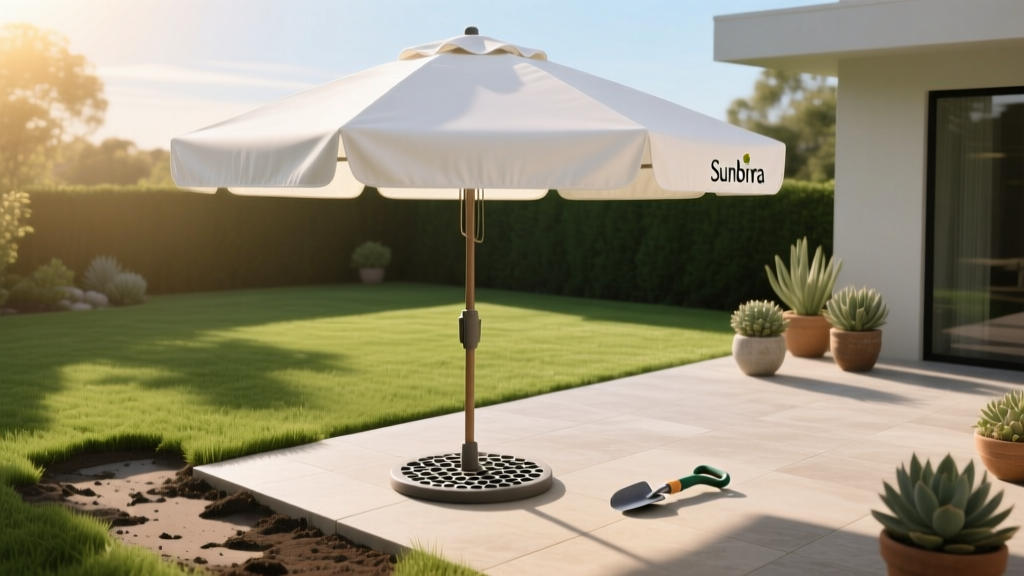
Sunbrella vs Polyester Umbrellas 2026: Core Aeration & Turf Health
David ParkPublished
The Hidden Lawn Care Cost of Your Patio Umbrella
As we navigate the 2026 outdoor living season, the boundary between your patio and your lawn has never been more seamless. Homeowners are investing heavily in garden-to-table setups, outdoor kitchens, and high-end patio furniture. However, as a lawn care specialist focused on soil dynamics and core aeration, I look at these beautiful setups and immediately spot a hidden threat to your turf: the patio umbrella. Specifically, the interplay between the fabric you choose, the shade it casts, and the heavy base that crushes your soil's pore space.
When you place a 9-foot cantilever or market umbrella on the edge of your lawn, you are creating a complex micro-environment. The fabric dictates the light and heat reaching the grass, while the heavy base and surrounding foot traffic lead to severe soil compaction. Today, we are breaking down the ultimate 2026 fabric showdown—Sunbrella acrylic versus treated polyester—strictly through the lens of turf health, UV impact, and the absolute necessity of core aeration to save your compacted patio-edge lawns.
Sunbrella vs. Polyester: The 2026 UV & Fabric Breakdown
Choosing an outdoor umbrella is no longer just about matching your outdoor cushions; it is about managing the solar radiation and heat that reaches your lawn. In 2026, textile manufacturing has advanced, but the fundamental differences between solution-dyed acrylics (like Sunbrella) and polyurethane-coated polyesters remain stark, especially regarding how they affect the turfgrass growing beneath them.
| Feature | Sunbrella (Solution-Dyed Acrylic) | Polyester (PU-Coated / Yarn-Dyed) |
|---|---|---|
| UV Degradation Resistance | Exceptional (Color is locked into the fiber core) | Moderate to Poor (Fades and becomes brittle in 1-2 seasons) |
| Heat Retention & Reflection | Low (Breathable weave dissipates heat) | High (Traps heat, creating a greenhouse effect underneath) |
| Light Diffusion (PAR Penetration) | High (Allows filtered, diffused light to reach turf) | Low (Blocks Photosynthetically Active Radiation entirely) |
| Impact on Turfgrass Health | Supports shade-tolerant grasses with reduced heat stress | Accelerates turf etiolation and fungal disease due to trapped humidity |
| 2026 Average Cost (9ft Market) | $250 - $450 | $60 - $140 |
The Shade Factor: How Canopy Fabrics Impact Turfgrass
To understand why core aeration becomes critical under patio umbrellas, we must first understand the stress the canopy places on the grass. Turfgrass requires Photosynthetically Active Radiation (PAR) to generate energy. When you deploy a cheap, dark-colored polyester umbrella, the PU coating blocks nearly 100% of UV and PAR light while absorbing solar heat. The area beneath the umbrella becomes a dark, humid, and stagnant micro-climate. Cool-season grasses like Fescue or Kentucky Bluegrass will quickly etiolate (stretch and thin) in a desperate search for light, while the trapped humidity invites fungal pathogens like Pythium blight.
Conversely, Sunbrella’s 2026 acrylic weaves are engineered for breathability. Lighter-colored Sunbrella canopies act as a diffuser, scattering harsh UV rays to protect your skin while still allowing a gentle, filtered ambient light to reach the grass below. This diffused light is often enough to sustain shade-tolerant turf varieties. However, even with the superior light diffusion of acrylic fabrics, the physical footprint of your patio setup introduces a much more destructive force: soil compaction.
The Compaction Crisis: Heavy Bases and Foot Traffic
From a core aeration perspective, the fabric on top of the umbrella is only half the battle; the base on the ground is the real enemy. A standard commercial-grade umbrella base weighs between 35 and 50 pounds. Add the weight of a heavy cast-aluminum patio table, four chairs, and the constant foot traffic of family and guests pivoting around the shaded area, and you have a recipe for severe soil compaction.
Healthy soil is composed of roughly 50% solid material and 50% pore space (split between water and oxygen). When heavy umbrella bases and foot traffic compress the soil, the macropores are crushed. According to turfgrass research, compacted soil restricts root growth, limits water infiltration, and starves the soil microbiome of necessary oxygen. The grass beneath and immediately surrounding your umbrella base isn't just dying from shade; it is suffocating from a lack of oxygen and drowning from poor drainage. This is where the mechanical intervention of core aeration becomes non-negotiable for the 2026 lawn care season.
Core Aeration: The Ultimate 2026 Intervention
Core aeration is the process of mechanically removing small plugs of thatch and soil from the lawn to alleviate compaction and allow oxygen, water, and nutrients to reach the root zone. While many homeowners aerate their open lawn spaces, they entirely neglect the "patio transition zones"—the heavily compacted strips of grass where umbrellas, grills, and outdoor dining sets reside.
As noted by the University of Minnesota Extension, core aeration is one of the most effective cultural practices for improving soil physical properties and enhancing turf resilience against environmental stress. For the areas surrounding your outdoor umbrella bases, aeration is the only way to reverse the crushing weight of your outdoor living setup.
Step-by-Step Aeration Around Patio Zones
To properly integrate core aeration into your patio-edge maintenance routine this year, follow these targeted steps:
- Relocate the Hardware: Before aerating, completely remove the umbrella, base, and all patio furniture from the grass. You cannot aerate effectively if the heavy base is still compressing the soil.
- Moisture Calibration: Water the compacted umbrella zone deeply 24 hours before aeration. The soil must be moist enough for the aerator tines to penetrate 3 inches deep, but not so muddy that the plugs smear and seal the holes.
- Double-Pass Technique: Because patio-edge soil is hyper-compacted, make two passes with your core aerator. The first pass should be horizontal, and the second vertical, ensuring you pull a plug every 2 to 3 inches.
- Top-Dress and Overseed: After pulling the cores, rake a thin layer of high-quality compost into the holes. This introduces organic matter to rebuild the destroyed pore space. Follow up by overseeding with a shade-tolerant fescue blend, which will thrive under the diffused light of a Sunbrella canopy.
- Rotate the Base: In 2026, make it a habit to move your heavy umbrella base a few feet every couple of weeks. This distributes the compaction load and gives the previously compressed soil time to recover, especially if you follow up with targeted liquid aeration or manual plug removal.
Choosing the Right Equipment for Tight Patio Corners
One of the challenges of aerating around patio setups is maneuverability. Large, gas-powered walk-behind aerators are often too bulky to navigate tight corners between garden beds and patio slabs. For the 2026 season, I highly recommend utilizing lightweight, battery-powered stand-on micro-aerators or high-quality manual core aerators (foot-pluggers) for these specific high-traffic, shaded zones. Manual aerators allow you to surgically target the exact spots where the umbrella base and chair legs have compacted the soil, without risking damage to your patio pavers or hardscaping.
2026 Maintenance Schedule for Shaded, Compacted Lawns
To maintain a pristine lawn-to-patio transition, sync your umbrella care with your core aeration schedule:
- Early Spring (March/April): Clean your Sunbrella or polyester canopy with a mild soap solution to remove winter pollen and mold, maximizing light diffusion before the peak growing season. Assess patio-edge compaction.
- Early Fall (September/October): This is the prime window for core aeration and overseeding for cool-season grasses. Move all heavy bases, aerate the transition zones, top-dress with compost, and plant shade-tolerant seed. The cooler autumn sun, combined with reduced umbrella usage, will allow the new grass to establish deeply before the next summer.
- Mid-Summer (July): If using a polyester umbrella, be hyper-vigilant for fungal diseases caused by trapped humidity. Raise the canopy height to improve airflow, and consider a manual spot-aeration if water is pooling around the umbrella base after summer thunderstorms.
Final Verdict: Invest in Your Canopy and Your Soil
The debate between Sunbrella and polyester outdoor umbrellas in 2026 is ultimately a choice between micro-climate management and short-term savings. Polyester traps heat, blocks vital light, and accelerates turf decline. Sunbrella’s breathable, UV-stable acrylics provide a healthier, diffused light environment for your lawn. However, no fabric can save grass from the physical crushing weight of heavy patio furniture. By viewing your outdoor living space through the lens of core aeration—regularly relieving the compaction caused by heavy bases and foot traffic—you ensure that your lawn remains a lush, vibrant extension of your home, rather than a muddy, compacted afterthought.
For more in-depth soil science and turf management strategies, refer to the comprehensive guides provided by Penn State Extension regarding soil porosity and long-term lawn health. Treat your soil with the same care you treat your outdoor decor, and your 2026 garden-to-table oasis will thrive from the roots up.
