Home & Garden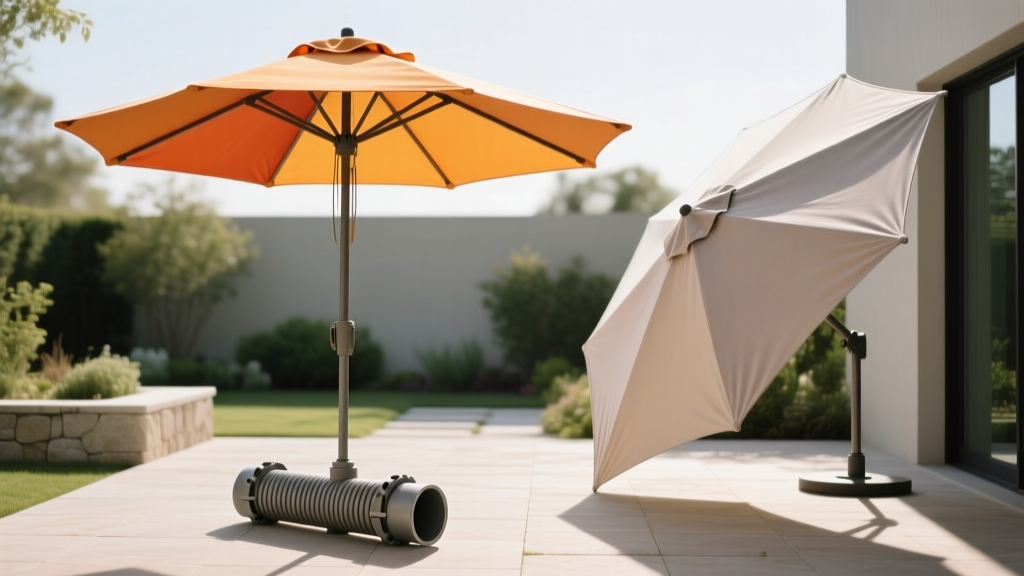
Custom Drainage Pipe Umbrella Base: Sunbrella vs Polyester 2026
David ParkPublished
The Ultimate 2026 DIY Patio Upgrade: Heavy-Duty Bases and Premium Canopies
As outdoor living spaces continue to evolve in 2026, homeowners are increasingly seeking DIY solutions that blend industrial durability with high-end aesthetic comfort. One of the most popular and ingenious hardscape projects trending this year is the custom landscape drainage pipe umbrella base. By repurposing large-diameter PVC or corrugated drainage pipes, DIY enthusiasts can create wind-resistant, immovable patio umbrella anchors for a fraction of the cost of commercial stone or cast-iron bases.
However, securing your umbrella against fierce summer gusts is only half the battle. The canopy fabric you choose must withstand intense ultraviolet radiation, torrential downpours, and fluctuating temperatures. This brings us to the most critical decision for your outdoor oasis: selecting the right fabric. In this comprehensive guide, we will walk you through constructing a drainage pipe umbrella stand and then dive deep into the ultimate textile showdown of 2026: outdoor umbrella Sunbrella fabric vs polyester UV comparison.
Part 1: Building Your Landscape Drainage Pipe Umbrella Base
Standard umbrella stands often tip over in winds exceeding 15 mph. By utilizing landscape drainage pipe, you can create a base that weighs over 80 pounds and features a low center of gravity, effectively anchoring your canopy to the patio.
Materials Needed for the Base
- 12-inch Diameter Landscape Drainage Pipe: Smooth-wall PVC or heavy-duty corrugated pipe (cut to 18 inches in length).
- 1.5-inch PVC Pipe Sleeve: To house the umbrella pole (cut to 20 inches).
- Fast-Setting Concrete Mix: Approximately two 50-lb bags.
- End Cap or Decorative Trim: To seal the top edge and provide a finished look.
- Spray Paint or Exterior Coating: To match your patio decor.
Step-by-Step Construction
First, cut your 12-inch landscape drainage pipe to an 18-inch height using a reciprocating saw. Next, center the 1.5-inch PVC sleeve inside the larger pipe, ensuring it extends slightly above the top rim. You can use wooden shims or temporary tape to hold the inner sleeve perfectly plumb. Mix your fast-setting concrete according to the manufacturer's instructions and carefully pour it into the drainage pipe, vibrating the sides to eliminate air pockets. Allow the concrete to cure for at least 48 hours. Once cured, remove the shims, paint the exterior of the drainage pipe to mimic stone or match your outdoor furniture, and insert your umbrella pole into the sleeve. You now have a virtually indestructible foundation.
Part 2: The Canopy Conundrum: Sunbrella vs. Polyester in 2026
With your heavy-duty landscape drainage pipe base securing the pole, the fabric suspended above it must be equally resilient. The sun's ultraviolet (UV) rays are the primary enemy of outdoor textiles, causing photodegradation that leads to fading, fiber weakening, and eventual tearing. When shopping for replacement canopies or custom-sewn umbrellas in 2026, the market is dominated by two main contenders: solution-dyed acrylic (best known by the brand name Sunbrella) and piece-dyed polyester. Understanding the science behind these materials is crucial for long-term satisfaction.
Understanding UV Degradation and the EPA's UV Index
Ultraviolet radiation breaks down the chemical bonds in polymer chains, a process known as photodegradation. According to the Environmental Protection Agency (EPA), UV levels can reach extreme highs during the summer months, rapidly accelerating the aging process of outdoor fabrics. The way a fabric is dyed and treated dictates its ability to absorb or reflect these destructive rays without compromising its structural integrity.
Sunbrella: The Solution-Dyed Acrylic Standard
Sunbrella fabric is manufactured using a solution-dyeing process. This means the color pigment is added to the liquid acrylic polymer before the fiber is even extruded. Think of it like a carrot: the color goes all the way through to the core. Because the UV-resistant pigments are locked inside the fiber, Sunbrella offers unparalleled resistance to fading. The official Sunbrella outdoor fabric division notes that their textiles are engineered to withstand thousands of hours of direct sunlight without significant color loss, which is why they remain the gold standard for marine and high-end residential applications in 2026.
Polyester: The Budget-Friendly Alternative
Polyester outdoor fabrics are typically piece-dyed. The raw, white polyester yarn is woven into fabric first, and then the entire sheet is dipped into a vat of dye and chemical UV inhibitors. Think of this like a radish: the color is only on the surface. While modern polyester treatments have improved significantly by 2026, the UV inhibitors eventually wash out or break down, leaving the core fiber vulnerable to sun damage. Polyester is highly durable against physical tearing and is generally more affordable upfront, but it requires more frequent replacement in high-sun environments.
Feature Comparison: Sunbrella vs. Polyester
To help you decide which fabric to mount on your new drainage pipe umbrella base, review the head-to-head comparison table below based on 2026 industry standards.
| Feature | Sunbrella (Solution-Dyed Acrylic) | Outdoor Polyester (Piece-Dyed) |
|---|---|---|
| UV Resistance | Exceptional (Colorfast for 5-10+ years) | Moderate to Good (Fades in 1-3 years) |
| Water Repellency | High (Fluorocarbon finish applied) | Very High (Naturally hydrophobic) |
| Breathability | Excellent (Prevents heat trapping) | Poor (Can trap heat underneath) |
| Mold & Mildew | Resistant (Does not absorb moisture) | Susceptible if dirt accumulates on coating |
| Cleaning Ease | Can be cleaned with bleach solutions | Bleach will strip dye and UV coatings |
| 2026 Avg Cost | $35 - $60+ per yard | $12 - $25 per yard |
Water Resistance, Mold, and Maintenance Realities
While UV resistance is paramount, your umbrella will also face rain, humidity, and organic debris like pollen and tree sap. Polyester is naturally hydrophobic, meaning water beads up and rolls off easily right out of the box. However, as the factory-applied DWR (Durable Water Repellent) coating wears off from friction and weather, the fabric can begin to absorb water, leading to mold growth on the surface dirt.
Sunbrella acrylic fibers are inherently breathable and do not absorb water into the core of the fiber. While water may bead on the surface finish, the fabric allows air to pass through, which helps the canopy dry rapidly and prevents the buildup of trapped moisture that leads to mildew. Furthermore, testing methodologies evaluated by organizations like the American Association of Textile Chemists and Colorists (AATCC) consistently show that solution-dyed acrylics maintain their structural integrity and colorfastness even after repeated exposure to harsh cleaning agents, whereas polyester degrades when exposed to bleach or strong alkaline cleaners.
Cost Analysis: Is the Sunbrella Premium Worth It?
In 2026, a standard 9-foot patio umbrella canopy made from premium Sunbrella fabric will typically cost between $150 and $250 as a replacement part, whereas a polyester equivalent might cost $60 to $90. If you are commissioning a custom canopy to fit a unique frame, the per-yard cost difference becomes even more pronounced. However, when you factor in the lifespan, the math shifts in favor of acrylic. Replacing a faded, brittle polyester canopy every two seasons ultimately costs more and generates more landfill waste than investing in a single Sunbrella canopy that will easily last a decade. When paired with your permanent, concrete-filled landscape drainage pipe base, a Sunbrella canopy ensures your entire patio setup remains a 'buy it for life' investment.
Environmental Impact and Sustainability
Sustainability is a major focus for homeowners in 2026. Sunbrella has made significant strides in its Renaissance yarn program, which reclaims post-industrial acrylic fibers to create new fabrics, reducing waste and energy consumption. Polyester, while recyclable in theory, often ends up in landfills when blended with chemical UV coatings and dyes, making it difficult to separate and process at end-of-life. Choosing a longer-lasting fabric inherently reduces your carbon footprint by minimizing the manufacturing and shipping cycles associated with frequent replacements.
Final Verdict for Your DIY Patio Setup
Combining a heavy-duty landscape drainage pipe umbrella base with the right canopy fabric is the ultimate recipe for a stress-free outdoor living space. The drainage pipe base guarantees your umbrella will not become a dangerous projectile during summer thunderstorms, providing peace of mind and unparalleled stability. For the canopy, while polyester offers an attractive entry-level price point and excellent initial water resistance, Sunbrella's solution-dyed acrylic remains the undisputed champion of UV protection, breathability, and long-term value. By investing in premium fabric and a rock-solid DIY base, you are ensuring that your patio remains a comfortable, vibrant sanctuary for years to come.
