Home & Garden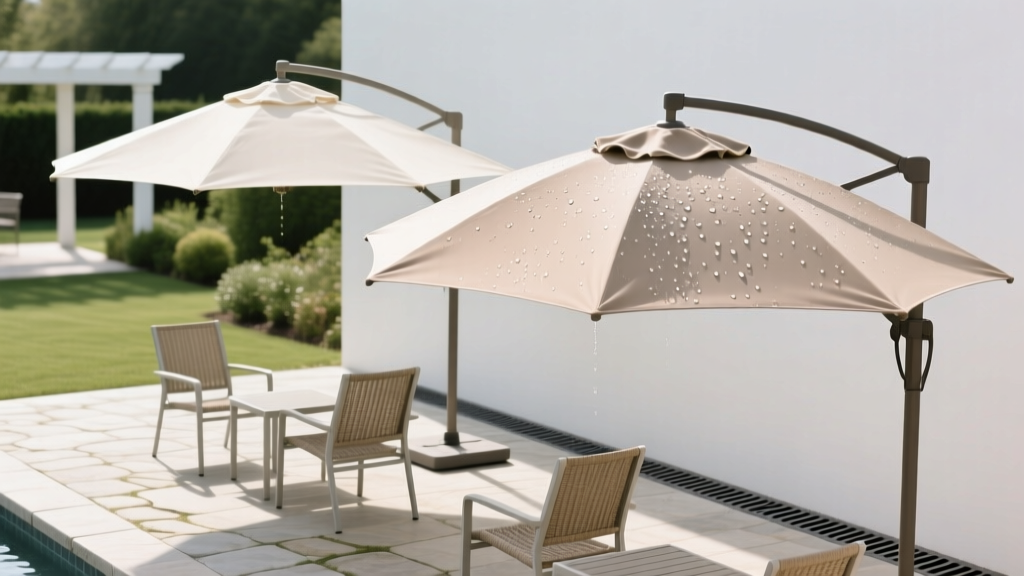
Sunbrella vs Polyester Umbrellas 2026: A Patio Pro Guide
Robert HayesPublished
The Patio Envelope: Subsurface Drainage Meets Overhead Shade
As a French drain installation contractor, my days are spent in the trenches—literally. I dig channels, lay perforated pipes, and backfill with washed gravel to ensure that subsurface water flows safely away from your home’s foundation and hardscapes. But in 2026, protecting your outdoor living space requires a holistic approach that we in the industry call the 'Patio Envelope.' While my French drains handle the hydrostatic pressure and surface runoff from below, your outdoor umbrella handles the relentless UV radiation and precipitation from above. Today, we are bridging the gap between subsurface drainage and overhead shade by comparing the two titans of outdoor umbrella fabrics: Sunbrella (solution-dyed acrylic) and standard polyester.
Why a French Drain Expert Cares About Umbrella Fabric
You might wonder why a drainage specialist is writing about patio umbrella fabrics. The answer is simple: water management and material preservation are two sides of the same coin. When I install a comprehensive French drain system to save a stamped concrete patio from frost heave and pooling, the last thing I want to see is the homeowner’s expensive teak dining set ruined by a degrading, leaky polyester umbrella.
Standard polyester umbrellas often suffer from severe UV degradation within a single season of intense 2026 summer heatwaves. The fabric becomes brittle, and microscopic tears allow rainwater to drip directly onto your outdoor furniture. Furthermore, when an umbrella canopy fails to shed water properly, it creates localized pooling on the patio surface below, overwhelming the very surface grading and drainage systems I just installed. By understanding the UV and water-resistant properties of your shade structures, you ensure that the investment in your outdoor space—both below and above ground—pays off for decades.
Sunbrella (Solution-Dyed Acrylic): The 2026 Gold Standard
Sunbrella is widely considered the gold standard for outdoor fabrics, and for good reason. The secret lies in its manufacturing process. Sunbrella is a solution-dyed acrylic, meaning the color pigment is added to the liquid polymer before it is extruded into a fiber. Think of it like a carrot: the color goes all the way through to the core.
Unmatched UV Resistance
Because the pigment is locked inside the fiber, Sunbrella is virtually immune to UV fading. According to the Skin Cancer Foundation, proper shade structures are a critical component of daily sun safety, and Sunbrella fabrics are recognized for blocking up to 98% of the sun's harmful UV rays. This means the fabric won't become brittle and tear, ensuring that water continues to bead and roll off the canopy rather than dripping onto your patio.
Water Repellency vs. Waterproofing
It is crucial to understand that Sunbrella is water-repellent, not entirely waterproof. It is treated with a fluorocarbon finish that causes water to bead up and roll off. This breathability is actually a benefit; it prevents the trapping of moisture and heat underneath the canopy, which can otherwise lead to mold growth on the furniture below. Just as a French drain relies on geotextile filter fabric to allow water through while blocking soil, Sunbrella's tight weave manages water effectively without creating a suffocating microclimate.
Standard Polyester: The Budget Trap
Walk into any big-box store in 2026, and you will be greeted by rows of vibrantly colored polyester outdoor umbrellas at a fraction of the cost of acrylic alternatives. However, standard polyester is piece-dyed. The fabric is woven first and then dipped in a vat of dye. Think of it like a radish: the color is only on the outside, while the core remains white.
The UV Degradation Cycle
When exposed to direct sunlight, UV rays rapidly break down the chemical bonds of the surface dye and the polymer chains of the polyester itself. Within a few months, the vibrant colors fade to a dull, chalky hue. More importantly, the fabric loses its tensile strength. The wind catches the weakened canopy, leading to rips and tears at the stress points near the umbrella ribs.
The Waterproofing Illusion
To compensate for polyester's natural lack of water resistance, manufacturers often apply heavy polyurethane (PU) or PVC backings. While this makes the umbrella temporarily 'waterproof,' these coatings trap immense amounts of heat. In the peak of summer, these coatings can become tacky, emit a plastic odor, and eventually crack or peel, completely destroying the umbrella's ability to shed water. When that happens, the resulting deluge of rainwater can wash away joint sand from your pavers, undermining the base preparation that my drainage systems rely on to keep the patio level.
Head-to-Head Comparison Chart
| Feature | Sunbrella (Acrylic) | Standard Polyester |
|---|---|---|
| Dye Method | Solution-dyed (core) | Piece-dyed (surface) |
| UV Protection | Up to 98% UV block | Low to Moderate (degrades) |
| Fade Warranty | 5 Years | Rarely exceeds 1 Year |
| Water Management | Water-repellent, breathable | Coated, traps heat, cracks |
| 2026 Avg Cost (9ft) | $450 - $900+ | $80 - $180 |
| Cleaning Tolerance | High (bleach safe) | Low (harsh chemicals strip dye) |
The True Cost of Ownership in 2026
When planning an outdoor renovation, I always urge my clients to look at the Total Cost of Ownership (TCO). A heavy-duty French drain system is an investment that should last 20 to 30 years. Your patio furniture and shade structures should be viewed through a similar long-term lens.
Let us break down the math for a standard 9-foot market umbrella. A high-quality aluminum-framed umbrella with a Sunbrella canopy will cost around $600 in 2026. If the canopy eventually gets damaged by a severe storm in year four, you can simply order a replacement Sunbrella canopy for about $150, sliding it right onto your existing frame.
Conversely, a $120 polyester umbrella will likely need to be entirely replaced every 12 to 18 months due to fading, tearing, or peeling coatings. Over a five-year period, you will spend nearly the same amount on disposable polyester umbrellas, while simultaneously dealing with the frustration of water dripping onto your cushions and the hassle of constantly disposing of broken metal frames. According to the EPA's WaterSense program, outdoor water use and landscape management are vital for environmental conservation; throwing away degraded synthetic polyester fabrics every year contributes unnecessarily to landfill waste, whereas Sunbrella offers a recyclable and highly durable fabric alternative that aligns with sustainable home maintenance practices.
Maintenance, Cleaning, and Water Runoff
Proper maintenance of your umbrella canopy ensures that water continues to shed correctly, directing runoff toward the permeable edges of your patio where your French drain catch basins are waiting to intercept it.
- Sunbrella Maintenance: Because the color is solid throughout, you can clean tough stains, mildew, and even tree sap using a solution of mild soap and water, or a diluted bleach solution for stubborn organic growth. The bleach will not strip the color, and reapplying a fabric guard like 303 High Tech Fabric Guard annually will restore the water-beading fluorocarbon finish.
- Polyester Maintenance: You must be incredibly gentle with polyester. Harsh chemicals, scrubbing brushes, or bleach will instantly strip the surface dye and destroy the waterproof PU backing. Once the backing is compromised, the umbrella becomes a giant sponge, holding moisture that breeds mildew and drips continuously long after the rain has stopped.
Final Verdict from the Trenches
When I finish backfilling a French drain trench and compact the topsoil, I take pride in knowing the homeowner's hardscape is protected from the invisible threats of hydrostatic pressure and soil erosion. But a patio is more than just concrete and gravel; it is an outdoor living room.
If you have invested in proper subsurface drainage, high-quality pavers, and premium outdoor furniture, do not sabotage your project by capping it with a cheap polyester umbrella. The UV degradation and inevitable water leakage of budget fabrics will undo the comfort and protection of your patio. In 2026, choosing a Sunbrella acrylic canopy is not just an aesthetic upgrade; it is a critical structural decision for the longevity of your outdoor investments. Protect your space from the ground up, and from the sky down.
