
Landscaping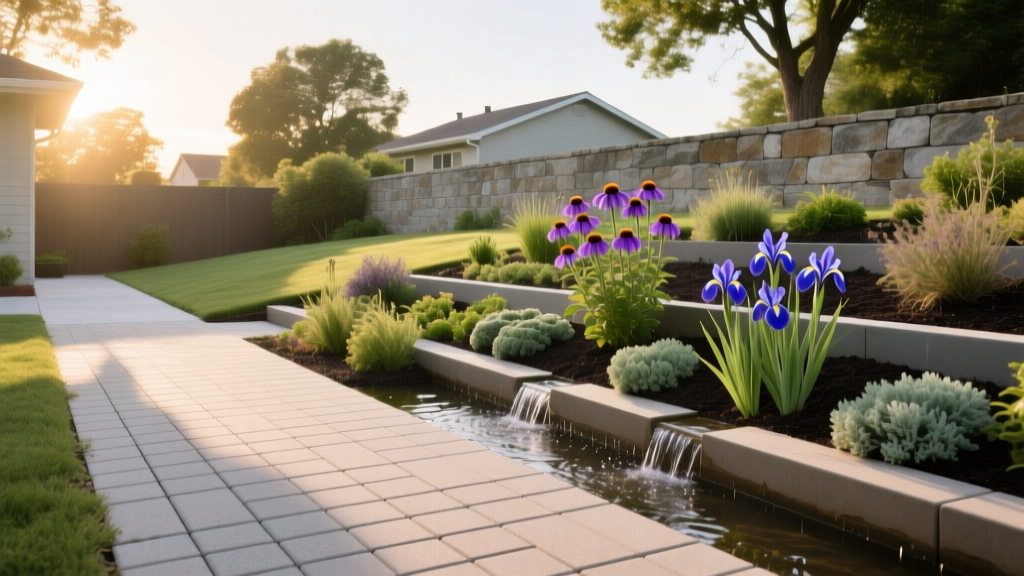
Sustainable Hardscaping: Permeable Pavers & Rain Gardens
Anna KowalskiPublished
The Hidden Environmental Cost of Traditional Hardscaping
When planning an outdoor living space, driveway, or patio, most homeowners default to traditional materials like poured concrete or asphalt. While durable, these impermeable surfaces create significant environmental challenges. During heavy rainfall, water cannot penetrate these surfaces, leading to rapid stormwater runoff. This runoff picks up pollutants such as motor oil, fertilizers, and heavy metals, channeling them directly into local waterways. According to the Environmental Protection Agency (EPA), managing stormwater through green infrastructure is critical for reducing water pollution, mitigating urban heat islands, and preventing localized flooding.
Furthermore, impermeable surfaces absorb and retain heat, contributing significantly to the urban heat island effect. This phenomenon raises local ambient temperatures, increasing energy costs for cooling homes and stressing local ecosystems. By choosing light-colored, permeable materials and surrounding them with lush, transpiring vegetation, you naturally cool your microclimate. Transitioning to eco-friendly and sustainable landscaping methods is no longer just a niche trend; it is a necessary step toward ecological stewardship. By integrating permeable pavers with strategically placed rain gardens, you can transform your hardscaping projects into functional, beautiful, and highly sustainable drainage solutions that protect your local watershed.
Permeable Pavers: Engineering a Sustainable Surface
Permeable interlocking concrete pavers (PICP) are designed with wider joints than standard pavers. These joints are filled with small, uniform aggregate rather than sand, allowing water to flow freely through the surface and into a specially engineered base layer below. Brands like Belgard (with their Aqua-Bric line) and Pavestone offer highly durable permeable options that can withstand vehicular traffic while maintaining an elegant aesthetic.
The Anatomy of a Permeable Patio Installation
Installing a permeable hardscape requires precise excavation and layering to ensure structural integrity and optimal drainage. Unlike traditional patios that require a compacted sand base, permeable systems rely on open-graded, crushed stone.
- Excavation: Dig down 15 to 18 inches, depending on your local soil percolation rate and frost line.
- Sub-base Layer: Add a 6 to 8-inch layer of 2-inch to 3-inch open-graded, washed crushed stone. This layer acts as a primary reservoir for stormwater.
- Base Layer: Apply a 4 to 6-inch layer of 3/4-inch open-graded crushed stone, compacting it with a plate compactor.
- Bedding Layer: Spread a 2-inch layer of 3/8-inch clean, washed crushed stone (often called ASTM No. 8 stone). Do not use sand, as it will clog the joints.
- Pavers and Joint Fill: Lay the permeable pavers and fill the joints with 1/8-inch aggregate, sweeping it in and compacting the surface to lock the stones in place.
The cost for professional installation of permeable pavers typically ranges from $12 to $25 per square foot, which is roughly 20% to 30% more expensive than standard concrete. However, many municipalities offer rebates or reduced stormwater utility fees for properties that implement permeable surfaces, offsetting the initial investment over time.
Integrating a Rain Garden: The Perfect Drainage Partner
While permeable pavers handle surface infiltration, directing the overflow from your roof downspouts and driveway edges into a rain garden creates a comprehensive sustainable drainage system. A rain garden is a shallow, planted depression designed to capture, hold, and naturally filter stormwater before it slowly percolates into the groundwater table.
According to experts at Penn State Extension, a well-designed rain garden can remove up to 90% of nutrients and chemicals and up to 80% of sediments from stormwater runoff. To build one, you must first determine the drainage area and conduct a simple percolation test to ensure your native soil can absorb water within 24 to 48 hours.
Soil Preparation and Sizing
The ideal rain garden soil mix, often called a bioretention mix, consists of 50% coarse sand, 25% topsoil, and 25% compost. This mixture ensures rapid drainage while providing enough organic matter to support robust plant growth. The garden should be sized to capture the first inch of rainfall from your contributing impervious surfaces (like your roof or new patio). For most residential lots, a rain garden measuring 150 to 300 square feet is sufficient.
To conduct a percolation test, dig a hole 12 inches deep and 6 inches wide. Fill it with water and let it drain completely to saturate the soil. Refill it to the top and measure how long it takes for the water level to drop. Ideally, the water should drop at a rate of at least one inch per hour. If your soil is heavy clay and drains slower than this, you may need to amend the native soil more aggressively or install an underdrain pipe connected to a dry well.
Pro Tip: Always position your rain garden at least 10 feet away from your home's foundation and avoid placing it over a septic system or underground utilities to prevent structural damage and water intrusion.
Selecting Native Plants for Eco-Friendly Filtration
The key to a low-maintenance, sustainable rain garden is utilizing deep-rooted native plants. These plants act as biological filters, their roots breaking up the soil to increase infiltration while absorbing excess nitrogen and phosphorus. The Harvard University Arboretum highly recommends native species that can tolerate both temporary flooding and periods of drought.
- Swamp Milkweed (Asclepias incarnata): Thrives in the wetter center of the garden and provides essential habitat for Monarch butterflies.
- Blue Flag Iris (Iris versicolor): Features stunning spring blooms and a dense root system excellent for soil stabilization.
- Joe-Pye Weed (Eutrochium purpureum): A tall, structural plant that attracts pollinators and tolerates the fluctuating moisture levels at the garden's edges.
- New England Aster (Symphyotrichum novae-angliae): Provides late-season color and requires minimal supplemental watering once established.
Cost and ROI: Traditional vs. Sustainable Landscaping
When evaluating landscaping projects, it is essential to look beyond the initial installation costs and consider the long-term environmental and financial return on investment (ROI). Below is a comparison chart detailing the differences between standard hardscaping and eco-friendly alternatives.
| Feature | Traditional Concrete Patio | Permeable Pavers + Rain Garden |
|---|---|---|
| Material Cost (per sq. ft.) | $8 - $12 | $15 - $25 (Pavers) / $5 - $10 (Garden) |
| Stormwater Management | Poor (Increases runoff) | Excellent (Captures and filters 100% of surface water) |
| Lifespan | 25 - 30 years (Prone to cracking) | 40+ years (Individual pavers can be replaced) |
| Winter Maintenance | Requires heavy de-icing salts | Requires less salt; aggregates provide natural traction |
| Municipal Incentives | None | Eligible for stormwater rebates and tax credits |
Long-Term Maintenance for Sustainable Hardscapes
Eco-friendly landscaping is designed to be low-maintenance, but it is not zero-maintenance. To keep your permeable pavers functioning correctly, the joints must remain free of fine debris, dirt, and organic matter that can clog the infiltration pathways.
- Annual Vacuum Sweeping: Use a specialized permeable paver vacuum or a stiff-bristled broom to remove fine sediment from the joints every spring and fall.
- Avoid Fine Mulch: Never use fine wood mulch or stone dust near permeable surfaces, as these materials will wash into the joints during heavy rains and cause clogging.
- Rain Garden Weeding: In the first two years, hand-weed your rain garden to prevent invasive species from outcompeting your native plantings. Once established, the dense root systems of native plants will naturally suppress most weeds.
- Sediment Removal: Inspect the inlet of your rain garden annually. If sediment from the downspout or driveway has built up, scrape away the top inch of soil and replace it with fresh compost to maintain optimal filtration.
Conclusion: Building a Legacy of Environmental Stewardship
Embracing eco-friendly and sustainable methods in your landscaping projects does more than just elevate your curb appeal; it actively heals the local environment. By replacing impermeable concrete with permeable pavers and integrating a native rain garden, you create a stunning outdoor living space that works in harmony with nature. You will reduce localized flooding, eliminate toxic runoff, and provide vital habitats for local pollinators. As sustainable landscaping practices continue to evolve, your yard will stand as a beautiful, functional testament to responsible environmental stewardship.

