Lawn Care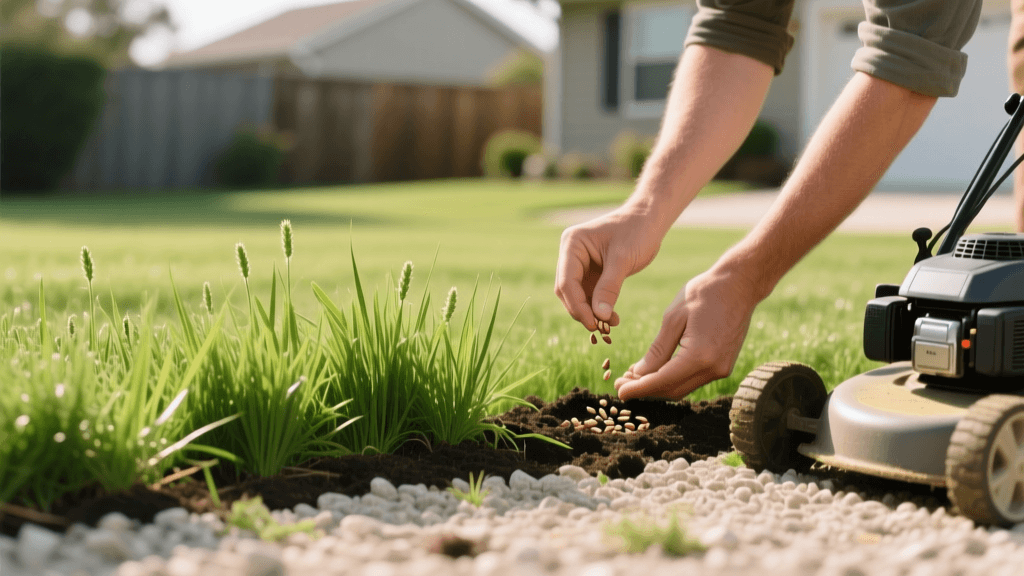
Tall Fescue Lawn Care: A Beginner's Growing Guide
Introduction to Tall Fescue
Starting a new lawn or renovating an existing one can feel overwhelming for beginners, but selecting the right grass species makes all the difference. Tall fescue ('Festuca arundinacea') is widely considered one of the most resilient, adaptable, and beginner-friendly cool-season grasses available on the market. Whether you are dealing with heavy clay soil, partial shade, or high foot traffic from children and pets, tall fescue is equipped to handle the challenge. This comprehensive growing guide will walk you through everything you need to know about planting, nurturing, and maintaining a lush, dark green tall fescue lawn from seed to maturity.
Why Choose Tall Fescue for Your Lawn?
Unlike Kentucky bluegrass, which spreads via underground rhizomes, tall fescue is a bunch-type grass. This means it grows in clumps and relies on vertical tillers rather than horizontal runners. Modern turf-type and dwarf turf-type tall fescue varieties have been bred to exhibit a finer blade texture, deeper green color, and improved disease resistance compared to older forage varieties like Kentucky 31. According to Clemson University's Home and Garden Information Center, tall fescue boasts the deepest root system of all cool-season turfgrasses, often reaching depths of two to three feet. This extensive root network provides exceptional drought tolerance and heat resilience, making it an ideal choice for the transitional climate zones of the United States where summers are hot and winters are moderately cold.
Step 1: Soil Preparation and Testing
The secret to a thriving tall fescue lawn lies beneath the surface. Before you purchase a single bag of seed, you must understand your soil's composition and nutrient profile. Begin by purchasing a basic soil test kit from your local university extension office or a reputable garden center. These tests typically cost between $15 and $30 and will provide a detailed report on your soil's pH and macronutrient levels.
Tall fescue thrives in soil with a pH between 6.0 and 7.0. If your soil is too acidic (below 6.0), you will need to apply pelletized lime to raise the pH. If it is too alkaline, elemental sulfur may be required. Once you have your soil test results, prepare the seedbed by clearing the area of existing weeds, rocks, and debris. Use a rototiller to loosen the top four to six inches of soil. Incorporate a one-inch layer of organic compost to improve soil structure, drainage, and microbial activity. Rake the area smooth, ensuring a slight slope away from your home's foundation to promote proper water runoff.
Step 2: Seeding Your Tall Fescue Lawn
Timing is critical when planting cool-season grasses. The absolute best time to seed tall fescue is in early fall, typically between late August and mid-October, depending on your specific hardiness zone. Fall planting allows the grass to establish a robust root system before the stress of summer heat. Spring seeding is possible but highly discouraged for beginners, as young seedlings will struggle to survive summer droughts and will face fierce competition from spring-germinating weeds like crabgrass.
When purchasing seed, look for a high-quality turf-type tall fescue blend rather than a single cultivar. Blends offer genetic diversity, which protects your lawn from being wiped out by a single disease or pest. Expect to pay between $4 and $8 per pound for premium seed. For a brand-new lawn, apply seed at a rate of 6 to 8 pounds per 1,000 square feet. If you are overseeding an existing thin lawn, reduce the rate to 3 to 5 pounds per 1,000 square feet. Use a broadcast spreader for even application, splitting your seed in half and applying it in two perpendicular passes to ensure uniform coverage.
Step 3: The Germination Timeline and Early Care
Once the seed is down, your primary job is to manage moisture. Tall fescue seeds require consistent moisture to germinate and will fail if the seedbed dries out completely. Immediately after seeding, apply a starter fertilizer with a high phosphorus content (such as a 10-18-10 NPK ratio) to encourage rapid root development. Water the seeded area lightly two to three times a day for the first two weeks. As NC State University's TurfFiles extension notes, keeping the top inch of soil consistently moist is the key to successful germination.
- Days 1 to 7: Seeds absorb moisture and swell. Keep soil moist but not waterlogged to prevent seed rot.
- Days 7 to 14: Germination occurs. You will see tiny green shoots emerging from the soil. Continue light, frequent watering.
- Days 15 to 21: Seedlings establish their first true leaves. Begin to taper off watering frequency but increase the duration to encourage deeper root growth.
- Days 21 to 30: The lawn is ready for its first mowing once the grass reaches a height of about 3.5 to 4 inches.
Tall Fescue Seasonal Maintenance Calendar
Maintaining a tall fescue lawn requires a seasonal approach tailored to its cool-season growth habits. The following table outlines the core maintenance tasks you should perform throughout the year to keep your lawn healthy and vibrant.
| Season | Primary Focus | Mowing Height | Fertilization & Weed Control |
|---|---|---|---|
| Spring | Crabgrass prevention, light feeding, and disease monitoring. | 3.0 - 4.0 inches | Apply pre-emergent herbicide when soil reaches 55°F. Light nitrogen application (0.5 lbs per 1,000 sq ft) in late spring if needed. |
| Summer | Drought management, pest control, and stress reduction. | 3.5 - 4.5 inches | No fertilization. Raise mowing height to shade soil. Water deeply and infrequently (1 to 1.5 inches per week). |
| Fall | Core aeration, overseeding, and heavy fertilization. | 3.0 - 4.0 inches | Core aerate and overseed in early fall. Apply 1.0 to 1.5 lbs of nitrogen per 1,000 sq ft in September and again in November. |
| Winter | Dormancy care, debris removal, and equipment maintenance. | Leave at 3.0 inches | Avoid walking on frozen grass. Clean and sharpen mower blades for the upcoming spring season. |
Mowing and Watering Best Practices
One of the most common questions beginners ask is how short to cut their grass. For tall fescue, the golden rule is to never remove more than one-third of the grass blade in a single mowing session. During the active growth periods of spring and fall, maintain a mowing height of 3 to 4 inches. In the heat of summer, raise your mower deck to 4 or even 4.5 inches. Taller grass shades the soil surface, which reduces water evaporation, keeps the root zone cooler, and naturally suppresses weed seed germination.
When it comes to irrigation, tall fescue requires about 1 to 1.5 inches of water per week during the active growing season. Instead of watering a little bit every day, practice deep and infrequent watering. Apply roughly half an inch of water twice a week. This forces the grass roots to grow deeper into the soil profile in search of moisture, resulting in a vastly more drought-tolerant lawn. Use a simple rain gauge or a tuna can placed on the lawn to measure exactly how much water your sprinkler system is outputting.
Common Beginner Mistakes to Avoid
Even with the best intentions, new lawn care enthusiasts often fall into a few predictable traps. The first major mistake is over-fertilizing in the spring. Pushing heavy nitrogen onto tall fescue in May or June causes rapid, succulent top growth at the expense of root development, leaving the lawn highly susceptible to summer brown patch disease and grub damage. According to Penn State Extension, the vast majority of a cool-season lawn's annual nitrogen should be applied in the fall months when the grass is actively storing carbohydrates for winter survival and spring green-up.
Another frequent error is ignoring soil compaction. Tall fescue roots need oxygen to thrive. If your lawn experiences heavy foot traffic, the soil will become compacted over time, choking the roots and causing water to pool on the surface. Renting a core aerator every fall (typically costing around $60 to $80 for a half-day rental) pulls small plugs of soil from the ground, relieving compaction and creating the perfect environment for overseeding and fertilizer absorption.
Finally, do not scalp your lawn. Cutting tall fescue down to two inches or less will expose the soil to direct sunlight, inviting a host of broadleaf weeds and invasive grasses. Keep your blades sharp to ensure a clean cut; dull mower blades tear the grass tissue, resulting in a grayish, ragged appearance and opening the door for fungal pathogens.
Final Thoughts on Growing Tall Fescue
Establishing and maintaining a tall fescue lawn is a highly rewarding endeavor that does not require a professional landscaping degree. By focusing on proper soil preparation, adhering to a fall-centric fertilization schedule, and maintaining a high mowing height, you will cultivate a dense, durable, and beautiful lawn that enhances your property for years to come. Remember that lawn care is a marathon, not a sprint. Be patient with the germination process, stay vigilant with your watering schedule during the first crucial month, and always let the changing seasons dictate your maintenance routine. With these beginner-friendly practices in your toolkit, your tall fescue lawn will quickly become the envy of the neighborhood.