Home & Garden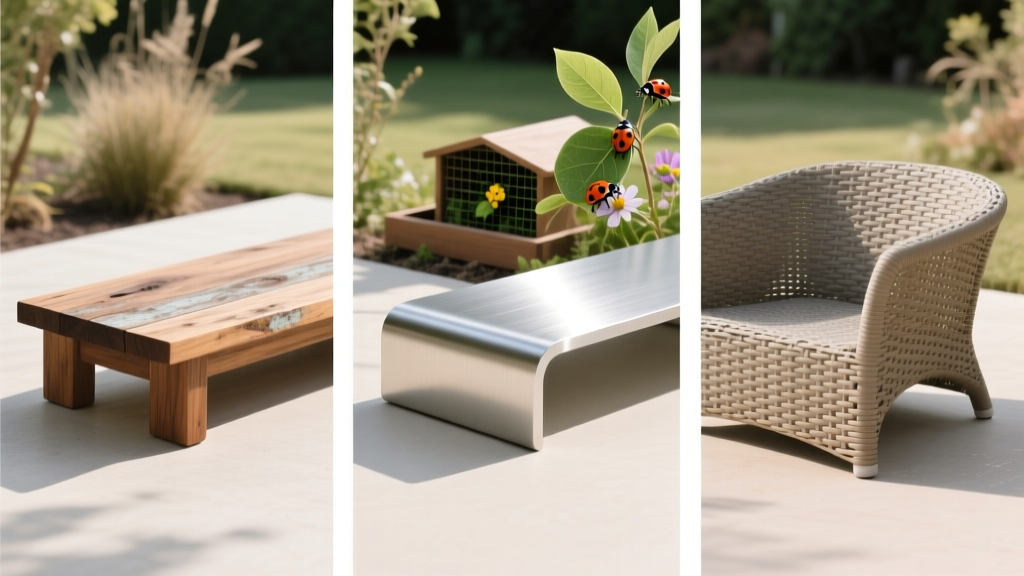
Teak vs Aluminum vs Resin Wicker: 2026 Durability & Bio-Control
David ParkPublished
The Rise of Ecosystem-Integrated Patios in 2026
As we navigate the 2026 landscaping season, the concept of the "sterile patio" is officially dead. Modern homeowners are actively integrating their outdoor living spaces with bio-control gardens, utilizing natural predators like ladybugs, green lacewings, and parasitic wasps to manage pests without resorting to broad-spectrum chemical pesticides. However, a critical and often overlooked component of this ecosystem approach is the outdoor furniture itself. The materials you choose for your seating, dining sets, and loungers—specifically teak, aluminum, and resin wicker—do more than just dictate your patio's aesthetic and durability. They actively influence the microclimates, overwintering habitats, and foraging corridors of the beneficial insects that keep your garden thriving.
When placing furniture near pollinator borders or bio-control zones, understanding how different surfaces interact with organic matter, moisture, and insect life is paramount. According to The Xerces Society for Invertebrate Conservation, creating undisturbed micro-habitats and avoiding toxic surface treatments are foundational steps in supporting local invertebrate populations. In this comprehensive 2026 guide, we evaluate the long-term durability of teak, aluminum, and resin wicker through the specialized lens of beneficial insect conservation and biological pest control.
Teak Wood: Natural Oils, Crevices, and Overwintering Refuges
Grade-A plantation teak remains a premium choice for outdoor furniture in 2026, celebrated for its exceptional longevity and natural resistance to rot. The USDA Forest Products Laboratory notes that teak's high concentration of natural oils and tectones inherently repels wood-boring pests and fungal decay, allowing the wood to last 50 years or more with minimal intervention. But how does this impact your bio-control garden?
From an entomological perspective, aging teak is a powerhouse for beneficial insect habitats. As teak weathers to its signature silver-gray patina, it develops microscopic checks and crevices. These natural fissures serve as critical overwintering refuges for predatory insects. Convergent lady beetles (Hippodamia convergens) and various species of ground beetles (Carabidae) frequently seek out the dry, sheltered crevices of untreated teak furniture to survive the winter months. By leaving your teak furniture in or near the garden year-round, you are essentially providing free, high-quality overwintering real estate for your garden's natural pest-control agents.
However, the 2026 market is flooded with "teak sealers" and polyurethane-based wood protectants designed to maintain the wood's golden-brown hue. If you are managing a bio-control garden, you must avoid these synthetic sealers. Not only do they trap moisture and eventually peel, but their volatile organic compounds (VOCs) and chemical off-gassing can be toxic to sensitive beneficial insects, particularly predatory mites like Phytoseiulus persimilis, which are vital for controlling spider mite outbreaks in nearby ornamental beds. To maintain teak safely, rely on its natural oils and clean it only with a stiff brush and mild, eco-safe castile soap.
Aluminum Framing: The Inert Champion of Chemical-Free Zones
Extruded, powder-coated aluminum has dominated the 2026 outdoor furniture market due to its lightweight nature, rust-proof properties, and sleek modern profiles. High-quality aluminum frames coated with UV-resistant polyester powders can easily withstand 20 to 30 years of harsh sun and rain without degrading. Unlike organic materials, aluminum is entirely inert, meaning it does not decompose, harbor fungi, or provide a food source for detritivores.
For the bio-control enthusiast, aluminum's inertness is its greatest asset. Because it does not require seasonal oiling, staining, or chemical weather-proofing, aluminum furniture can be placed directly inside dense bio-control corridors without the risk of contaminating the soil or harming foraging pollinators. Furthermore, aluminum frames are incredibly easy to clean. If your furniture becomes dusted with aphid honeydew or sooty mold spores blown in from a nearby infested tree, you can blast it with a high-pressure hose or wipe it down with a simple vinegar solution without worrying about damaging the material or leaving toxic residues that might harm visiting lacewings or parasitic wasps.
One minor drawback from a biological standpoint is that aluminum offers zero structural habitat for beneficial insects. Its smooth, non-porous surface provides no grip for climbing predators and no crevices for overwintering. Therefore, if you choose aluminum dining sets or loungers, you must compensate by ensuring your surrounding garden features ample alternative habitats, such as undisturbed leaf litter, insect hotels, and native bunchgrasses, as recommended by University of California Integrated Pest Management (UC IPM).
Resin Wicker: Synthetic Weaves as Predator Habitats
Resin wicker, specifically High-Density Polyethylene (HDPE) woven over aluminum frames, offers the classic aesthetic of traditional rattan but with vastly superior 2026 weather resistance. HDPE is UV-stabilized, waterproof, and immune to the rot and insect damage that plagues natural cane. A high-quality HDPE wicker set will comfortably last 15 to 20 years in direct sunlight without becoming brittle or fraying.
The complex, woven texture of resin wicker creates a fascinating micro-environment for invertebrates. The tight overlaps and synthetic "bark-like" textures mimic natural plant stems, making them highly attractive to predatory spiders, minute pirate bugs (Orius insidiosus), and earwigs. While earwigs are often maligned as pests, they are actually voracious omnivores that consume vast quantities of aphids and mite eggs. The underside of a resin wicker sofa or the deep crevices of a wicker planter box can become a thriving hunting ground for these nocturnal predators.
However, there is a bio-control caveat: debris accumulation. The intricate weaves of resin wicker easily trap falling leaves, pollen, and organic detritus. If placed under a tree prone to sap-sucking pests, this trapped organic matter can become a breeding ground for fungus gnats or attract ants looking to "farm" aphids on nearby foliage. To mitigate this, resin wicker requires regular vacuuming or compressed-air blowouts to keep the weaves clear of decaying matter, ensuring that only beneficial predators—not pest incubators—take up residence in your patio furniture.
2026 Durability and Bio-Control Comparison Matrix
| Material | 2026 Lifespan Expectancy | Bio-Control Impact & Habitat Value | Eco-Safe Maintenance Routine |
|---|---|---|---|
| Grade-A Teak | 50+ Years | High. Crevices provide excellent overwintering sites for ladybugs and ground beetles. Natural oils repel wood-boring pests. | Annual scrub with soft bristle brush and castile soap. Avoid synthetic sealers and teak oils that harm soil microbes. |
| Powder-Coated Aluminum | 20-30 Years | Low. Inert and smooth; offers no habitat or overwintering refuge. Excellent for placement directly in sensitive pollinator beds. | Wipe down with diluted white vinegar or hose off. Zero chemical treatments required, preventing accidental bio-control toxicity. |
| HDPE Resin Wicker | 15-20 Years | Medium. Woven textures mimic bark, sheltering predatory spiders and minute pirate bugs, but can trap pest-harboring debris. | Monthly vacuuming of crevices to remove decaying organic matter. Wash with mild dish soap and water; avoid harsh degreasers. |
Eco-Safe Furniture Maintenance in Bio-Control Zones
Maintaining outdoor furniture in 2026 requires a paradigm shift for those dedicated to biological pest control. Traditional spring cleaning routines often involve harsh chemical degreasers, bleach solutions, or aerosolized disinfectants. When these chemicals are used on patio furniture, they inevitably run off into the surrounding soil or leave toxic residues on armrests and tabletops. When a beneficial insect, such as a foraging hoverfly or a solitary mason bee, lands on these treated surfaces, the contact toxicity can be lethal, effectively neutralizing your garden's natural defense system.
To protect your bio-control agents, adopt a strictly botanical or mechanical cleaning regimen. For teak and resin wicker, a mixture of warm water, a few drops of unscented liquid castile soap, and a half-cup of baking soda provides excellent cleaning power without environmental persistence. Use a soft-bristled brush to agitate the weaves or wood grain, and rinse thoroughly with a garden hose. For aluminum, a simple 1:1 ratio of water and white vinegar cuts through pollen, bird droppings, and environmental grime while evaporating cleanly without leaving harmful residues. Never use systemic insecticides or broad-spectrum bug sprays on or around your outdoor furniture, even if you spot a stray wasp or spider; remember that these are often the very predators keeping your garden's pest populations in check.
Strategic Placement for Predator Corridors
The physical placement of your furniture is just as important as the material itself. In 2026, landscape designers are utilizing the concept of "predator corridors"—unbroken pathways of shelter that allow beneficial insects to move safely from their overwintering sites to the crops or ornamentals they protect. Placing heavy, stationary teak benches or resin wicker sectionals along the edges of your garden beds creates a permanent structural anchor for these corridors. The shadows cast by the furniture help retain soil moisture, benefiting ground-dwelling predators like rove beetles and beneficial nematodes.
Conversely, lightweight aluminum bistro sets are perfect for the center of a patio or a heavily trafficked hardscape area where you do not want to encourage dense insect activity. By thoughtfully matching the material's biological profile to its specific location in your yard, you create a seamless transition between human comfort and ecological function. Ultimately, whether you prefer the natural, habitat-rich crevices of teak, the sterile safety of aluminum, or the predator-friendly weaves of HDPE wicker, understanding the entomological footprint of your patio furniture is the final frontier in mastering the modern bio-control garden.
