Home & Garden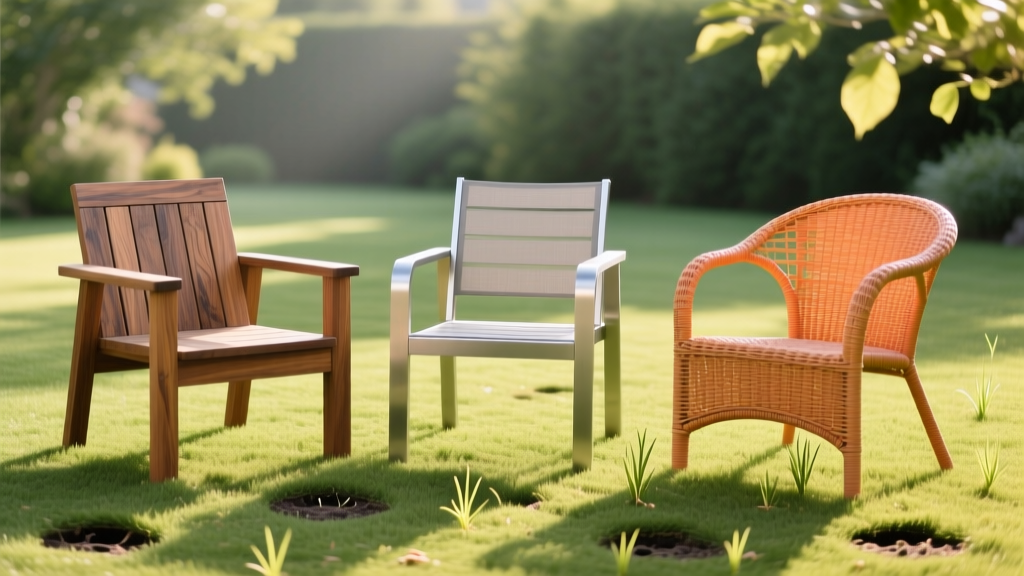
Teak vs Aluminum vs Resin Wicker: 2026 Durability Guide
Sarah ChenPublished
The Intersection of Lawn Renovation and Outdoor Living in 2026
As we navigate the 2026 outdoor living season, the boundary between the indoor living room and the backyard patio has never been more blurred. Homeowners are investing heavily in premium outdoor furniture to create luxurious garden-to-table dining spaces and comfortable lounging areas. However, a pristine outdoor living space relies entirely on the health and beauty of the surrounding landscape. To maintain a lush, vibrant lawn, rigorous seasonal maintenance is non-negotiable. This brings us to a critical, often overlooked dilemma: how does your expensive patio furniture hold up during the most disruptive lawn care processes of the year—specifically, core aeration and overseeding?
Evaluating outdoor furniture solely on its aesthetic appeal or comfort is no longer sufficient. True durability must be measured against the rigors of landscape maintenance. When you are dragging heavy aerators across the yard, tracking mud onto the patio, and covering the lawn in straw mulch for seed germination, your furniture takes a massive beating. In this comprehensive guide, we evaluate the big three patio furniture materials—teak, aluminum, and resin wicker—strictly through the lens of aeration and seeding durability.
Why Aeration and Seeding Seasons Threaten Patio Furniture
Before diving into the materials, we must understand the unique threats posed by lawn renovation. According to turfgrass experts at Penn State Extension, core aeration is essential for relieving soil compaction and allowing oxygen, water, and nutrients to reach the root zone. This process involves heavy machinery (or manual tools) that extract thousands of soil plugs, leaving them on the surface to break down. If your furniture is lightweight or positioned poorly, it can easily be damaged by errant equipment or buried in muddy soil plugs.
Following aeration, overseeding requires a delicate environment for germination. As noted by the University of Minnesota Extension, new seed requires constant moisture, meaning your lawn and the adjacent patio will be subjected to daily watering, high humidity, and frequent foot traffic. Furthermore, many homeowners use straw or hay blankets to protect the seed. This straw inevitably blows onto patios, getting trapped in furniture crevices, while the constant moisture creates a breeding ground for mold and mildew on vulnerable materials.
Teak Wood: The Heavyweight Champion of Moisture Resistance
Grade-A teak has long been the gold standard for outdoor furniture, and its reputation holds strong in 2026. Teak is a dense, tropical hardwood packed with natural oils and silica. According to The Wood Database, these natural oils make teak virtually impervious to rot, fungi, and extreme moisture. When it comes to the constant watering required during the seeding phase, teak is remarkably resilient. It will not warp, crack, or decay even when subjected to the high-humidity microclimate created by daily lawn irrigation.
However, teak presents a significant challenge during the aeration phase: weight. A solid teak dining set is incredibly heavy. While this prevents it from blowing away during stormy spring weather, it makes moving the furniture out of the path of a tow-behind core aerator a strenuous, multi-person job. If you fail to move teak furniture and an aerator bumps into it, the dense wood will likely survive, but the machine's tines or the heavy soil plugs can leave deep, stubborn mud stains in the wood's open grain if the teak has weathered to a silver patina. Cleaning dried clay and soil plugs out of teak's grain requires a stiff bristle brush and specialized wood cleaners, adding to your post-aeration workload.
Cast and Extruded Aluminum: The Lightweight Contender
Aluminum furniture has seen massive advancements in 2026, particularly with marine-grade powder coatings that offer superior UV and scratch resistance. From an aeration perspective, aluminum's greatest asset is its lightweight nature. When it is time to run the core aerator across the lawn, a single person can easily drag or carry aluminum chairs and tables out of the way, preventing accidental collisions with heavy machinery. Furthermore, aluminum is completely rust-proof, meaning the constant splashing from sprinklers and the muddy runoff from aeration plugs will not cause the structural integrity of the frame to degrade.
The primary vulnerability of aluminum during lawn renovation is its susceptibility to cosmetic damage. Soil plugs and small rocks kicked up by aerator tines can easily scratch the powder-coated finish of aluminum frames. Once the coating is breached, the aesthetic is compromised, even if the metal beneath won't rust. Additionally, during the seeding phase, lightweight aluminum furniture is prone to being blown over by strong winds, potentially crushing newly seeded beds or scattering the protective straw mulch across your patio. You will frequently need to secure or store aluminum pieces while the seed is establishing.
Resin Wicker (HDPE): The Modern Weave
Resin wicker, specifically High-Density Polyethylene (HDPE), has dominated the patio furniture market over the last decade due to its classic aesthetic and modern durability. In 2026, top-tier HDPE wicker is infused with advanced UV inhibitors and features a through-and-through colorant process that prevents fading. When dealing with the mess of overseeding, resin wicker is highly resistant to the moisture and mold that straw blankets can introduce. Unlike natural rattan or low-grade PVC, HDPE will not become brittle, peel, or harbor mildew when subjected to weeks of daily lawn watering.
The major drawback of resin wicker during aeration and seeding is the cleanup process. The intricate weave pattern is a magnet for debris. When the wind blows straw mulch across the patio, or when muddy boots track aeration soil onto the seating area, the dirt and organic matter become deeply lodged in the tiny crevices of the wicker. While the material itself won't be damaged by the mud, restoring the furniture to a pristine state requires hours of meticulous cleaning with a soft brush, mild soap, and a pressure washer on a low setting. If left uncleaned, the trapped organic matter can stain the cushions and create an unsightly patio environment.
2026 Material Comparison Chart: The Lawn Care Lens
| Material | Mobility (Aeration) | Moisture Resistance (Seeding) | Debris / Mud Cleanup | Impact Resistance |
|---|---|---|---|---|
| Teak Wood | Poor (Very Heavy) | Excellent (Natural Oils) | Moderate (Grain traps mud) | Excellent |
| Aluminum | Excellent (Lightweight) | Excellent (Rust-Proof) | Easy (Smooth surfaces) | Poor (Scratches easily) |
| Resin Wicker | Good (Moderate Weight) | Excellent (HDPE Plastic) | Poor (Weave traps straw/mud) | Good |
Strategic Furniture Protection During Lawn Renovation
Regardless of whether you choose teak, aluminum, or resin wicker, proactive management during the aeration and seeding seasons is critical to preserving your investment. The first rule of thumb is spatial awareness. Before hiring a landscaping crew or renting an aerator, map out the equipment's path. For heavy teak sets that are difficult to move, consider hiring professionals who can maneuver carefully around your hardscape. For aluminum and wicker, relocate the entire set to the garage or a covered shed for the 48 hours surrounding the aeration process to prevent stray soil plugs and equipment scratches.
During the seeding and germination phase, invest in high-quality, breathable, custom-fitted furniture covers. Because the lawn will be watered daily, ambient humidity will spike. Non-breathable plastic tarps will trap this moisture against your furniture, leading to mildew on cushions and potential water-spotting on teak and aluminum frames. Breathable, marine-grade canvas covers will protect the pieces from blowing straw mulch and muddy splashes while allowing trapped moisture to escape.
Post-Seeding Cleanup and Maintenance
Once the new grass has established and the heavy watering schedule subsides, a thorough deep clean is necessary. For aluminum frames, a simple wipe-down with a microfiber cloth and a mild dish soap solution will remove any dried mud splatters. Avoid abrasive sponges, as they will dull the 2026 powder-coated finishes. For teak, if mud has dried into the grain, use a specialized teak cleaner and a soft-bristle brush, working in the direction of the grain to lift the soil without stripping the wood's natural oils.
For resin wicker, the most efficient cleanup method involves a multi-step process. First, use a leaf blower or a vacuum with a brush attachment to dislodge dry straw and loose soil from the weave. Next, wash the frames with a mixture of warm water and a few drops of mild detergent, using a soft brush to agitate the crevices. Finally, rinse thoroughly with a garden hose. Never use a high-pressure nozzle on resin wicker, as the intense force can separate the weave from the underlying aluminum frame.
Conclusion: Choosing the Right Material for Your Landscape
Ultimately, the best patio furniture material for your home depends on your specific lawn care routine and landscape layout. If you have a sprawling lawn that requires frequent, heavy aeration and you prefer not to move your furniture, aluminum offers the lightweight mobility needed to protect both the pieces and your turf. If you prioritize a natural, garden-to-table aesthetic and don't mind the physical labor of moving heavy pieces or scrubbing mud from wood grain, teak remains the undisputed king of moisture resistance. Finally, if you love the resort-style look of woven furniture and are willing to invest time in post-seeding cleanup, modern HDPE resin wicker provides an unbeatable balance of style and weather resilience. By understanding how these materials interact with the rigors of lawn renovation, you can ensure your outdoor oasis remains beautiful long after the grass seed has sprouted.
