Home & Garden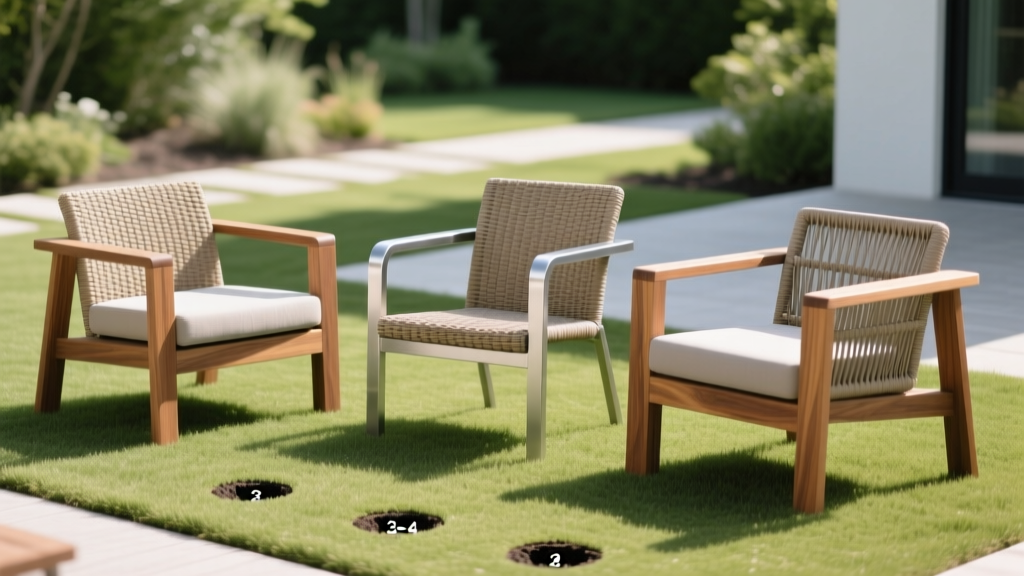
2026 Patio Furniture: Teak vs Aluminum vs Resin Wicker
Robert HayesPublished
The Intersection of Patio Furniture and Soil Health in 2026
As homeowners in 2026 continue to blur the lines between indoor comfort and outdoor living, the demand for premium patio furniture has never been higher. However, at lawsguide.com, we evaluate outdoor furnishings through a unique and critical lens: lawn health and soil mechanics. Specifically, we look at how your furniture choices impact core aeration and soil compaction. Choosing the right material is no longer just about weather resistance or aesthetic appeal; it is about understanding how the weight, footprint, and mobility of your furniture interact with the delicate soil ecosystem beneath your feet.
When investing in high-end outdoor seating and dining sets, the big three materials dominating the 2026 market are teak, aluminum, and resin wicker. Each offers distinct advantages in terms of longevity and style. Yet, when you factor in the rigorous demands of seasonal lawn maintenance—particularly core aeration—the decision becomes far more complex. This comprehensive guide breaks down the durability of teak, aluminum, and resin wicker, while providing actionable advice on how to protect your freshly aerated lawn from irreversible compaction damage.
Why Core Aeration Changes How You Buy Furniture
Core aeration is a foundational lawn care practice that involves extracting small plugs of soil to alleviate compaction, reduce thatch buildup, and allow oxygen, water, and nutrients to reach the grassroots. According to the University of Minnesota Extension, regular aeration is essential for maintaining a vigorous, drought-tolerant lawn, especially in high-traffic areas. However, the benefits of aeration are instantly negated if heavy objects are placed back onto the soft, newly opened soil channels.
This is where the concept of Pounds per Square Inch (PSI) becomes crucial. A heavy piece of furniture with narrow legs exerts immense downward pressure. For example, a solid wood chair weighing 45 pounds with legs that have a one-square-inch footprint generates 45 PSI of pressure. This is more than enough to crush the fragile soil aggregates and collapse the aeration holes, effectively re-compacting the soil immediately after you have spent time and money loosening it. Therefore, evaluating outdoor furniture requires analyzing not just its resistance to rain and UV rays, but its weight distribution and how easily it can be relocated during your spring and fall aeration schedules.
Teak: The Heavyweight Champion of Durability
Teak has long been the gold standard for outdoor furniture, and in 2026, it remains the premier choice for those seeking generational durability. Genuine, old-growth teak contains high levels of natural oils and tight wood grains that make it virtually impervious to rot, insect damage, and extreme weather fluctuations. Modern consumers are also increasingly conscious of sustainability, with the Forest Stewardship Council (FSC) certification becoming the baseline standard for ethically sourced teak in 2026.
The Lawn Impact: Weight and Compaction
While teak is unmatched in weather durability, it is notoriously heavy. A standard 2026 teak dining armchair can easily weigh between 35 and 50 pounds, while a full dining table can exceed 150 pounds. When placed directly on a lawn, this immense weight causes severe soil compaction over time. If you attempt to move a heavy teak set across a freshly aerated lawn, the narrow wooden legs will sink into the soft soil, tearing up the turf and collapsing the aeration plugs. Teak furniture is best suited for permanent hardscaped areas like concrete patios or reinforced timber decks, keeping it safely away from your aerated turf zones.
Aluminum: The Lightweight, Aeration-Friendly Contender
Cast and extruded aluminum furniture has seen massive technological improvements by 2026. Modern powder-coating techniques utilize advanced UV-stable polymers that prevent the chalking, fading, and chipping that plagued cheaper aluminum sets a decade ago. Aluminum is inherently rust-proof, making it an exceptional choice for coastal environments or regions with heavy, persistent rainfall. It requires virtually zero structural maintenance beyond an occasional wipe-down with mild soap and water.
The Lawn Impact: Mobility and Weight Distribution
From a core aeration perspective, aluminum is the undisputed champion. An aluminum dining chair typically weighs between 10 and 15 pounds. This featherweight profile means it exerts minimal PSI on the soil, drastically reducing the risk of compaction. More importantly, when it is time to aerate your lawn, aluminum furniture can be effortlessly relocated. A single person can easily carry an entire aluminum dining set off the lawn and onto a driveway in a matter of minutes, ensuring your aerator machine has a clear, unobstructed path. Many 2026 aluminum designs also feature wider, flared leg caps specifically engineered to distribute weight more evenly across soft ground.
Resin Wicker: The Modern All-Rounder
Resin wicker, specifically High-Density Polyethylene (HDPE), offers the classic, textured elegance of natural rattan without the susceptibility to moisture and mold. In 2026, premium HDPE wicker is manufactured with integrated, full-spectrum UV inhibitors that prevent the material from becoming brittle or cracking under intense summer sun. It is highly durable, easy to clean, and available in a vast array of contemporary colorways and weaves.
The Lawn Impact: Frame Materials and Footprints
The durability and lawn impact of resin wicker depend entirely on its hidden inner frame. Budget models from previous years often used steel frames that would rust and stain the lawn when exposed to post-aeration watering. In 2026, high-quality resin wicker sets exclusively utilize powder-coated aluminum frames, combining the lightweight benefits of aluminum with the broad, stable footprint of wicker designs. Because wicker chairs often feature a wider base or a sled-style bottom, they distribute weight over a larger surface area, lowering the PSI and making them much safer for placement near the edges of aerated lawns.
2026 Durability and Lawn Impact Comparison Chart
| Material | Avg. Chair Weight (2026) | Weather Durability | Soil Compaction Risk | Aeration Mobility |
|---|---|---|---|---|
| FSC-Certified Teak | 35 - 50 lbs | Exceptional (50+ years) | High (Severe PSI) | Poor (Difficult to move) |
| Powder-Coated Aluminum | 10 - 18 lbs | Excellent (20+ years) | Low (Minimal PSI) | Excellent (Effortless) |
| HDPE Resin Wicker (Aluminum Frame) | 18 - 25 lbs | Very Good (10-15 years) | Medium (Wide footprint) | Good (Manageable) |
Actionable Advice: Protecting Your Aerated Lawn
Understanding the Arbor Day Foundation's guidelines on soil compaction reveals that protecting the root zone is paramount for long-term landscape health. If you love the look of heavy teak or dense resin wicker but want to maintain a pristine, well-aerated lawn, follow these 2026 best practices:
- Install Load-Dispersing Glides: Attach wide, flat rubber or polyurethane glides to the bottom of all furniture legs. A two-inch glide reduces the PSI by a factor of four compared to a bare one-inch wooden leg, preventing the leg from punching through the soft, aerated soil crust.
- Utilize Hardscape Anchors: Place heavy teak sofas and dining tables on discrete, flush-mounted paver stones or composite decking tiles. This creates a permanent, stable island that protects the underlying soil structure while keeping the furniture level.
- Time Your Aeration Schedule: Plan your core aeration for early morning or late evening when the patio is not in use. Clear all lightweight aluminum furniture completely off the turf 24 hours before the aeration service arrives to ensure the machine can make clean, overlapping passes without navigating around obstacles.
- Post-Aeration Rest Period: After core aeration and overseeding, keep all furniture off the lawn for at least three to four weeks. The soil plugs need time to break down, and the new grass seedlings require an undisturbed environment to establish deep, healthy roots.
Final Thoughts on 2026 Outdoor Furnishings
The evolution of outdoor living in 2026 demands a holistic approach to landscape design. By viewing patio furniture through the lens of core aeration and soil health, you can make purchasing decisions that benefit both your comfort and your lawn. While teak offers unparalleled, multi-generational durability, its heavy footprint requires strict placement on hardscapes. Aluminum provides the ultimate flexibility for homeowners who prioritize seasonal lawn maintenance and easy mobility. Meanwhile, modern HDPE resin wicker bridges the gap, offering broad weight distribution and classic aesthetics. Choose wisely, protect your soil, and enjoy a thriving, beautiful outdoor oasis for years to come.
