Home & Garden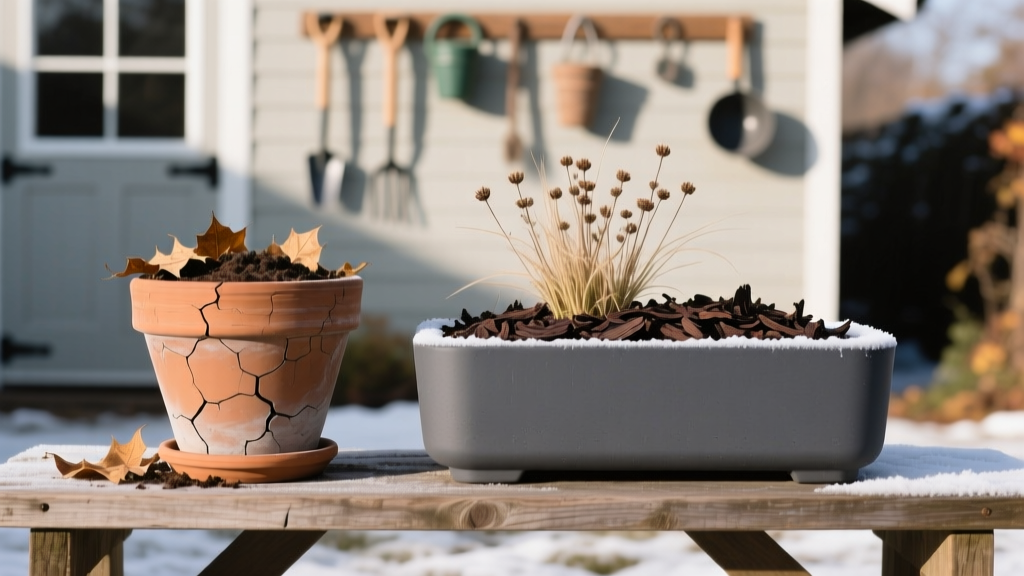
Frost-Proof vs Terracotta Planters: 2026 Overwintering Mulch Guide
Anna KowalskiPublished
The 2026 Guide to Overwintering Planters: Terracotta vs. Frost-Proof
As we navigate the unpredictable winter climate patterns of 2026, home gardeners are facing a familiar but critical challenge: keeping container plants alive through freezing temperatures. While indoor relocation is ideal, many large outdoor planters must remain outside. This brings us to a major horticultural debate: traditional terracotta versus modern frost-proof planters. However, the planter material is only half the battle. The true secret to successful overwintering lies in your mulching methods and materials.
Mulch is not just a summer weed barrier; it is a vital thermal insulator. According to the University of Minnesota Extension, a proper layer of organic mulch can stabilize soil temperatures and protect vulnerable root systems from the devastating freeze-thaw cycles that characterize modern winters. But how you apply mulch—and which materials you choose—depends entirely on whether you are using porous terracotta or non-porous frost-proof containers.
The Physics of Winter Planters: Why Material Matters
To understand why mulching strategies must differ, we must first look at the physics of planter materials during winter.
The Terracotta Vulnerability
Traditional unglazed terracotta is highly porous. It absorbs rainwater and melting snow into its clay walls. When temperatures drop below freezing, this trapped water expands by up to 9%, causing the clay to crack, flake, or shatter entirely. Overwintering plants in terracotta requires a dual approach: insulating the plant's roots while simultaneously keeping the pot's exterior walls as dry and thermally buffered as possible.
The Frost-Proof Advantage (and Hidden Danger)
Frost-proof planters—typically made from advanced 2026 poly-resin blends, fiberglass, or powder-coated metals—do not absorb water. They will not crack from freeze-thaw expansion. However, they present a different danger: the "Ice Block Effect." Because these materials are non-porous, water cannot escape through the walls. If you use the wrong type of moisture-retaining mulch, the soil inside can become waterlogged, freezing into a solid block of ice that suffocates and crushes the plant's root system.
Terracotta Planters: Insulation Through Strategic Mulching
When overwintering plants in terracotta, your mulching method must focus on extreme thermal insulation and moisture wicking. Here are the two most effective methods for 2026.
Method 1: The Pot-in-Pot Mulch Trench
This is the gold standard for terracotta overwintering.
- Step 1: Dig a shallow trench in your garden bed, just deep enough to sink the terracotta pot up to its rim.
- Step 2: Place the terracotta planter into the hole. The surrounding earth acts as a primary geothermal insulator.
- Step 3: Fill the gap between the pot and the soil with dry straw or shredded oak leaves. Straw has an exceptionally high R-value (insulation rating) due to its hollow, air-trapping stems.
- Step 4: Apply a 3-to-4-inch layer of the same dry mulch directly over the soil surface of the planter to protect the root crown.
This method buffers the terracotta from rapid air temperature swings while allowing the porous clay to breathe, preventing internal waterlogging.
Method 2: The Straw-Wrap and Bark Cap
If you cannot bury the pot, you must wrap it. Bundle dry straw or pine boughs around the exterior of the terracotta pot and secure it with biodegradable jute twine. Inside the planter, use a shredded hardwood bark mulch. The Missouri Botanical Garden notes that shredded bark interlocks to form a stable crust that resists wind displacement while allowing excess winter precipitation to slowly evaporate from the soil surface, keeping the terracotta walls drier.
Frost-Proof Planters: Managing the Ice Block Effect
With fiberglass, poly-resin, and metal planters, you do not need to wrap the exterior. The pot will survive the cold. Your sole focus is root insulation and drainage management. The Royal Horticultural Society emphasizes that container compost can freeze solid much faster than ground soil, requiring careful mulch selection to maintain aeration.
The Danger of Moisture-Trapping Mulches
Never use fine, moisture-retentive mulches like compost, peat moss, or grass clippings in frost-proof planters during winter. These materials hold water like a sponge. In a non-porous fiberglass pot, this water has nowhere to go but down, potentially clogging drainage holes and turning the root zone into a frozen swamp.
The Solution: Aerating Mulches
For frost-proof planters, use pine bark nuggets or coarse cedar woodchips. These large, chunky mulch materials create macro-pores in the top layer of the soil. They insulate the root crown from ambient air freezing while allowing excess winter rain and snowmelt to freely pass through and exit the drainage holes. Apply a 2-to-3-inch layer of coarse bark, ensuring you leave a 1-inch gap around the main stem of the plant to prevent rot.
2026 Mulch Material Comparison Chart for Overwintering
Choosing the right mulch is critical. Below is a comparison of the top mulching materials for container overwintering in 2026, factoring in current market availability and thermal properties.
| Mulch Material | Insulation (R-Value) | Moisture Retention | Best Planter Type | 2026 Est. Cost (per 2 cu ft) |
|---|---|---|---|---|
| Dry Wheat Straw | High (Air-trapping) | Low (Wicks moisture) | Terracotta (Exterior wrap & trench) | $8.00 - $11.00 |
| Shredded Oak Leaves | Medium-High | Medium | Terracotta (Surface layer) | Free (Yard waste) |
| Coarse Pine Bark | Medium | Low (Promotes drainage) | Frost-Proof (Fiberglass/Resin) | $6.00 - $9.00 |
| Cedar Woodchips | Medium | Low | Frost-Proof (Metal/Glazed) | $7.00 - $10.00 |
| Cocoa Bean Hulls | Low | High (Holds water) | AVOID for Winter Overwintering | $12.00 - $15.00 |
Smart Home Integration: Monitoring Winter Mulch Efficacy
One of the most exciting advancements in 2026 garden care is the integration of smart home technology into winter plant protection. Because mulch depth and moisture levels are invisible beneath the winter snow, gardeners are now utilizing wireless soil moisture and temperature sensors.
By inserting a smart probe into the planter's soil before applying your winter mulch layer, you can monitor the root zone via your smartphone. If the sensor indicates that the soil in your frost-proof planter is remaining too wet despite the coarse bark mulch, you know you need to elevate the pot on "pot feet" to improve drainage. Conversely, if the temperature probe in your terracotta pot shows rapid fluctuations matching the outside air, it indicates your straw wrap has settled or blown away and needs replenishing.
Step-by-Step 2026 Overwintering Protocol
Follow this actionable checklist to prepare your planters for the winter season using proper mulching techniques:
- Hydrate Before Freezing: Water your container plants deeply in late autumn before the ground freezes. Dry roots are far more susceptible to winter kill than hydrated roots. Mulch locks this moisture in.
- Prune and Clean: Remove dead foliage and spent annuals from the planter to prevent fungal diseases from overwintering in the mulch layer.
- Elevate the Pot: Place both terracotta and frost-proof planters on terracotta "pot feet" or wooden risers. This prevents drainage holes from freezing to the patio or soil surface.
- Apply the Correct Mulch: Use dry straw/leaves for terracotta, and coarse pine bark for frost-proof materials. Apply 3 to 4 inches deep.
- Top with Burlap: For added protection against harsh winter winds that can strip moisture from evergreen foliage, insert wooden stakes into the mulch and wrap the entire planter and plant in breathable burlap.
Conclusion
The debate between terracotta and frost-proof planters is ultimately settled by your willingness to adapt your mulching methods. Terracotta requires aggressive, dry, air-trapping mulches like straw to prevent structural failure, while modern frost-proof planters demand coarse, draining mulches like pine bark to prevent root suffocation. By understanding the unique physics of your containers and leveraging the insulating power of organic materials, you can ensure your favorite patio specimens survive the winter of 2026 and thrive for seasons to come.
