Home & Garden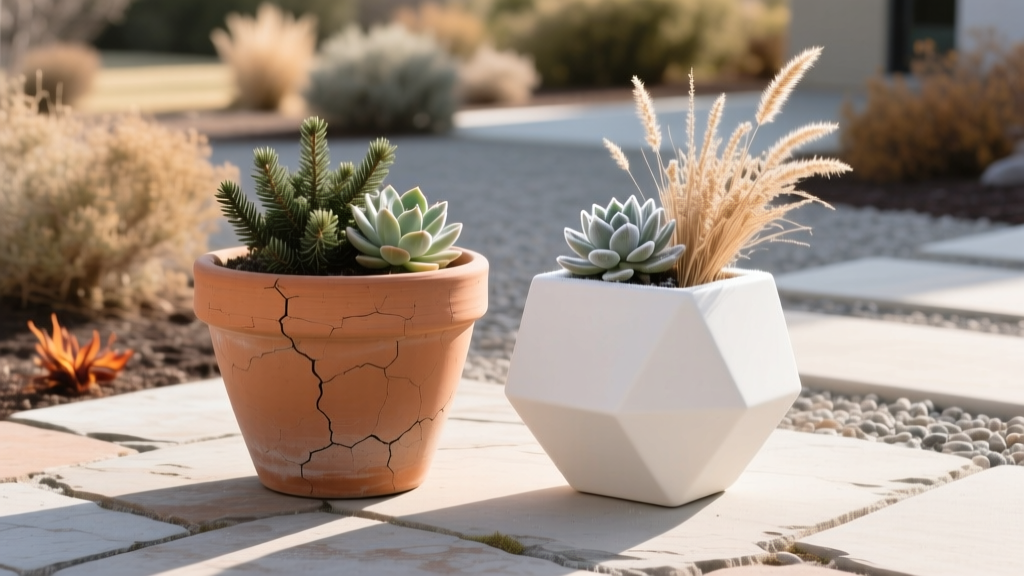
Frost-Proof vs Terracotta Planters: 2026 Fire-Safe Guide
Mike RodriguezPublished
The 2026 Landscaping Paradox: Winter Frost and Summer Embers
As climate patterns continue to shift in 2026, homeowners in wildfire-prone regions face a complex landscaping paradox. You must prepare your outdoor spaces for the deep freezes of winter while simultaneously maintaining a strict, year-round fire-resistant landscape. This challenge is most evident when selecting outdoor planters for overwintering fire-smart plants. The vessel you choose must protect the root systems of your firebreak succulents, agaves, and dormant deciduous shrubs from frost heave, yet it must not introduce combustible materials into your defensible space. The ongoing debate between traditional terracotta and modern frost-proof planters requires a nuanced understanding of both thermal dynamics and wildfire behavior.
Terracotta Planters: The Fire-Safe but Frost-Fragile Classic
Unglazed terracotta has been a staple in garden design for centuries, and from a wildfire defense perspective, it remains a stellar choice. Because it is made of kiln-fired clay, terracotta is entirely non-combustible. If wind-blown embers land on a terracotta pot during a late-summer firestorm, there is zero risk of the planter itself igniting or melting. According to guidelines from the Ready for Wildfire initiative, using non-combustible hardscaping and decor materials is a foundational element of home hardening.
However, terracotta is notoriously fragile when it comes to overwintering. The porous nature of unglazed clay allows moisture from the soil and rain to seep into the walls of the planter. When temperatures drop below freezing, this trapped water expands as it turns to ice, creating internal pressure that leads to cracking, flaking, and ultimately, the shattering of the pot. To overwinter plants in terracotta, gardeners are typically forced to move the heavy pots into a garage or wrap them in insulating bubble wrap and burlap. This disrupts your carefully planned defensible space layout and creates winter storage clutter.
Frost-Proof Planters: Winter Survivors with a Hidden Fire Risk
To solve the winter cracking issue, the market has been flooded with planters labeled as frost-proof. In 2026, the majority of these are constructed from high-density polyethylene (HDPE), fiberglass, polyurethane resin, or composite plastics. These materials are incredibly resilient against the freeze-thaw cycle. They flex slightly under pressure, preventing cracks, and they provide excellent insulation for the root balls of overwintering fire-resistant plants like Aloe vera and Sedum.
But from a fire-resistant landscaping perspective, many frost-proof resin and plastic planters pose a severe, often overlooked hazard. While they will not spontaneously combust, petroleum-based planters can melt, warp, and act as secondary fuel sources when exposed to the intense radiant heat or direct ember intrusion of a wildfire. Furthermore, if the soil inside a plastic planter dries out during a winter windstorm, an ember lodging in the dry organic matter can ignite the soil, which then melts the plastic container, spreading flaming debris across your patio. The National Fire Protection Association (NFPA) strictly advises keeping all combustible materials out of the immediate 0-to-5-foot zone around your home, a rule that includes plastic and resin planters.
2026 Material Comparison Chart: Frost vs. Fire Performance
To help you make an informed decision for your 2026 landscape design, we have compared the most common planter materials based on their ability to withstand winter frost and resist wildfire ignition.
| Planter Material | Frost Resistance | Ember Ignition Risk | 2026 Avg Cost (24-inch) | Overwintering Strategy |
|---|---|---|---|---|
| Unglazed Terracotta | Poor (Cracks easily) | Zero (Non-combustible) | $45 - $85 | Move indoors or wrap heavily |
| Resin / Fiberglass | Excellent | High (Melts / Ignites) | $90 - $160 | Leave outdoors, keep away from structures |
| High-Fired Glazed Ceramic | Excellent | Zero (Non-combustible) | $180 - $350 | Leave outdoors, ensure drainage |
| Corten / Weathering Steel | Excellent | Zero (Non-combustible) | $220 - $450 | Leave outdoors, elevate for drainage |
The 2026 Compromise: High-Fired Ceramic and Corten Steel
If you want the overwintering durability of a frost-proof planter without the fire hazards of resin, the 2026 market offers two premium alternatives that bridge the gap perfectly. High-fired glazed ceramic planters are subjected to temperatures exceeding 2,000 degrees Fahrenheit, which vitrifies the clay, making it virtually impermeable to water. Because water cannot penetrate the walls, there is no frost heave, allowing these heavy, beautiful planters to remain outdoors all winter. More importantly, they are completely fireproof.
Similarly, Corten steel (weathering steel) planters have surged in popularity for modern fire-safe landscapes. Corten steel develops a protective rust patina that seals the metal against winter moisture and freezing temperatures. It is entirely non-combustible, heavy enough to withstand fierce winter windstorms, and provides a striking, modern aesthetic that complements the gravel and stone mulches recommended by the University of California Agriculture and Natural Resources (UC ANR) for fire-resistant landscaping.
Overwintering Fire-Resistant Plants: Best Practices
Fire-resistant plants, such as succulents, ice plants, and high-moisture groundcovers, act as living firebreaks by halting the spread of flames due to their high water content. However, many of these plants are frost-tender and require specific overwintering care, which is heavily influenced by your choice of planter.
- Soil Moisture Management: In frost-proof ceramic or steel planters, water cannot escape through the walls as it does in terracotta. You must drastically reduce watering in late autumn. Overwintering succulents in wet, non-porous soil will lead to fatal root rot long before the frost damages the leaves.
- Elevation and Drainage: Whether using glazed ceramic or steel, ensure your planters are elevated on pot feet or casters. This prevents the drainage holes from freezing to the patio surface, which can trap water inside the planter and cause the soil to freeze into a solid block of ice, killing the roots of your firebreak plants.
- Microclimate Utilization: Place your overwintering frost-proof planters against south-facing walls. The thermal mass of the house absorbs winter sun during the day and radiates heat at night, protecting frost-tender agaves and aloes without requiring you to move the heavy ceramic or steel pots indoors.
Strategic Placement for Defensible Space
The material of your planter dictates where it can safely sit within your defensible space zones during the winter and beyond. The NFPA divides the area around your home into distinct Home Ignition Zones. The Immediate Zone (0 to 5 feet from the structure) demands strict non-combustibility. In 2026, building and fire codes in high-risk areas heavily scrutinize this zone.
You must never place resin, fiberglass, or wooden planters in the Immediate Zone, even during the winter. If you are overwintering plants near your front door, under windows, or on attached wooden decks, you must exclusively use terracotta, high-fired glazed ceramic, or metal planters. Furthermore, ensure that any dead foliage from dormant overwintering shrubs is promptly pruned and cleared from the soil surface, as dry leaves resting against a combustible plastic planter create a perfect recipe for ember ignition. By aligning your overwintering strategy with fire-safe material choices, you ensure your garden remains a resilient, beautiful, and protective asset year-round.
