Home & Garden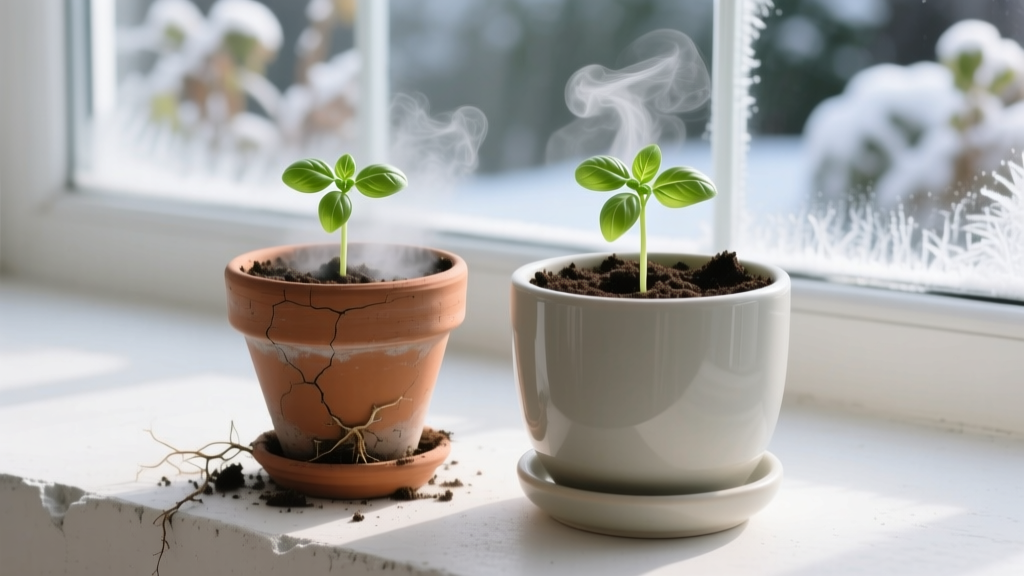
Frost-Proof vs Terracotta Planters: 2026 Overwintering Guide
Sarah ChenPublished
Introduction: The 2026 Container Overwintering Dilemma
As we prepare our outdoor spaces for the colder months and look ahead to the 2026 spring growing season, one critical decision faces every home gardener: how to handle outdoor planters during winter. The debate between traditional terracotta and modern frost-proof materials is not just a matter of aesthetics or budget. For those who view container gardening through the lens of aeration and seeding, the choice of planter material fundamentally dictates soil structure, root health, and the viability of your spring seed germination.
Overwintering is the bridge between autumn harvests and spring sowings. If your container soil compacts, freezes into a solid block, or spills out due to a cracked pot, your spring aeration and seeding efforts will be severely compromised. In this comprehensive guide, we break down the science of terracotta versus frost-proof planters, focusing on how each impacts soil porosity, moisture retention, and your 2026 seeding strategy.
The Science of Freeze-Thaw Cycles and Soil Structure
Winter weather is defined by freeze-thaw cycles. When water trapped inside soil—or inside the walls of a planter—freezes, it expands by approximately 9%. This expansion exerts immense pressure. For container gardeners, this physical force affects both the vessel and the soil ecosystem within. A healthy soil food web requires oxygen; when soil is subjected to repeated freezing and thawing without proper drainage and aeration, it collapses into a dense, anaerobic brick. Come spring, seeds sown into this compacted medium will fail to establish proper seed-to-soil contact or penetrate the crust, leading to poor germination rates.
According to the University of Minnesota Extension Yard and Garden resources, protecting the physical structure of container soil during winter is paramount for early spring planting success. The material of your planter acts as the primary insulator and moisture regulator during this vulnerable period.
Terracotta Planters: Natural Aeration but High Winter Risk
Unglazed terracotta (baked clay) has been the gold standard for centuries, primarily due to its breathability. The microscopic pores in the clay walls allow air and water to pass through, providing passive, continuous aeration to the root zone. From an aeration perspective, terracotta mimics the benefits of core aeration in a lawn, preventing soil compaction and encouraging robust root respiration.
The Overwintering Challenge
However, this same porosity makes terracotta highly susceptible to winter damage. If left outdoors with soil inside, the clay absorbs rain and snowmelt. When temperatures drop below freezing, the trapped water expands, causing the pot to flake, crack, or shatter entirely. Therefore, terracotta cannot be reliably overwintered outdoors in most hardiness zones.
- Overwintering Protocol: Terracotta must be emptied, scrubbed with a 10% bleach solution to remove pathogens, and stored in a dry, frost-free environment like a garage or shed.
- Impact on Spring Seeding: Because the soil must be removed and stored separately (or replaced), you lose the established soil structure. In spring, you must rebuild the soil profile, heavily amend it with perlite or pumice for aeration, and start your seeding process from scratch.
Frost-Proof Planters: Durability Meets Spring Seeding
Frost-proof planters—typically constructed from high-density polyurethane resin, fiberglass, or glazed ceramic fired at extreme temperatures—are engineered to be non-porous and flexible enough to withstand freeze-thaw cycles without cracking. In 2026, advanced poly-resin composites have become incredibly lightweight while mimicking the texture of natural stone or clay.
The Aeration Trade-Off
The primary drawback of frost-proof materials is their impermeability. Unlike terracotta, resin and fiberglass do not breathe. This means all gas exchange and drainage must occur through the soil surface and the bottom drainage holes. Over a long winter, the top layer of soil in a frost-proof pot can become sealed by ice and debris, leading to waterlogging and anaerobic conditions that rot overwintering roots and destroy the crumb structure needed for spring seeding.
- Overwintering Protocol: These planters can remain outdoors. However, they must be elevated on pot feet to ensure drainage holes do not freeze to the ground, and the soil surface should be mulched to prevent deep freezing.
- Impact on Spring Seeding: The soil remains intact, preserving the microbial life and organic matter. However, before seeding in spring, you must perform manual container aeration to break up any winter compaction caused by snow load and settling.
2026 Comparison Chart: Terracotta vs. Frost-Proof
| Feature | Unglazed Terracotta | Frost-Proof Resin/Fiberglass |
|---|---|---|
| Natural Soil Aeration | Excellent (Breathable walls) | Poor (Impermeable walls) |
| Winter Durability | Low (Cracks if wet and frozen) | High (Withstands freeze-thaw) |
| Overwintering Method | Empty, clean, store indoors | Leave outdoors, elevate on pot feet |
| Spring Soil Prep | Requires full soil replacement/mixing | Requires manual top-aeration |
| Seed Germination Environment | Dries quickly; requires frequent misting | Retains moisture; ideal for delicate seeds |
| Estimated 2026 Cost (24-inch) | $45 - $85 | $70 - $150 |
Preparing Container Soil for Spring Aeration and Seeding
Whether you stored your terracotta indoors or left your frost-proof planters on the patio, preparing the soil for spring seeding requires a targeted aeration approach. Container soil lacks the earthworms and deep-rooted perennials that naturally aerate in-ground garden beds.
Step 1: Manual Core Aeration for Containers
In early spring, use a wide-tined hand fork or a specialized container aerator tool to gently pierce the top 3 to 4 inches of soil. Avoid aggressive turning, which can damage dormant roots of overwintered perennials. Instead, use a 'lift and drop' motion to create air channels. For frost-proof pots that suffered winter compaction, top-dress the surface with a 1-inch layer of coarse pumice or calcined clay (Turface) to permanently improve surface porosity.
Step 2: The 2026 Seeding Strategy
Once the soil is aerated and the danger of hard frosts has passed, your containers are primed for seeding. The impermeable nature of frost-proof pots makes them exceptional for direct-sowing moisture-sensitive seeds like cilantro, dill, and compact ornamental grasses, as the resin prevents the rapid moisture loss that plagues terracotta.
- Scarify the Surface: Lightly scratch the top inch of the aerated soil.
- Sow and Press: Broadcast your seeds and use a flat board to press them firmly into the soil. Seed-to-soil contact is critical, especially in the loose, newly aerated container mix.
- Micro-Topdress: Cover with a fine layer of vermiculite. Vermiculite holds moisture right against the seed while allowing the emerging shoot to push through easily.
Smart Home Integration: Monitoring Winter Planters
A major trend for the 2026 gardening season is the integration of smart home technology into outdoor plant care. Because frost-proof planters stay outside, they are vulnerable to hidden waterlogging if drainage holes become clogged with debris or ice. By inserting a wireless soil moisture and temperature probe (such as the latest 2026 models compatible with Matter and Thread protocols) into your overwintering planters, you can monitor the internal environment from your smartphone.
If the sensor detects that the soil in your frost-proof planter is saturated and temperatures are dropping, you know it is time to clear the drainage holes or temporarily move the pot to a sheltered area. This proactive monitoring prevents the anaerobic soil collapse that ruins spring seeding efforts. For empty terracotta pots stored in the garage, smart humidity sensors can ensure the storage environment isn't too damp, preventing mold growth on the porous clay walls.
Expert Tips for Long-Term Container Health
Maintaining the balance between aeration and moisture retention is an ongoing process. The Royal Horticultural Society (RHS) Planting Guides emphasize that container compost degrades over time, losing its structural integrity and aeration capabilities. To combat this in frost-proof planters, experts recommend a 'partial refresh' every spring: remove the top 20% of the old soil, replace it with fresh, high-porosity seed-starting mix, and incorporate a slow-release organic fertilizer. This creates the perfect, well-aerated seedbed for your spring sowings without disturbing the deeper root systems of established plants.
Conclusion
Choosing between terracotta and frost-proof planters for overwintering ultimately depends on your spring gardening goals. If you prioritize passive soil aeration and don't mind the labor of emptying, storing, and completely rebuilding your soil profile in spring, terracotta remains a classic choice. However, if your focus is on preserving soil structure, utilizing smart monitoring, and transitioning seamlessly into spring overseeding and direct sowing, modern frost-proof resin and fiberglass planters are the superior investment for 2026. By understanding the unique aeration and moisture dynamics of each material, you can ensure your container garden survives the winter and thrives in the spring.
