Home & Garden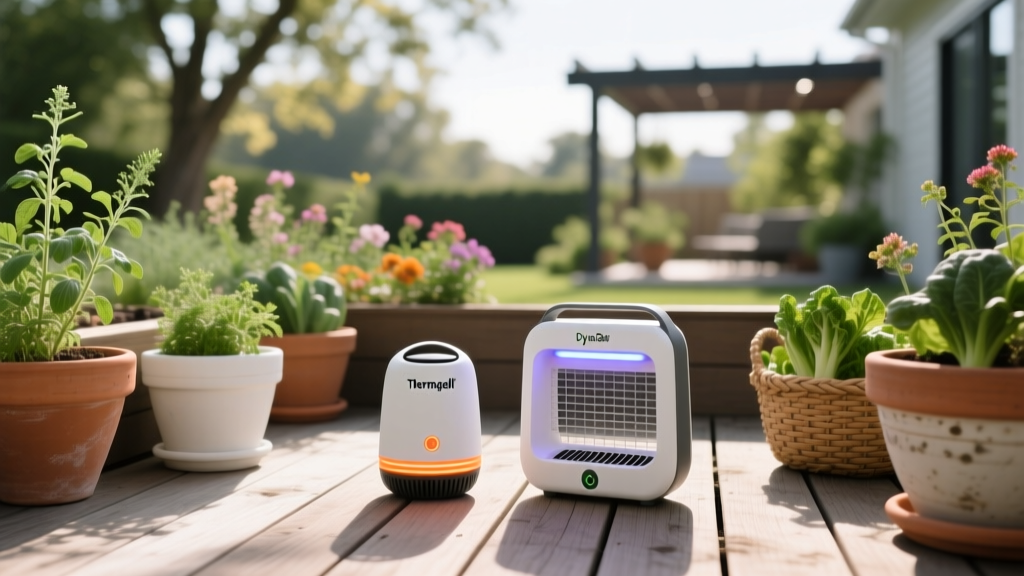
Thermacell vs DynaTrap 2026: Mosquito Control for Container Patios
Anna KowalskiPublished
The Mosquito Threat to Container Gardeners in 2026
Container gardening has evolved dramatically, with 2026 bringing smarter self-watering planters, advanced drought-tolerant cultivars, and high-density balcony setups. However, one persistent adversary remains unchanged: the mosquito. For patio and balcony gardeners, potted plants create unique micro-habitats that inadvertently invite these biting pests. Water-catching saucers, damp potting mixes, and the shaded, humid canopies of potted tomatoes and ornamental grasses provide ideal breeding and resting grounds for mosquitoes.
When you are tending to your patio pots or enjoying an evening harvest from your container garden, effective mosquito control is non-negotiable. Two of the most popular chemical-free and spatial repellent systems on the market are Thermacell and DynaTrap. But how do they perform in the specific context of a container-filled patio or deck? In this guide, we break down the Thermacell vs. DynaTrap debate for 2026, focusing on yard coverage, pollinator safety, and strategic placement among your potted plants.
Understanding the Contenders
Thermacell Spatial Repellents
Thermacell devices, such as the popular E55 Rechargeable and the Patio Shield models, utilize a heat-activated mat or liquid cartridge to release a synthetic pyrethroid (typically allethrin or metofluthrin) into the air. This creates an invisible, odorless 'dome' of protection that disrupts the mosquito's ability to locate a host. In 2026, the latest Thermacell models offer improved battery life, USB-C charging, and adjustable fan speeds to push the repellent plume through light patio breezes.
For container gardeners, Thermacell is highly localized. It is designed to protect a specific zone—usually a 15 to 20-foot radius—making it perfect for a small seating area nestled among your potted herbs and flowers. Because it repels rather than kills, it creates a protective bubble around your potting bench or patio chair.
DynaTrap Insect Traps
DynaTrap takes a completely different approach. Devices like the DT1260 and the larger DT1700 use a combination of UV fluorescent bulbs and a titanium dioxide-coated surface that produces trace amounts of carbon dioxide (CO2) when exposed to the light. This mimics human breath, luring mosquitoes toward the device. Once close, a quiet, powerful fan sucks them into a catch basket where they dehydrate and die.
DynaTrap units are designed for broader area coverage, often rated for up to a half-acre. For gardeners with expansive backyard patios surrounded by dozens of large container plants, raised beds, and potted dwarf fruit trees, a DynaTrap offers continuous, wide-area population reduction rather than just localized repellency.
Head-to-Head Comparison: Patio & Container Coverage
Choosing between these two systems depends heavily on your specific container garden layout, the size of your outdoor space, and how you interact with your plants. Below is a comprehensive comparison chart for the 2026 models.
| Feature | Thermacell (E55 / Patio Shield) | DynaTrap (DT1260 / DT1700) |
|---|---|---|
| Primary Mechanism | Spatial Repellent (Allethrin/Metofluthrin) | UV Light + CO2 Attraction & Suction |
| Effective Coverage | 15 to 20-foot radius (Localized Zone) | Up to 1/2 Acre (Broad Area Reduction) |
| Best Garden Setup | Small balconies, intimate patio seating, potting benches | Large decks, expansive container spreads, open yards |
| Impact on Airflow | Requires relatively calm air to maintain the 'dome' | Fan-powered; unaffected by light breezes |
| Power Source | Rechargeable Lithium-Ion (USB-C) / Butane | Standard AC Wall Outlet (Continuous Power) |
| Pollinator Safety | May mildly deter sensitive beneficial insects nearby | Highly targeted to biting insects; safe for bees/butterflies |
| Obstruction Sensitivity | Low; scent diffuses around pots | High; UV light must not be blocked by tall potted plants |
Strategic Placement in Your Container Garden
Integrating mosquito control into a space densely packed with pots and planters requires careful consideration of physics and plant biology. Tall container plants, such as potted ornamental grasses, trellised patio tomatoes, or large elephant ears, can severely impact the efficacy of your chosen device if placed incorrectly.
Optimizing Thermacell Among the Pots
Because Thermacell relies on a delicate plume of repellent vapor, placing it directly behind a dense cluster of potted plants will block the airflow and collapse the protective dome. For the best results in 2026, place your Thermacell device on an elevated surface, such as a potting bench or a sturdy plant stand, at least three feet off the ground. This allows the repellent to drift outward and downward over your seating area. If you have a small balcony garden, clip the Thermacell to the railing or a nearby shelf to ensure an unobstructed spread across your limited square footage.
Positioning DynaTrap for Maximum Catch
DynaTrap requires a clear line of sight for its UV light to be effective. If you place a DynaTrap behind a row of large terracotta pots or dense potted shrubs, the light will be shadowed, and the CO2 plume will be trapped. Position the DynaTrap in an open corner of your patio, away from your primary seating area (so you do not draw mosquitoes toward yourself), and ensure no tall container plants cast a shadow over the bulb. Furthermore, because DynaTrap uses a fan to capture insects, placing it near dense foliage can cause the fan to pull in excess dust, pollen, and dry potting soil, requiring more frequent cleaning of the catch basket.
Pollinator Safety: Protecting Your Potted Blooms
One of the greatest joys of container gardening is cultivating pollinator-friendly blooms like potted lantana, lavender, salvia, and petunias. As responsible gardeners, we must ensure our pest control methods do not harm the bees and butterflies that visit our patio pots.
According to the Environmental Protection Agency (EPA), spatial repellents containing pyrethroids like allethrin are generally safe for humans and pets when used as directed, but they can be toxic to aquatic life and certain beneficial insects if directly concentrated. In a well-ventilated outdoor patio setting, the highly diluted plume from a Thermacell is unlikely to harm visiting bees, though it may temporarily deter them from flowers immediately adjacent to the device.
DynaTrap, on the other hand, is exceptionally pollinator-friendly. The UV wavelengths and CO2 emissions are specifically tuned to attract biting insects like mosquitoes, biting midges, and flies. Bees and butterflies are not attracted to the device, making DynaTrap the superior choice if your container garden is essentially a dedicated pollinator sanctuary on your deck.
Eliminating Breeding Grounds in Your Pots
No electronic device can fully overcome a massive, localized mosquito population breeding right at your feet. The Centers for Disease Control and Prevention (CDC) emphasizes that source reduction—eliminating standing water—is the most critical step in mosquito management. Container gardens are notorious for hidden water sources.
- Pot Saucers: The most common culprit. Even a half-inch of water in a terracotta saucer is enough for hundreds of mosquito eggs to hatch in as little as five days. Empty saucers daily, or switch to self-watering containers with enclosed reservoirs.
- Water-Holding Plants: If you grow potted bromeliads or certain pitcher plants in your patio arrangement, the natural cups of these plants hold water. Treat these reservoirs weekly with a BTI (Bacillus thuringiensis israelensis) dunk or bits, which safely kill mosquito larvae without harming the plant or local wildlife.
- Saucer Alternatives: As recommended by University of Minnesota Extension, consider using pot feet or risers to elevate your containers. This improves drainage, prevents root rot, and ensures water flows completely away from the base of the pot rather than pooling in a hidden depression on your wooden deck.
Final Verdict for 2026 Container Gardeners
So, which system wins the battle for your patio? The choice ultimately depends on your garden's scale and your evening habits.
If you have a small to medium balcony or an intimate patio seating area surrounded by your favorite potted plants, the Thermacell E55 is the undisputed champion. It provides immediate, highly effective relief, is easy to move from the potting bench to the dining table, and requires no continuous AC power. It is the perfect companion for evening container maintenance and sunset harvests.
If you manage a large, sprawling deck or a ground-level patio with dozens of large containers, raised planters, and water features, the DynaTrap DT1260 or DT1700 is the better long-term investment. By continuously reducing the local mosquito population without emitting chemical repellents, it protects your entire outdoor living space while keeping your pollinator-attracting potted blooms completely safe and accessible to beneficial insects.
By pairing your chosen device with diligent water management in your pot saucers, you can enjoy a lush, thriving container garden in 2026 completely free from the buzz and bite of mosquitoes.
