Home & Garden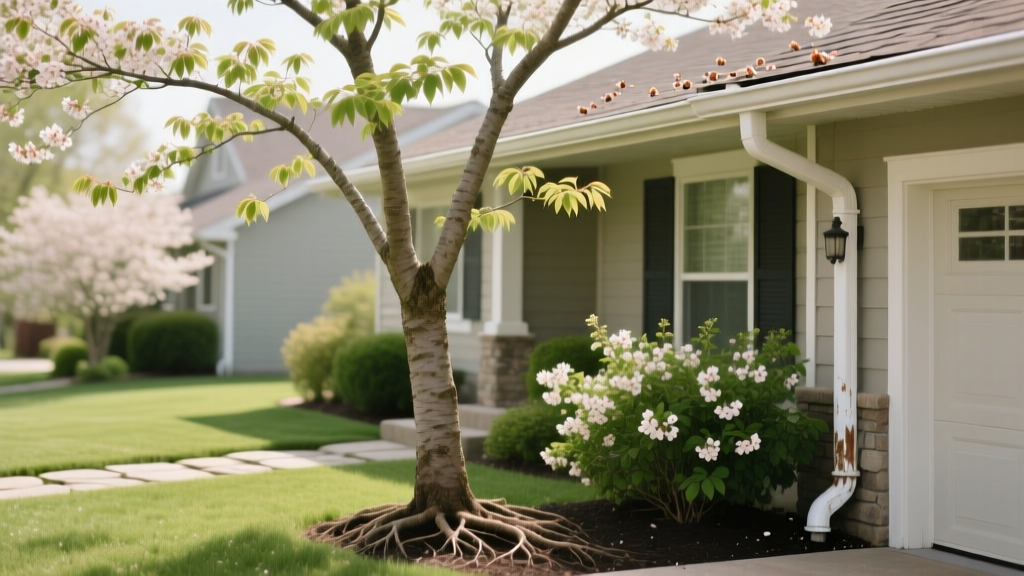
Best Trees for Clean Gutters & Downspouts: Spring 2026 Guide
Mike RodriguezPublished
The Hidden Cost of Poor Tree Placement
As homeowners embrace the 2026 spring season, the intersection of landscaping and seasonal home maintenance has never been more critical. While a lush, shaded yard is a hallmark of beautiful outdoor living, poor tree selection and improper planting distances can turn your spring maintenance routine into a costly nightmare. Specifically, your home's gutter system and downspout drainage networks bear the brunt of poorly planned landscaping. When spring arrives, trees shed a massive amount of organic material—ranging from seed pods and catkins to blossoms and pollen—which quickly overwhelms standard gutter guards and clogs downspout extensions.
Beyond the immediate mess of clogged gutters, the root systems of certain tree species pose a severe threat to underground downspout drains and French drains. In 2026, with extreme weather events and heavy spring downpours becoming more frequent, ensuring your roof runoff is efficiently directed away from your foundation is paramount. According to the University of Minnesota Extension, tree roots are naturally drawn to the moisture and oxygen leaks that often occur around underground drainage pipes and downspout splash blocks. By selecting the right trees and planting them at strategic distances, you can drastically reduce your spring gutter cleaning workload and protect your home's foundational drainage infrastructure.
How Trees Impact Spring Gutter Cleaning and Downspout Flow
Many homeowners mistakenly believe that autumn is the only season for gutter maintenance. However, spring presents a unique set of challenges. Deciduous trees release 'helicopter' seeds (samaras), sticky catkins, and delicate flower petals that easily bypass mesh gutter screens. When these materials mix with heavy spring rains, they form a dense, sludge-like papier-mâché that blocks downspout openings.
Furthermore, the physical location of the tree dictates the health of your downspout extensions. If a tree with an aggressive, shallow root system is planted too close to a downspout discharge zone, the roots will seek out the constant moisture. Over time, these roots can crush corrugated plastic downspout extensions, infiltrate PVC joints, and completely block the flow of water, leading to basement flooding and soil erosion near the foundation. The Penn State Extension emphasizes that proper stormwater management via downspouts requires keeping the discharge zones clear of root intrusion and organic debris buildup.
Top Gutter-Friendly Trees to Plant in 2026
When planning your landscape this year, prioritize trees with low litter rates, non-invasive taproots, and compact canopies that won't overhang your roofline. Here are the top recommendations for gutter-friendly tree selection.
1. Japanese Maple (Acer palmatum)
Japanese Maples are a staple in modern 2026 landscape design, prized for their striking foliage and manageable size. Unlike their massive silver or sugar maple cousins, Japanese Maples grow slowly and typically max out at 15 to 25 feet in height. Their leaves are relatively small and tend to drop cleanly in the fall rather than shedding messy seeds and catkins in the spring. Because their root systems are generally well-behaved and non-invasive, they are safe to plant near underground downspout extensions, provided you maintain a minimum distance of 10 feet from the foundation.
2. Flowering Dogwood (Cornus florida)
The Flowering Dogwood is a spectacular spring bloomer that adds immense curb appeal without wreaking havoc on your gutter system. Dogwoods produce small, fleshy berries in the late summer and fall, but their spring debris is minimal. The blossoms are lightweight and rarely cause significant downspout clogs. More importantly, Dogwoods feature a shallow but non-aggressive root system that rarely damages underground drainage pipes. They thrive in the partial shade often found on the north and east sides of a home, making them an ideal understory tree that won't drop heavy branches onto your roof during spring storms.
3. Male Ginkgo Biloba (Ginkgo biloba 'Autumn Gold')
Ginkgo trees are virtually indestructible, highly resistant to urban pollution, and boast stunning golden fall color. However, you must be careful to select a male cultivar, such as 'Autumn Gold' or 'Princeton Sentry'. Female Ginkgo trees drop foul-smelling, slippery fruit in the fall that can stain hardscaping and clog drainage grates. Male trees produce zero fruit and have very tidy spring foliage habits. Their deep taproots also mean they are less likely to send surface roots creeping toward your downspout splash blocks. The Arbor Day Foundation highly recommends male Ginkgo cultivars for urban and suburban planting due to their resilience and low maintenance requirements.
Trees to Avoid Near Your Roofline and Drainage
Equally important to knowing what to plant is knowing what to avoid. The following trees are notorious for causing spring gutter clogs and destroying underground drainage systems.
1. Sweetgum (Liquidambar styraciflua)
While Sweetgums offer brilliant autumn colors, they produce thousands of spiky, woody seed pods known as 'gumballs' that drop continuously from late fall through early spring. These gumballs are the exact size and shape to perfectly wedge themselves into standard 2x3 inch downspout openings, creating impenetrable blockages that are incredibly difficult to flush out with a garden hose.
2. Pine Trees (Pinus spp.)
Pine trees shed their needles year-round, but the heavy spring shedding combined with sap and pollen can create a highly acidic, sticky sludge in your gutters. This sludge accelerates the corrosion of aluminum gutters and binds together in downspout elbows, requiring professional hydro-jetting to remove. Additionally, the shallow, wide-spreading roots of many pine species can easily heave and crack underground downspout drainage trenches.
3. Weeping Willow (Salix babylonica)
Willows are aggressively thirsty trees with massive, invasive root systems. Planting a Weeping Willow anywhere near your home's downspout discharge area is an invitation for disaster. The roots will actively seek out the moisture from your downspout extensions, rapidly infiltrating pipe joints, crushing corrugated tubing, and causing severe backups that direct thousands of gallons of spring rainwater straight into your basement.
Strategic Planting Distances for Downspout Protection
To ensure your spring maintenance remains manageable and your drainage infrastructure stays intact, adhere to the following planting distance guidelines. These measurements account for both the mature canopy spread (to prevent roof overhang and leaf drop) and the mature root spread (to protect underground pipes).
| Tree Species | Mature Canopy Spread | Min. Distance from Roofline | Min. Distance from Downspout Drains |
|---|---|---|---|
| Japanese Maple | 15 - 20 ft | 10 ft | 8 ft |
| Flowering Dogwood | 15 - 25 ft | 12 ft | 10 ft |
| Male Ginkgo Biloba | 25 - 35 ft | 20 ft | 15 ft |
| Red Maple (Acer rubrum) | 30 - 50 ft | 25 ft | 20 ft |
| Weeping Willow (Avoid) | 30 - 50 ft | 50+ ft | 50+ ft |
Protecting Downspout Extensions from Root Intrusion
If you are inheriting a landscape with existing trees near your downspouts, or if you must plant in a smaller yard, you can protect your drainage system using physical root barriers. In 2026, high-density polyethylene (HDPE) and copper-infused root barriers are the industry standard for deflecting aggressive roots away from underground PVC downspout extensions and French drains.
To install a root barrier, dig a narrow trench between the tree and the downspout drainage line, typically 18 to 24 inches deep. Insert the HDPE barrier panel, ensuring the top edge sits slightly above the soil grade to prevent roots from growing over the top. This forces the roots to grow deeper and away from the moisture-rich environment of your downspout discharge zone. Additionally, upgrading from flimsy corrugated black tubing to rigid Schedule 40 PVC for your underground downspout extensions will provide a physical barrier that most fine feeder roots cannot penetrate.
Smart Home Integration for Gutter Monitoring in 2026
Bridging the gap between outdoor landscaping and indoor smart home technology is a major trend in 2026. For homeowners with mature trees that inevitably drop spring debris, integrating smart gutter and downspout sensors can save thousands of dollars in water damage repairs. Modern IoT water management systems, such as advanced iterations of the Moen Flo network, now include localized acoustic and moisture sensors designed specifically for downspout monitoring.
These smart sensors can be attached to the exterior of your downspouts near the ground level. If a spring seed pod clog causes water to back up and overflow at the top of the gutter, or if an underground root blockage causes water to pool near the foundation, the sensor detects the anomalous moisture and vibration patterns. It immediately sends an alert to your smartphone, allowing you to target your spring gutter cleaning efforts precisely where they are needed, rather than spending hours inspecting every foot of the roofline.
Conclusion
Spring gutter cleaning and downspout maintenance do not have to be a dreaded seasonal chore. By approaching your landscape design with a strategic, maintenance-minded perspective, you can enjoy the shade, beauty, and environmental benefits of trees without sacrificing the integrity of your home's water management system. Choose low-litter, deep-rooted species like Japanese Maples and Flowering Dogwoods, respect the planting distances required to keep canopies off your roof, and utilize modern root barriers and smart sensors to protect your investment. A well-planned 2026 landscape is one that works in harmony with your home, keeping your gutters clear and your foundation dry season after season.
