Home & Garden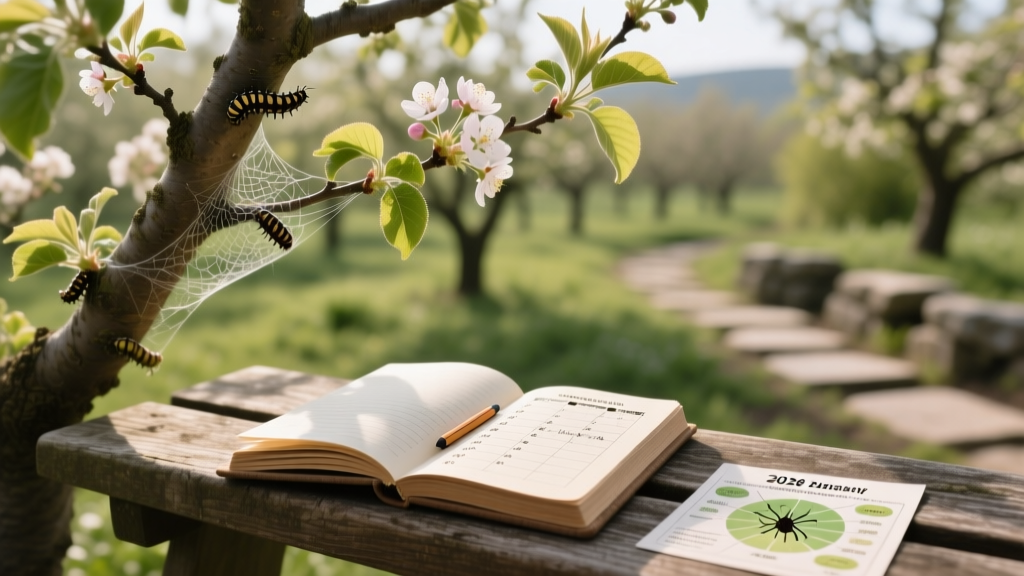
2026 Garden Journal: Tree Webworm Control & Harvest
David ParkPublished
Transforming Your 2026 Garden Journal Into a Pest-Control Powerhouse
As we navigate the 2026 growing season, the modern home orchardist and gardener knows that a garden journal is no longer just a place for pretty sketches and rainfall totals. It is a critical, data-driven tool for integrated pest management (IPM). For those managing fruit trees, nut trees, and ornamental shade trees, few pests are as visually alarming and potentially damaging as tree webworms. Whether you are battling the spring-emerging Eastern Tent Caterpillar (Malacosoma americanum) or the late-summer Fall Webworm (Hyphantria cunea), integrating pest tracking into your planting calendar and harvest log is essential for protecting your yields.
In 2026, climate shifts have led to slightly earlier spring emergences in many hardiness zones, making meticulous record-keeping more important than ever. By merging your garden journal planning with targeted tree webworm control strategies, you can anticipate hatching events, time biological sprays perfectly, and accurately log how pest pressure impacts your final harvest.
The Planting Calendar: Strategic Siting and Resistant Varieties
Your garden journal’s planting calendar should do more than tell you when to sow seeds; it should map out the ecological vulnerabilities of your landscape. Webworms are not overly picky, but they heavily favor specific host trees, including wild cherry, pecan, hickory, mulberry, and certain apple cultivars. When planning your 2026 orchard expansions or landscape renovations, use your journal to designate buffer zones.
Mapping Host Trees and Buffer Zones
Open your journal to your property map and color-code existing trees. Mark highly susceptible species in red. When planning new plantings for the 2026 season, prioritize webworm-resistant or less-preferred species in the immediate vicinity of your most valuable harvest trees. For example, planting Persian ironwood or ginkgo near your primary apple orchard creates a natural break that discourages localized webworm migration.
- Highly Susceptible (Track Closely): Black cherry, pecan, persimmon, mulberry, willow.
- Moderately Susceptible: Apple, crabapple, oak, elm.
- Rarely Affected (Use as Buffers): Conifers, ginkgo, sycamore, tulip poplar.
By logging these planting decisions in your 2026 calendar, you create a multi-year blueprint that naturally suppresses pest populations through strategic biodiversity.
Tracking the Webworm Life Cycle and Growing Degree Days
The most effective way to use your garden journal for webworm control is by tracking Growing Degree Days (GDD). Webworm egg hatching is triggered by accumulated heat units in the spring. By recording daily high and low temperatures in your journal, you can predict exactly when the caterpillars will emerge from their overwintering egg masses.
Spring: Egg Mass Identification and Early Intervention
In late winter and early spring, use your journal to log the locations of dormant egg masses. Eastern tent caterpillar egg masses look like shiny, dark gray foam rings encircling small twigs. Mark these on your property map. If you spot them before bud break, your journal should remind you to schedule manual removal or apply a dormant horticultural oil (such as Bonide All Seasons Horticultural Oil, retailing around $14 per quart in 2026) to smother the eggs.
Summer: Tent Building and Biological Sprays
As spring transitions to summer, your calendar must prompt you to inspect the crotches of tree branches for the silken tents of the Eastern Tent Caterpillar. Later in the year, the Fall Webworm will build its messy webs at the terminal ends of branches. This is where your journal’s action log comes into play. When you spot the first small tents, record the date and immediately schedule an application of Bacillus thuringiensis var. kurstaki (Btk). Products like Monterey B.t. (approximately $18 for a 16 oz bottle in 2026) are highly effective when ingested by young larvae but are completely safe for beneficial insects, birds, and humans.
Designing Your Harvest Log for Affected Orchards
A harvest log is traditionally used to track the weight and quality of your yield. However, for the IPM-focused gardener, the 2026 harvest log must also quantify the impact of pest pressure. If a specific apple or pecan tree suffered a heavy webworm infestation, the defoliation can reduce the tree's photosynthetic capacity, leading to smaller fruit, premature nut drop, or reduced yields the following year.
Below is a structured template you can draw into your physical journal or replicate in digital gardening apps like Gardenize or Planter.
| Tree ID / Species | Harvest Yield (lbs) | Webworm Pressure (1-5) | Btk Application Date | Defoliation Estimate | 2026 Notes & Action Items |
|---|---|---|---|---|---|
| Apple #1 (Honeycrisp) | 42.5 | 2 | May 14, 2026 | < 5% | Minor edge webbing. Prune affected tips next Feb. |
| Pecan (Stuart) | 18.0 | 4 | Missed Window | 35% | Heavy fall webworm damage. Plan soil drench for 2027. |
| Cherry (Montmorency) | 65.2 | 1 | N/A | 0% | Excellent yield. Buffer planting worked perfectly. |
By cross-referencing your harvest weights with your webworm pressure scores, you will quickly identify which trees require more aggressive winter pruning or early-spring biological interventions in the following year.
Integrating Smart Tools and 2026 IPM Practices
While a leather-bound journal is a joy to use, the 2026 gardener should leverage technology to enhance their webworm tracking. Many modern garden journaling apps now allow you to set recurring, location-based reminders. You can pin the GPS coordinates of your most susceptible cherry trees and set an alert for late April to inspect for Eastern Tent Caterpillar hatching.
Furthermore, your journal should include a dedicated section for Economic Thresholds. The EPA's Integrated Pest Management principles emphasize that not all pests require eradication. Fall webworms, for instance, often appear late in the season when the tree has already completed the majority of its photosynthetic work for the year. Your journal should reflect a decision matrix: if the webworms appear in September on a mature, healthy shade tree, the most ecologically sound and cost-effective action is often to do nothing and let the natural predatory wasps and birds handle the caterpillars. However, if the webs appear in June on a young, newly planted fruit tree, your journal should trigger an immediate Btk application to prevent stunted growth.
Essential 2026 Toolkit for the Journaling Gardener
- Long-Reach Pruning Shears: Essential for snipping out early-stage tents without damaging the branch collar. Look for carbon-steel bypass loppers with a 14-foot telescopic pole.
- Monterey B.t. or Thuricide: Your primary biological control. Log the exact dilution rates (usually 1.5 oz per 3 gallons of water) and spray dates to ensure you do not over-apply.
- Hand Lens (10x to 30x): Use this to inspect egg masses in the winter. Logging the exact color and texture helps you differentiate between webworm eggs and beneficial insect casings.
Authoritative Resources for Continued Learning
To keep your garden journal informed by the latest entomological research, regularly consult university extension programs. The Penn State Extension guide on Fall Webworms provides excellent, up-to-date visual aids for identifying the different larval stages and understanding their specific host preferences in the Northeast and Midwest. Additionally, referencing your local university's IPM portal will help you calibrate your journal's GDD tracking to your specific microclimate.
Ultimately, the goal of integrating tree webworm control into your 2026 garden journal is to shift your mindset from reactive panic to proactive management. By meticulously logging planting decisions, tracking life cycles, and analyzing harvest impacts, you transform your garden journal into the ultimate weapon for maintaining a lush, productive, and ecologically balanced landscape.
