Lawn Care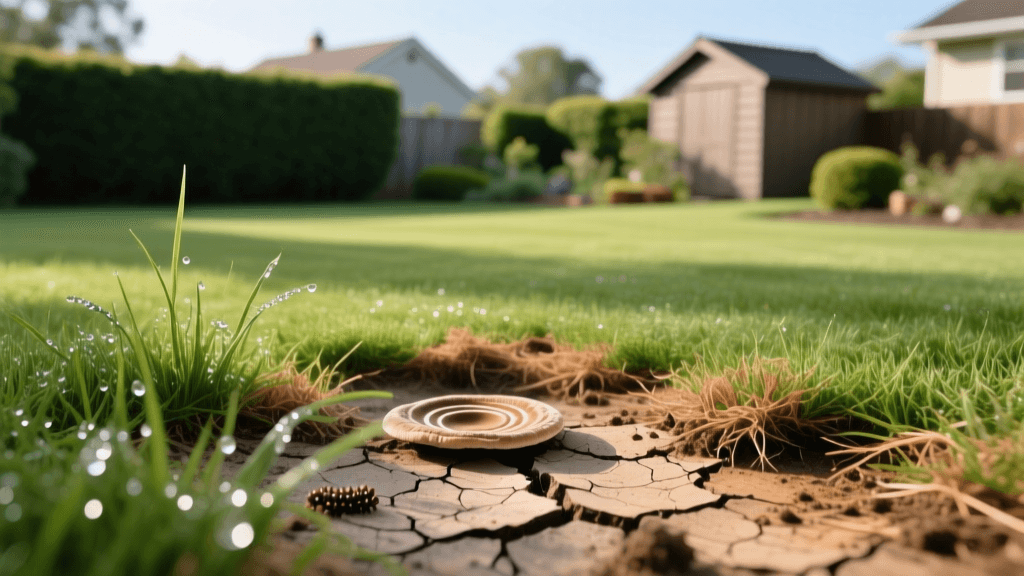
Diagnosing Brown Patches: Fungus, Grubs, or Drought?
The High Cost of Misdiagnosis
Every summer, homeowners face the same sinking feeling when stepping onto their property: the sudden appearance of ugly, irregular brown patches in an otherwise vibrant green lawn. A pristine turf is a point of pride and a significant contributor to property value, making these dead zones incredibly frustrating. However, the most critical mistake a homeowner can make is rushing to apply a random treatment without identifying the root cause. Misdiagnosis is not only a waste of time and money, but it can also exacerbate the problem. For instance, heavily watering a lawn suffering from a fungal pathogen will create the exact humid, moist conditions the fungus needs to spread rapidly. To effectively troubleshoot and revive your turf, you must play detective. This comprehensive guide will walk you through the primary culprits behind brown patches—drought stress, grub infestations, fungal diseases, and soil compaction—and provide actionable, professional-grade solutions for each.
1. Drought Stress and Summer Dormancy
Cool-season grasses, such as Kentucky bluegrass and tall fescue, are highly susceptible to summer heat stress. When temperatures consistently exceed 85°F and rainfall is scarce, these grasses will naturally enter a state of summer dormancy to conserve energy, resulting in a uniform brown or yellowish hue. However, localized brown patches often indicate uneven irrigation or poor soil water retention rather than true dormancy. To diagnose drought stress, perform the 'footprint test.' Walk across the brown area and look back; if your footprints remain visible and the grass blades do not spring back, the turf is severely dehydrated. Next, use the 'screwdriver test.' Push a standard six-inch screwdriver into the soil. If you meet heavy resistance before the tool sinks completely, the soil profile is bone dry.
The solution is deep, infrequent watering. According to the EPA WaterSense program, lawns generally require about one to 1.5 inches of water per week. Invest in a smart irrigation controller (typically costing $150 to $250) that adjusts watering schedules based on local weather data, ensuring you water deeply between 4:00 AM and 8:00 AM to minimize evaporation and reduce fungal risks.
2. Grub Infestations: The Root Eaters
If your brown patches feel spongy underfoot and the turf can be rolled back like a loose carpet, you are likely dealing with a white grub infestation. Grubs are the larval stage of beetles, such as Japanese beetles, June bugs, and European chafers. They reside just below the soil surface, aggressively feeding on grassroots and severing the plant's ability to absorb water and nutrients. A definitive sign of grubs is the presence of secondary damage: nocturnal animals like skunks, raccoons, and crows tearing up your lawn to feast on the protein-rich larvae.
To confirm, perform the 'tug test.' Grab a handful of grass at the edge of a brown patch and pull upward. If it lifts effortlessly with no root resistance, grubs are the culprit. Dig up a one-square-foot section of turf; finding more than five to ten grubs per square foot warrants immediate treatment. For curative control in late summer or early fall, apply a fast-acting insecticide containing Trichlorfon (commonly sold as Dylox), which costs around $30 per bag and kills active grubs within 48 hours. For long-term preventative care, apply Chlorantraniliprole (Scotts GrubEx) in early summer. As noted by Penn State Extension, preventative treatments are vastly superior because they target the grubs when they are small and most vulnerable, protecting the root system before severe damage occurs.
3. Fungal Pathogens: Brown Patch and Dollar Spot
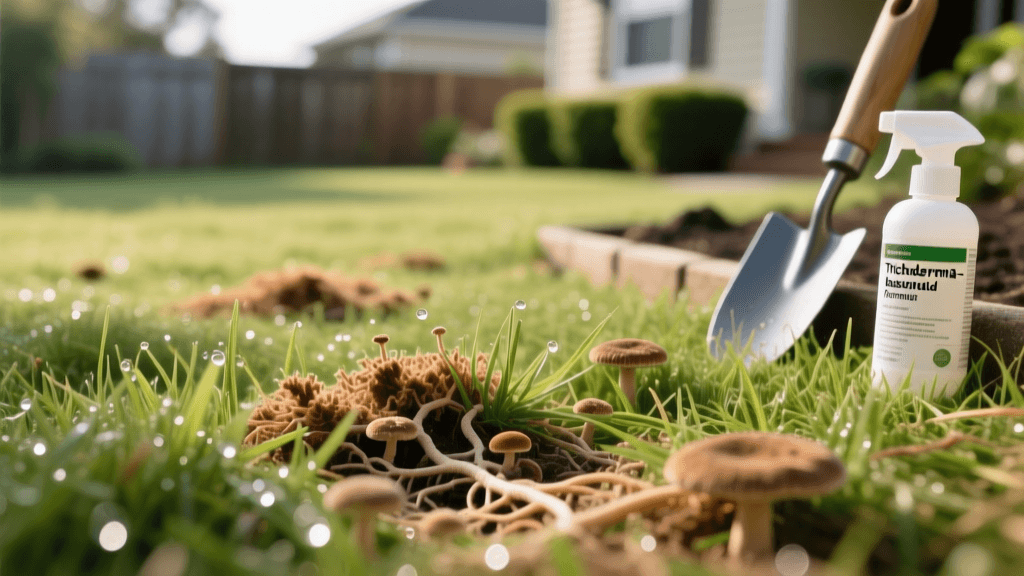
Fungal diseases thrive in environments with high humidity, poor air circulation, and extended periods of leaf wetness. The most notorious offender for cool-season lawns is Brown Patch, caused by the pathogen Rhizoctonia solani. According to NC State University's TurfFiles, Brown Patch typically strikes when nighttime temperatures remain above 65°F paired with high moisture. Unlike the spongy feel of grub damage, fungus-affected grass remains firmly rooted but displays distinct lesions on the leaf blades. In the early morning dew, you might even spot a 'smoke ring'—a dark, grayish-purple border encircling the brown patch, or a cobweb-like white mycelium on the grass blades.
Dollar spot is another common fungus, presenting as small, silver-dollar-sized bleached patches that eventually merge. To combat fungal outbreaks, cultural practices are your first line of defense: avoid evening watering, reduce nitrogen fertilization during peak summer heat, and mow at the highest recommended height to promote airflow. If the outbreak is severe, chemical intervention is necessary. Apply a systemic fungicide containing Propiconazole or Azoxystrobin. Professional-grade liquid fungicides cost between $40 and $70 and should be applied using a pump sprayer for even coverage. Crucially, you must rotate fungicide FRAC (Fungicide Resistance Action Committee) codes every few weeks to prevent the pathogen from developing chemical resistance.
4. Soil Compaction and Thatch Buildup
Sometimes, brown patches are neither pest nor disease, but a physical soil issue. Heavy foot traffic, playing children, and parking on the grass lead to soil compaction, which crushes the pore spaces necessary for oxygen, water, and nutrient movement. Additionally, a thatch layer—the interwoven mat of dead and living organic matter between the soil and grass blades—can become problematic if it exceeds half an inch in thickness. Excessive thatch acts like a sponge, trapping moisture against the crown of the plant (inviting fungus) while simultaneously preventing water from reaching the root zone (mimicking drought).
To diagnose compaction, try pushing a garden spade into the soil; if it bends or refuses to penetrate, your soil is compacted. The remedy is core aeration, a process that extracts small plugs of soil to alleviate pressure and allow the root zone to breathe. Renting a core aerator costs about $70 to $100 for a half-day, or you can hire a professional lawn service for $15 to $20 per 1,000 square feet. Follow aeration with a light top-dressing of compost to introduce beneficial microbes that naturally break down thatch.
Diagnostic Comparison Chart
| Symptom / Test | Drought Stress | Grub Infestation | Fungal Disease |
|---|---|---|---|
| Turf Rooting | Firmly rooted, but dry | Lifts easily like carpet | Firmly rooted, blades spotted |
| Soil Moisture | Hard, dry, resists probing | Moist or normal | Often damp or humid |
| Visual Clues | Footprints remain visible | Animal digging, spongy feel | Smoke rings, leaf lesions |
| Primary Treatment | Deep, infrequent irrigation | Trichlorfon or Chlorantraniliprole | Propiconazole or Azoxystrobin |
Your Step-by-Step Troubleshooting Routine
- Observe the Pattern: Are the patches uniform (drought), irregular and spongy (grubs), or circular with distinct borders (fungus)?
- Perform Physical Tests: Use the footprint test for drought, the tug test for grubs, and inspect individual grass blades under a magnifying glass for fungal lesions.
- Check Environmental Triggers: Review recent weather. Has it been hot and dry (drought)? Hot, humid, and rainy (fungus)? Or late summer following a heavy beetle mating season (grubs)?
- Apply Targeted Treatment: Purchase the specific amendment, insecticide, or fungicide required. Avoid broad-spectrum 'weed and feed' or combination products, as they can stress an already compromised lawn.
- Monitor and Adjust: Give the treatment 7 to 14 days to show results. If the brown patches continue to expand, re-evaluate your diagnosis or consult a local university extension office for a professional soil and tissue analysis.
By methodically diagnosing the true cause of your lawn's brown patches, you save money on ineffective treatments and restore your turf's health efficiently. A healthy lawn begins beneath the soil, so prioritize proper watering, proactive pest management, and annual aeration to keep your grass resilient year-round.