Lawn Care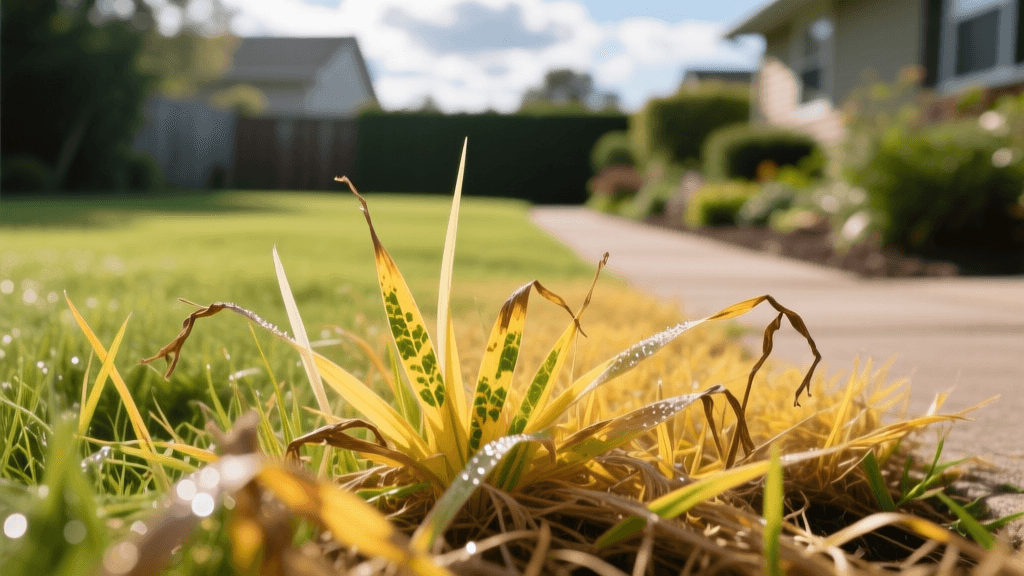
Troubleshooting Yellow Grass: Diagnose and Fix Your Lawn
Introduction to Yellowing Grass
A vibrant, emerald-green lawn is the pride of any homeowner, serving as the foundation of your landscape's curb appeal. However, when your once-lush turf begins to turn yellow, it can be a source of immense frustration. Yellowing grass is not a disease itself, but rather a symptom of underlying stress. According to the University of Minnesota Extension, turfgrass discoloration can stem from a wide variety of environmental, cultural, and biological factors. To restore your lawn to its former glory, you must first play detective. This comprehensive troubleshooting guide will help you diagnose the exact cause of your yellow lawn and provide actionable, step-by-step solutions to fix it.
The Most Common Causes of a Yellow Lawn
Before you rush to the garden center to buy a random bag of fertilizer, it is crucial to understand the primary culprits behind turfgrass chlorosis (yellowing). The pattern, timing, and texture of the yellowing will give you the clues you need.
1. Nitrogen Deficiency
Nitrogen is the most critical macronutrient for turfgrass, responsible for vigorous blade growth and deep green coloration. When your lawn lacks nitrogen, the yellowing typically appears uniformly across the entire yard. The older, lower leaves will turn pale green and eventually yellow, while overall growth slows down dramatically. If you notice that your grass is yellowing and you haven't fertilized in over a year, nitrogen deficiency is the most likely suspect.
2. Iron Chlorosis
Unlike nitrogen deficiency, iron chlorosis presents a very distinct visual pattern known as interveinal chlorosis. The leaf blades will turn yellow, but the veins of the leaves will remain distinctly green. This issue is incredibly common in soils with a high pH (alkaline soils above 7.0), which locks up iron and prevents the grass roots from absorbing it, even if iron is present in the soil. As noted by Clemson University Cooperative Extension, iron chlorosis is particularly prevalent in warm-season grasses like centipedegrass and St. Augustinegrass during the peak heat of summer.
3. Overwatering and Poor Drainage
It is a common misconception that more water equals a greener lawn. Overwatering suffocates grass roots by displacing oxygen in the soil pore spaces. When roots cannot breathe, they begin to rot and fail to uptake nutrients, leading to a yellow, wilted appearance. Overwatered lawns often feel spongy underfoot and may develop a foul, anaerobic odor. Furthermore, excessive moisture creates the perfect breeding ground for fungal pathogens.
4. Fungal Diseases
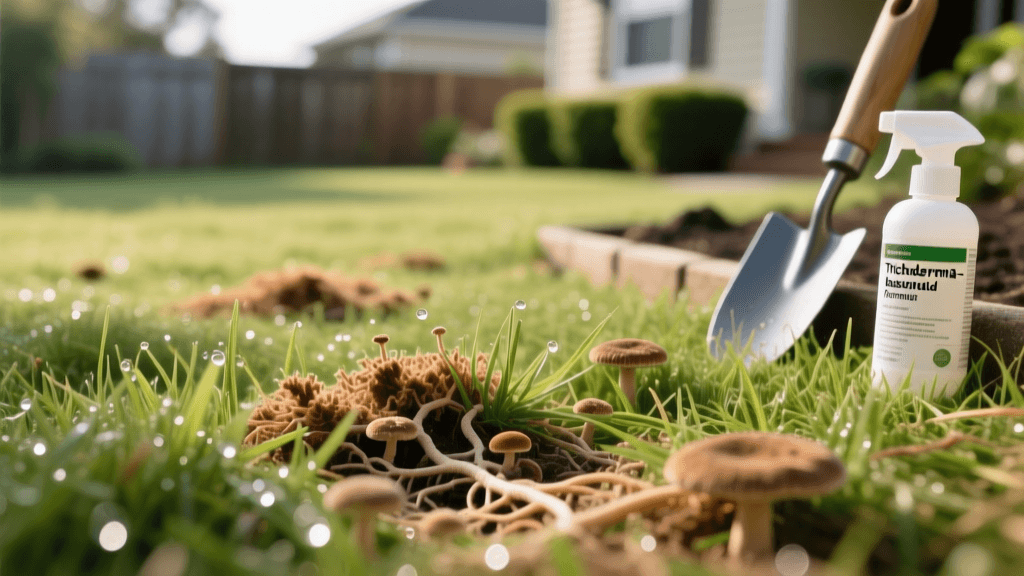
Fungal infections thrive in warm, humid conditions, especially when lawns are overwatered or mowed with dull blades. Diseases like Brown Patch, Dollar Spot, and Summer Patch cause distinct yellow or brown circular patches that expand outward over time. According to Penn State Extension, accurate identification of the specific fungus is vital, as different pathogens require different chemical and cultural interventions.
5. Dog Urine Spots
If the yellowing appears in random, isolated spots with a ring of dark green, highly stimulated grass around the perimeter, you are likely dealing with dog urine. The high concentration of nitrogen and salts in canine urine burns the grass in the center while fertilizing the outer edges.
Diagnostic Table: Identifying the Root Cause
Use the following diagnostic chart to narrow down the specific issue affecting your turfgrass based on visual symptoms and environmental conditions.
| Symptom Pattern | Likely Cause | Soil / Environmental Condition | Immediate Diagnostic Test |
|---|---|---|---|
| Uniform pale green to yellow overall | Nitrogen Deficiency | Sandy soils, heavy rainfall leaching | Review fertilization history; soil test |
| Yellow blades with distinct green veins | Iron Chlorosis | High soil pH (alkaline), compacted soil | pH soil test; check for recent lime applications |
| Yellowing with spongy, wet soil | Overwatering / Shallow Roots | Clay soils, poor drainage, daily watering | Screwdriver test (pushes in too easily); check irrigation timer |
| Circular yellow/brown patches expanding | Fungal Disease (e.g., Brown Patch) | High humidity, night watering, thatch buildup | Inspect grass blades for lesions or mycelium at dawn |
| Isolated yellow spots with dark green rings | Dog Urine Burn | High traffic pet areas | Visual confirmation; check for pet activity |
Actionable Fixes and Treatment Plans
Once you have diagnosed the problem using the chart above, it is time to implement a targeted treatment plan. Guesswork will only waste your time and money.
Step 1: Conduct a Professional Soil Test
Before applying any amendments, you must know your soil's baseline. Purchase a soil test kit from your local university cooperative extension office or a reputable private lab like SoilKit or Logan Labs. The cost typically ranges from $15 to $30. The results will provide exact measurements of your soil's pH, phosphorus, potassium, and micronutrient levels, along with tailored lime and fertilizer recommendations. If your pH is above 7.2, you must apply elemental sulfur to lower it before iron applications will be effective.
Step 2: Correcting Nutrient Deficiencies
For Nitrogen Deficiency: Apply a high-quality, slow-release nitrogen fertilizer. A product like Scotts Turf Builder Lawn Food (32-0-4) or an organic option like Milorganite (6-4-0) is ideal. Apply at a rate of 1.0 pound of actual nitrogen per 1,000 square feet. For a 5,000-square-foot lawn, this will cost approximately $35 to $45. Water the fertilizer in lightly with about 1/4 inch of water to activate it and prevent leaf burn.
For Iron Chlorosis: Do not apply more standard nitrogen, as this can exacerbate the issue by forcing rapid, weak growth. Instead, apply a chelated liquid iron product, such as LawnStar Liquid Iron (6% Fe) or Southern Ag Chelated Liquid Iron. Chelated iron remains available to the plant even in higher pH soils. Mix 3 to 5 ounces per gallon of water and spray evenly over 1,000 square feet. You should see a dramatic greening effect within 24 to 48 hours. Cost: roughly $25 for a 32-ounce bottle.
Step 3: Adjusting Irrigation Practices
If overwatering is the culprit, immediately halt your daily watering routine. Turfgrass requires deep, infrequent watering to encourage deep root growth. Aim for 1 to 1.5 inches of water per week, including rainfall. To measure this, place three empty tuna cans in different zones of your yard and run your sprinklers until the cans collect 1/2 inch of water; run them twice a week. Watering should always be done in the early morning (between 4:00 AM and 8:00 AM) so the grass blades dry quickly in the sun, depriving fungal spores of the moisture they need to germinate.
Step 4: Fungicide Applications for Disease
If you have confirmed a fungal disease like Brown Patch or Dollar Spot, cultural practices alone will not cure an active outbreak. You will need to apply a systemic fungicide. Products containing active ingredients like Propiconazole (e.g., BioAdvanced Fungus Control for Lawns) or Azoxystrobin (e.g., Scotts DiseaseEx) are highly effective. Apply the granular or liquid fungicide at the curative rate listed on the label—usually 2 to 4 times higher than the preventative rate. Cost: $20 to $35 per treatment. Rotate your fungicide chemical classes (FRAC codes) every 28 days to prevent the fungus from developing resistance.
Step 5: Managing Dog Urine Spots
To fix existing urine burns, rake out the dead grass, flush the area with a gallon of water to dilute the residual salts, and reseed with a matching grass variety. To prevent future damage, train your pet to use a specific mulched area of the yard, or immediately hose down the spot with water within five minutes of your dog urinating to dilute the nitrogen concentration before it burns the leaf tissue.
Preventative Lawn Care Maintenance
Troubleshooting a yellow lawn is much harder than preventing one from turning yellow in the first place. Implement these seasonal maintenance routines to keep your turf resilient:
- Core Aeration: Perform core aeration annually (in early fall for cool-season grasses, late spring for warm-season grasses) to relieve soil compaction, improve water infiltration, and allow oxygen to reach the root zone.
- Proper Mowing: Never remove more than one-third of the grass blade in a single mowing. Keep your mower blades razor-sharp; dull blades tear the grass, leaving ragged, yellowish tips that are highly susceptible to disease.
- Thatch Management: Keep the thatch layer (the spongy layer of dead organic matter between the soil and the green blades) below 1/2 inch. Excessive thatch blocks water and nutrients while harboring fungal pathogens.
By carefully observing your lawn's symptoms, testing your soil, and applying targeted, science-backed treatments, you can successfully troubleshoot yellow grass and restore a thick, healthy, and vibrant landscape.