Gardening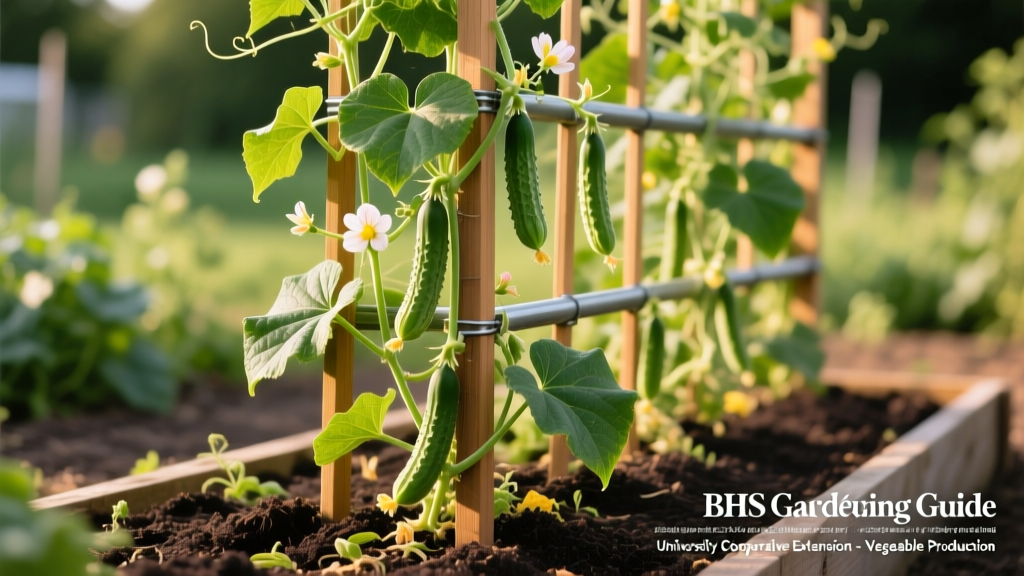
Vertical Trellis Systems For Cucumbers And Peas
Why Vertical Trellising Maximizes Yield and Minimizes Disease
Vertical trellis systems transform cucumber and pea cultivation from sprawling ground-hugging chaos into organized, productive vertical gardens. When trained upward, both crops receive improved air circulation—reducing foliar diseases like powdery mildew by up to 40% compared with horizontal growth (University of California Cooperative Extension, 2021). Sunlight penetration increases across all leaf layers, boosting photosynthetic efficiency and fruit set. For cucumbers, vertical training reduces fruit contact with damp soil, virtually eliminating rot and scarring. Peas benefit from cooler microclimates near the top of trellises during midday heat spikes—a critical advantage in USDA Zones 7–9 where temperatures regularly exceed 85°F.
Optimal Trellis Structures for Cucumbers and Peas
Cucumbers require sturdy, load-bearing support due to their heavy, pendulous fruits and vigorous vines. A recommended minimum is 6-foot-tall A-frame or T-bar trellis constructed from galvanized steel posts (1.25-inch diameter) and 12-gauge welded wire mesh with 4-inch × 4-inch openings. Peas, especially tall varieties like ‘Alderman’ or ‘Telephone’, thrive on lighter-weight netting systems: nylon or polypropylene twine stretched taut between 7-foot cedar posts spaced 8 feet apart, with horizontal supports every 18 inches.
Material Durability and Lifespan
Galvanized steel trellises last 12–15 years in humid climates like those around Asheville, North Carolina, whereas untreated wood posts degrade within 3–4 seasons. The Royal Horticultural Society (RHS, 2020) advises against using copper-treated lumber near edible crops due to potential leaching into root zones.
Installation Depth and Anchoring
Posts must be driven at least 24 inches into undisturbed subsoil—not just topsoil—to withstand wind loads during thunderstorms common in the Midwest Corn Belt. In clay-dominant soils typical of central Illinois, post holes should be backfilled with 3 inches of gravel before concrete setting to prevent frost heave.
Planting Dates by USDA Hardiness Zone
Timing is non-negotiable for success. Direct-seed peas as soon as soil reaches 45°F and drains freely—typically 3–4 weeks before the last spring frost. Cucumbers, being warm-season sensitive, require soil consistently above 60°F at 2-inch depth, usually 1–2 weeks after the last frost. Below are verified planting windows based on 30-year NOAA climate normals and extension recommendations:
| USDA Zone | Pea Planting Window | Cucumber Planting Window | Soil Temp Threshold (°F) |
|---|---|---|---|
| Zone 4 (e.g., Fargo, ND) | April 15–May 10 | June 1–June 15 | 60 (cucumber), 45 (pea) |
| Zone 7 (e.g., Richmond, VA) | February 20–March 15 | April 15–May 1 | 60 (cucumber), 45 (pea) |
| Zone 9b (e.g., Phoenix, AZ) | October 15–November 30 | February 15–March 10 | 60 (cucumber), 45 (pea) |
Spacing, Training, and Pruning Protocols
Overcrowding defeats the purpose of vertical systems. For cucumbers, space seeds or transplants 12 inches apart along the base of the trellis. Peas require slightly tighter spacing: 3 inches apart for bush types, 4 inches for vining cultivars. Rows should be spaced 36 inches apart to allow access for harvesting and pruning without trampling adjacent plants.
Train seedlings when they reach 6–8 inches tall. Gently wrap tendrils around twine or mesh—never force stems. Remove lateral branches below the first fruit cluster on cucumbers to direct energy toward primary vine development. For peas, pinch off the terminal bud once vines reach trellis top to encourage lateral flowering and extend harvest by 10–14 days.
- Maximum recommended vine height per plant: 8 feet for ‘Marketmore 76’ cucumbers
- Average pea pod count per plant: 30–45 pods on ‘Green Arrow’ under optimal trellised conditions
- Minimum trellis width for two rows: 36 inches to avoid shading
- Recommended irrigation frequency: Drip emitters delivering 1 gallon per plant per day during peak fruit set
- Soil pH target range: 6.0–6.8 for both crops, verified via lab testing at Cornell Soil Health Lab
Harvest Timing, Yield Metrics, and Post-Harvest Handling
Vertical systems accelerate maturity and concentrate harvest windows. Cucumbers reach picking size (6–8 inches long) 50–60 days after transplanting; trellised plants yield 2.5–3.2 pounds per linear foot over a 6-week season—up to 40% more than ground-planted equivalents (Ohio State University Extension, 2022). Peas harvested from trellises show 22% higher sugar content (Brix score) due to reduced stress and uniform ripening.
Harvest cucumbers daily during peak production to prevent oversized fruits that inhibit new flower formation. Pick peas in early morning when pods are crisp and sugars are highest. Use sharp scissors—not fingers—to avoid stem damage that invites fungal entry. Store harvested cucumbers unwashed at 45–50°F with 90–95% relative humidity; peas lose quality rapidly and should be processed or frozen within 4 hours of picking.
Yield Comparison Data
In replicated trials conducted at the University of Wisconsin–Madison’s Arlington Agricultural Research Station (2020–2022), trellised ‘Sugar Snap’ peas averaged 1.8 pounds per 10-foot row versus 1.1 pounds for ground-cultivated controls. Similarly, ‘Diva’ cucumbers produced 2.9 pounds per plant on vertical systems versus 1.7 pounds on flat beds—despite identical fertility inputs and irrigation schedules.
Common Mistakes to Avoid
Many gardeners install trellises too late—waiting until vines are 12+ inches tall makes training difficult and risks stem breakage. Others neglect seasonal maintenance: nylon netting degrades under UV exposure and must be replaced every 2 years. Also, failing to rotate trellis locations annually increases soil-borne pathogen buildup—especially Fusarium wilt in cucumbers and Aphanomyces root rot in peas.
“Trellising isn’t just about saving space—it’s a horticultural intervention that reshapes plant physiology, resource allocation, and disease ecology.” — Dr. Sarah K. Hensley, Vegetable Crop Specialist, Cornell Cooperative Extension, 2023
Soil preparation remains foundational. Incorporate 2–3 inches of well-composted manure and 1 cup of balanced organic fertilizer (5-5-5) per 10 linear feet prior to trellis installation. Conduct soil tests through your local extension office—such as the Oregon State University Extension Service in Corvallis—to calibrate micronutrient applications. Avoid high-nitrogen amendments after flowering begins; excess nitrogen promotes leafy growth at the expense of fruit and pod development.
Water management is equally critical. Drip lines placed 2 inches from the base of each plant deliver moisture directly to the root zone while keeping foliage dry. Monitor soil moisture at 4-inch depth with a calibrated tensiometer: maintain readings between 10–20 centibars during active fruiting. Mulch with 3 inches of straw or shredded bark to suppress weeds and buffer soil temperature swings—especially important in regions like the Texas Hill Country where summer soil surface temps exceed 120°F.
Success hinges on consistency—not complexity. Install trellises before planting. Measure spacing precisely. Record planting dates and first harvests in a field journal. Track pest pressure weekly: aphids on pea tendrils, cucumber beetles on young vines. Early detection allows targeted interventions—like releasing lady beetles for aphid control—before populations escalate.
Vertical systems also simplify scouting and harvesting. You’ll spot downy mildew lesions on cucumber leaves faster when foliage is elevated and unobstructed. Pea pods become visible without parting dense ground cover—reducing missed harvests and over-maturity. This visibility translates directly to labor efficiency: one gardener at the University of Vermont’s Horticulture Research Center reported cutting harvest time per 20-foot row by 37% compared to traditional methods.
Finally, consider succession planting. After early peas finish in mid-June (Zone 6), remove vines and trellis netting, amend soil with compost, and replant with a second crop of bush cucumbers trained on the same posts. This strategy extends productivity across 18–20 weeks in temperate zones—far beyond single-season ground plots.
