Home & Garden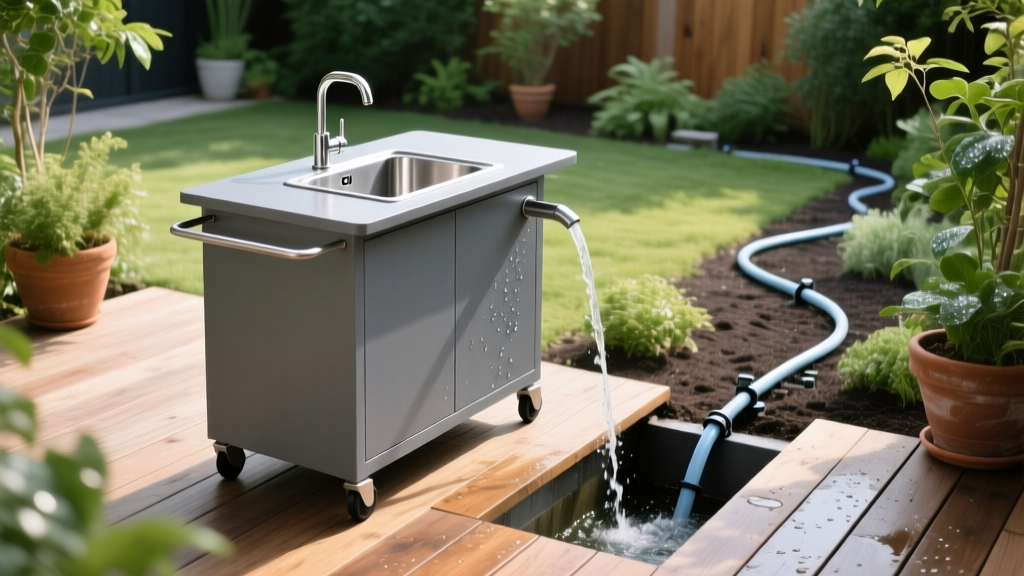
2026 Outdoor Bar Cart Sink & Greywater Irrigation Setup
Sarah ChenPublished
The 2026 Outdoor Entertaining Hub: Merging Bar Carts with Smart Irrigation
As outdoor living spaces continue to evolve in 2026, the boundary between indoor luxury and outdoor sustainability has completely blurred. Homeowners are no longer satisfied with simple patio furniture; they demand fully functional outdoor kitchens, garden-to-table prep stations, and mobile entertaining hubs. One of the most highly requested features this year is the outdoor bar cart setup complete with weatherproof storage and a built-in sink. However, from an irrigation and water management perspective, an outdoor sink presents a unique challenge: where does all that water go?
Rinsing cocktail shakers, washing fresh garden citrus, and dumping melted ice can generate gallons of water per evening. Instead of letting this water pool on your patio or overwhelm your municipal sewer system, the smartest 2026 landscaping trend involves capturing this greywater and routing it directly into a subsurface drip irrigation system. By integrating your outdoor bar cart sink with your garden's irrigation infrastructure, you create a closed-loop entertainment hub that waters your surrounding landscape while you host.
Why Integrate a Bar Sink with Your Irrigation System?
Water conservation is a top priority for homeowners and municipalities alike. According to the EPA WaterSense Outdoor Irrigation guidelines, outdoor water use can account for up to 30% of total household water consumption, a number that spikes during summer entertaining seasons. By repurposing sink runoff, you offset your irrigation water usage and reduce strain on local water supplies.
Furthermore, many regions have implemented strict 2026 greywater recycling codes that incentivize homeowners to capture non-toxic household runoff. An outdoor bar sink typically handles only light organic matter (fruit pulp, ice, water) and plant-safe, biodegradable soaps. This makes it an ideal candidate for direct-to-garden irrigation, provided you use the correct filtration and subsurface delivery methods to prevent clogging and surface pooling.
Designing the Weatherproof Bar Cart and Storage Cabinet
To successfully merge a bar cart with an irrigation system, the cart itself must be more than just a decorative piece; it must serve as a weatherproof utility housing. The ideal 2026 setup utilizes a custom-built or retrofitted HDPE (High-Density Polyethylene) lumber frame. HDPE is completely impervious to rot, UV degradation, and the constant moisture associated with sink plumbing.
The sink basin should be constructed from 16-gauge 304 stainless steel to withstand acidic citrus juices and temperature fluctuations. Beneath the sink, the cart must feature an IP65-rated weatherproof storage cabinet. This insulated compartment is critical because it houses three essential irrigation components:
- The Greywater Surge Tank: A compact 10-gallon buffer tank that captures sudden dumps of water (like a full ice bucket) and releases it slowly into the irrigation lines.
- The Filtration Assembly: A multi-stage mesh filter that catches fruit rinds, mint leaves, and ice chunks before they can enter the drip emitters.
- The Smart Irrigation Hub: A weatherproof enclosure for your smart solenoid valves and Wi-Fi-enabled controller, protecting the electronics from rain and splashing.
Plumbing the Sink: Greywater Diverters and Filtration
The plumbing beneath an outdoor bar cart differs significantly from a standard indoor sink. You must install a 3-way diverter valve immediately below the P-trap. This allows you to manually or automatically route water either to a standard drainage line (if you are using harsh chemical cleaners) or to the garden irrigation zone.
For greywater irrigation, filtration is non-negotiable. As experts at Greywater Action emphasize, organic debris will quickly clog standard irrigation emitters, leading to system failure and dry plant zones. To prevent this, install a 100-mesh inline disc filter or a vault-style surge filter inside the weatherproof cabinet. This filter must be easily accessible via a cabinet door so you can rinse it out after a heavy weekend of entertaining.
Selecting the Right Subsurface Drip Irrigation Components
You cannot use overhead sprinklers or standard soaker hoses for greywater. Spraying greywater into the air poses health risks and violates most local codes, while soaker hoses will quickly clog with organic biofilm. The only approved and effective method for distributing bar sink greywater is through subsurface drip irrigation (SDI).
Subsurface drip lines are buried 4 to 6 inches beneath the soil surface, delivering water directly to the root zones of your ornamental plants, shrubs, and fruit trees. For a greywater setup, you must use drip lines equipped with check valves and root-intrusion barriers.
| Irrigation Component | Greywater Compatibility | Key Feature for Bar Sink Setup |
|---|---|---|
| Netafim Techline CV | Excellent | Features CopperShield technology to prevent roots from clogging emitters. |
| Standard 1/4" Drip Tubing | Poor | Prone to rapid clogging from organic biofilm; not recommended. |
| Porous Soaker Hose | Poor | Will degrade and block within one season of greywater use. |
| Inline Drip with Check Valves | Good | Prevents back-siphonage and soil suction into the lines. |
Smart Home Integration: Automating the Greywater Flow
In 2026, smart home integration extends deep into the garden. To make your outdoor bar cart truly cutting-edge, wire a smart solenoid valve to your irrigation controller (such as a Rachio or Orbit B-hyve hub housed in the weatherproof cabinet). By connecting a wireless soil moisture sensor to the irrigation zone receiving the greywater, the system can make real-time decisions.
If the soil moisture sensor detects that the garden is already saturated from recent rain, the smart valve automatically closes the irrigation route, and the diverter sends the bar sink water to the main drainage line to prevent waterlogging. If the soil is dry, the valve opens, allowing your cocktail rinse water to nourish the hydrangeas and citrus trees surrounding your patio. This level of automation ensures you never have to worry about overwatering, even when hosting large parties.
Step-by-Step Installation and Winterization
Setting up this system requires careful planning and execution. Follow these steps for a successful installation:
- Position the Cart: Place the bar cart on a level, permeable surface near your target irrigation zone. Ensure the cart's weatherproof cabinet is accessible for maintenance.
- Install the Plumbing: Connect the stainless steel sink to the P-trap, followed by the 3-way diverter valve and the 100-mesh filter assembly.
- Trench the Drip Lines: Dig a 6-inch trench around your target ornamental plants. Lay the Netafim Techline CV subsurface drip tubing, ensuring the emitters are spaced according to the plant's root spread.
- Connect and Test: Run 1/2-inch poly tubing from the bar cart's surge tank to the subsurface drip manifold. Run a test cycle by dumping a 5-gallon bucket of water into the sink to verify the flow rate and check for leaks in the weatherproof cabinet.
- Program the Smart Hub: Sync your soil moisture sensor with your smart controller to automate the diverter valve based on real-time garden hydration needs.
Maintenance and Winterization
To keep your system functioning year after year, maintenance is key. Always use biodegradable, boron-free, and low-sodium soaps when washing glassware at the bar cart, as high salt levels can damage soil structure over time. Clean the mesh filter weekly during peak entertaining season.
Before the first freeze of winter, you must winterize the system. Disconnect the smart solenoid valves and store them indoors. Use an air compressor set to 50 PSI to blow out the remaining water from the subsurface drip lines and the bar cart's surge tank. This prevents frozen water from cracking the stainless steel sink basin or splitting the poly tubing, ensuring your outdoor entertaining hub is ready to go the moment spring arrives.
