Home & Garden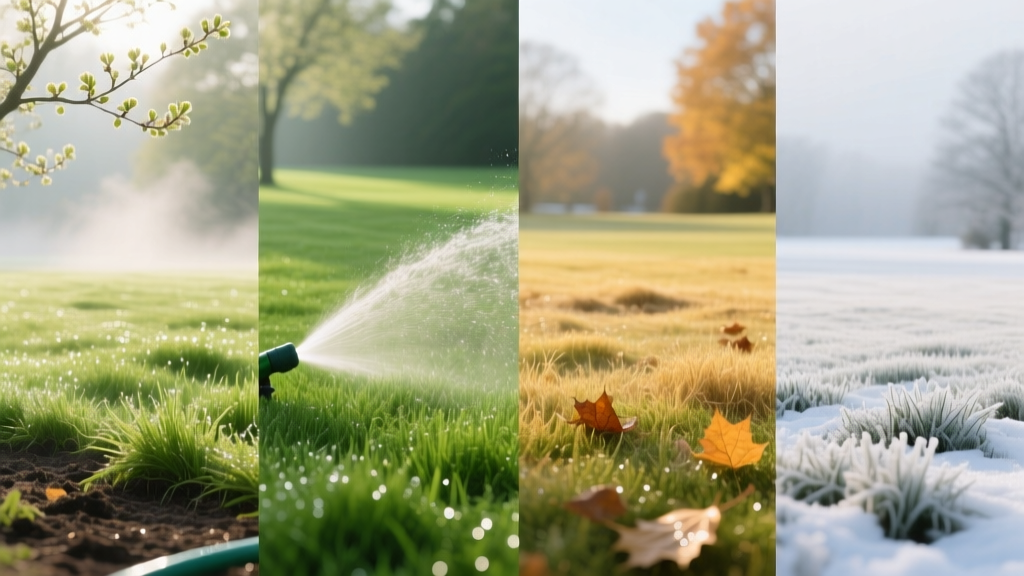
When to Water Your Lawn: Seasonal Timing and Smart Irrigation
Robert HayesPublished
The Foundation of Outdoor Living: Why Watering Timing Matters
Bridging the gap between your cozy indoor living space and your vibrant outdoor oasis begins with a foundational element: a healthy, thriving lawn. Whether you are entertaining guests on your patio, enjoying a garden-to-table meal, or simply relaxing in your backyard, the state of your turf sets the tone. However, achieving that lush, carpet-like grass is rarely about how much you water, but rather when you water. Timing is the most critical, yet frequently misunderstood, variable in lawn care and energy-efficient landscaping. In this comprehensive when-to timing guide, we will break down the exact daily and seasonal schedules for watering your lawn, how to integrate smart home irrigation technology, and how to protect your adjacent vegetable gardens from improper watering practices.
The Golden Rule: What Time of Day to Water
The time of day you choose to irrigate your lawn dictates how much water actually reaches the root zone versus how much is lost to the atmosphere. According to the University of Minnesota Extension, the absolute best time to water your lawn is in the early morning, specifically between 4:00 AM and 8:00 AM.
Why this specific window? First, temperatures are at their lowest, and wind speeds are generally calm, which drastically reduces evaporation. Second, watering in the early morning allows the grass blades to dry out as the sun rises. If you water in the evening or at night, the grass remains damp for hours in the dark, creating a perfect breeding ground for fungal diseases like brown patch and dollar spot. Conversely, watering in the middle of a hot summer afternoon is highly inefficient; up to 30% of your water can evaporate before it even penetrates the soil surface. If you are using a smart home irrigation system, program your zones to activate at 5:00 AM to ensure the water has time to soak in before the morning heat sets in.
Seasonal Watering Timing Guide
Your lawn's water requirements fluctuate wildly depending on the season, the dormancy cycle of your specific grass type, and local weather patterns. Here is your seasonal timing breakdown.
Spring Awakening (March to May)
In early spring, your lawn is emerging from winter dormancy. Resist the urge to start watering immediately. Rely on natural spring rainfall as much as possible. Only begin supplemental watering when you notice the grass blades folding in half lengthwise or leaving footprints that linger for several minutes after you walk across the yard. This usually happens in late spring. Watering too early in the spring promotes shallow root growth, making your lawn highly vulnerable to summer drought stress.
Summer Survival (June to August)
This is the most critical time for lawn hydration. Cool-season grasses (like Kentucky Bluegrass and Fescue) require about 1 to 1.5 inches of water per week during peak summer heat. Warm-season grasses (like Bermuda and Zoysia) are more drought-tolerant but still need about 0.5 to 1 inch per week. The key in summer is deep, infrequent watering. Instead of watering a little bit every day, water heavily two or three times a week. This forces the roots to grow deeper into the soil in search of moisture, creating a more resilient lawn.
Fall Preparation (September to November)
Many homeowners mistakenly stop watering in the fall once the air temperature drops. This is a major error. Fall is when cool-season grasses are actively growing and storing energy for the winter. Continue to provide 1 inch of water per week until the ground begins to freeze. Proper fall watering timing ensures your lawn survives the winter and greens up faster the following spring.
Winter Dormancy (December to February)
In most climates, your lawn is fully dormant and requires no supplemental irrigation. However, if you live in a warm, arid climate where warm-season grasses are used, or if you have overseeded with winter ryegrass, you may need to water once every two to three weeks during dry spells to prevent the root system from desiccating.
The Tuna Can Test and Soil Type Variables
Knowing when to water is only half the battle; you must also know how long to run your sprinklers to achieve that 1-inch weekly goal. The universally recommended method is the 'tuna can test.' Place three or four empty, flat tuna cans in different zones of your lawn. Turn on your sprinklers and time how long it takes to fill the cans with exactly one inch of water.
Your soil type will heavily influence how you apply this water. Clay soils absorb water very slowly; if you apply an inch of water all at once, it will pool and run off. For clay, use the 'cycle and soak' method: water for 10 minutes, wait 30 minutes for absorption, and then water for another 10 minutes. Sandy soils drain rapidly and require more frequent, shorter watering sessions to prevent nutrients from leaching away.
When to Upgrade to Smart Irrigation
Bridging indoor smart home technology with outdoor landscaping is one of the most effective ways to conserve water and save money. According to EPA WaterSense, homes with automatic irrigation systems can use up to 50% more water outdoors than those without, largely due to inefficient timing and broken sprinkler heads.
When is the right time to upgrade to a smart irrigation controller? If your current system relies on a mechanical dial timer that waters on a set schedule regardless of the weather, it is time for an upgrade. Smart controllers utilize local weather data and Evapotranspiration (ET) rates to automatically adjust watering schedules. If it rained yesterday, the smart controller will skip today's scheduled watering. These Wi-Fi-enabled devices typically cost between $100 and $250, and many local water municipalities offer rebates that cover up to 100% of the purchase price. Install your smart controller in early spring before the peak watering season begins to maximize your summer water savings.
Seasonal Lawn Watering Schedule and Measurement Chart
Use the following chart as a baseline for your seasonal timing and smart controller settings.
| Season | Weekly Water Requirement | Ideal Frequency | Smart Controller Setting |
|---|---|---|---|
| Spring | 0.5 to 1 inch | 1 to 2 times per week | Seasonal adjust at 60% |
| Summer | 1 to 1.5 inches | 2 to 3 times per week | Seasonal adjust at 100% |
| Fall | 1 inch | 1 to 2 times per week | Seasonal adjust at 70% |
| Winter | 0 inches (usually) | N/A | System Off / Winterize |
Protecting Your Garden-to-Table Beds from Overspray
For those who practice garden-to-table living, the intersection of lawn care and vegetable gardening requires careful timing and zoning. Overspray from lawn sprinklers can be detrimental to vegetable gardens. Wetting the foliage of tomatoes, squash, and peppers invites devastating blights and powdery mildew.
When designing or adjusting your irrigation zones, ensure that lawn rotary sprinklers are aimed strictly away from raised beds. Instead, transition to a drip irrigation system for your vegetable garden. Drip lines deliver water directly to the soil level at the base of the plants, keeping foliage completely dry. Furthermore, vegetable gardens require daily or every-other-day shallow watering during the peak of summer fruit production, which is the exact opposite of the deep, infrequent watering your lawn requires. Keep your lawn and garden irrigation on entirely separate smart zones to accommodate these vastly different timing needs.
Final Thoughts on Timing Your Lawn Care
Mastering the when-to timing of lawn irrigation transforms your outdoor space from a high-maintenance burden into a sustainable, lush extension of your home. By watering in the early morning, adapting to seasonal shifts, respecting your soil type, and leveraging smart home technology, you conserve precious water resources while cultivating a vibrant landscape. A well-timed lawn not only boosts your property's curb appeal but also provides the perfect, resilient foundation for all your outdoor living and garden-to-table endeavors.
