Home & Garden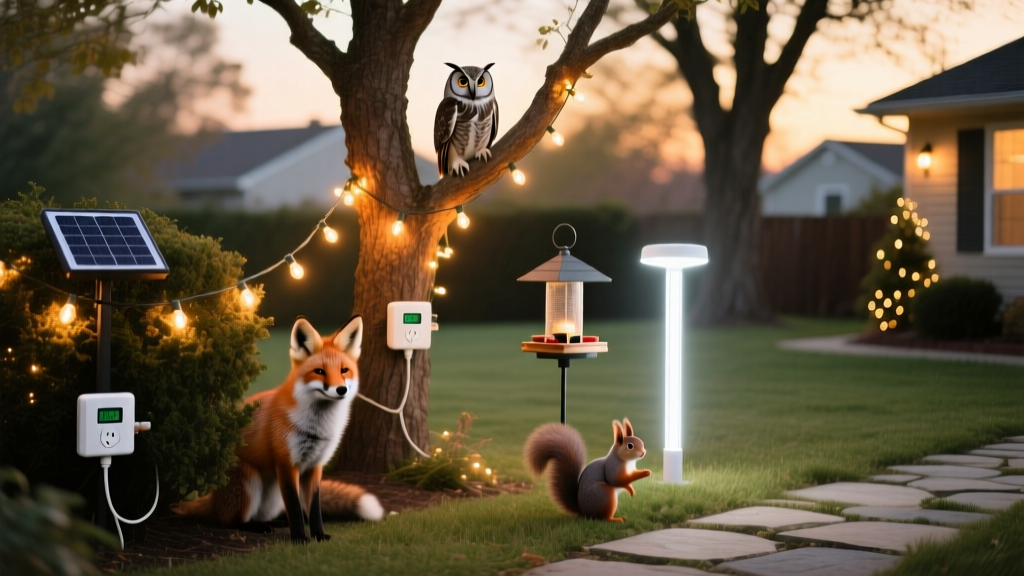
Wildlife-Safe Holiday Lighting 2026: LED vs Incandescent & Timers
David ParkPublished
The Hidden Impact of Holiday Lights on Yard Wildlife
As the 2026 holiday season approaches, homeowners are eager to transform their outdoor spaces into festive wonderlands. However, from a wildlife and yard animal management perspective, the way we illuminate our properties has profound ecological consequences. While we often focus on the aesthetic appeal of holiday displays, continuous outdoor illumination severely disrupts the circadian rhythms, foraging patterns, and migratory behaviors of local fauna. Whether you are managing a suburban garden or a rural homestead, understanding the intersection of holiday outdoor lighting, wattage, and timer usage is essential for maintaining a balanced local ecosystem.
Light pollution is a growing environmental concern. According to the National Park Service, artificial light at night disrupts the natural behaviors of nocturnal wildlife, affecting everything from insect navigation to mammalian foraging. When we leave high-wattage holiday lights blazing from dusk until dawn, we inadvertently create ecological traps and alter the microclimates of our yards. Fortunately, by making informed choices regarding LED versus incandescent wattage and implementing smart timer strategies, you can enjoy a beautiful holiday display while actively protecting the birds, mammals, and beneficial insects that call your yard home.
LED vs. Incandescent: Wattage, Heat, and Wildlife Disruption
The debate between LED and incandescent holiday lighting is usually framed around energy bills, but for wildlife management, the differences in wattage and heat emission are far more critical. Traditional incandescent C7 and C9 holiday bulbs operate by heating a filament, meaning they convert up to 90% of their consumed wattage directly into heat rather than light. A standard strand of 25 incandescent C9 bulbs draws approximately 175 watts. When wrapped around tree trunks or draped over shrubs, these bulbs create localized heat zones that can confuse overwintering insects and alter the dormancy cycles of nearby plants.
More alarmingly, the heat and broad-spectrum light emitted by high-wattage incandescents act as a fatal beacon for winter insects. Moths and other nocturnal pollinators are drawn to the light, exhaust themselves circling the bulbs, and ultimately freeze when the temperatures drop. In contrast, modern 2026 LED C9 bulbs consume a mere 0.8 watts per bulb—totaling just 20 watts for the same 25-bulb strand. The U.S. Department of Energy highlights that LEDs emit virtually no directional heat, making them vastly safer for the microclimates of your garden beds and the insects that reside within them.
Wildlife Impact Comparison: LED vs. Incandescent
| Feature | Incandescent C9 (7W/bulb) | 2026 Warm-White LED (0.8W/bulb) | Wildlife & Yard Impact |
|---|---|---|---|
| Heat Emission | High (Up to 150°F at bulb) | Negligible (Cool to touch) | Incandescent heat disrupts plant dormancy and creates fatal insect traps. |
| Wattage & Light Spill | 175W per strand (High spill) | 20W per strand (Directional) | Lower wattage LEDs reduce light trespass into tree canopies where birds roost. |
| UV/Blue Spectrum | High UV/Infrared output | Zero UV output | UV light severely disorients nocturnal insects and amphibians. |
| Strand Capacity | Max 2-3 strands per outlet | Up to 40+ strands per outlet | LEDs allow for targeted, low-wattage accent lighting rather than flood illumination. |
The Crucial Role of Smart Timers in Animal Management
Even the most wildlife-friendly, low-wattage LED lights become an ecological hazard if left on 24/7. Nocturnal yard animals—such as opossums, raccoons, foxes, and various species of bats—rely on the cover of darkness to forage safely. Continuous illumination increases their stress levels and makes them highly visible to predators, often forcing them to abandon nutrient-rich foraging grounds in your yard. To mitigate this, utilizing advanced outdoor smart timers is a non-negotiable practice for responsible yard management in 2026.
The modern smart home ecosystem has evolved significantly. With the widespread adoption of Matter-over-Thread protocols in 2026, outdoor smart plugs like the latest Kasa and Wyze outdoor models offer precise, weather-resistant scheduling that syncs dynamically with your local sunset and sunrise data. From a wildlife management perspective, the goal is to establish a 'Dark Window.' We recommend setting your holiday lighting timers to turn on at dusk and shut off completely no later than 10:00 PM or 11:00 PM. This provides a minimum of 8 to 10 hours of uninterrupted darkness, allowing nocturnal mammals to forage, hunt, and navigate your property without the stress of artificial glare.
Furthermore, smart timers with integrated energy monitoring allow you to track the exact wattage draw of your outdoor display. If you notice a sudden spike in wattage, it may indicate a damaged wire or a short circuit, which can pose a fire hazard to dry winter brush and the animals nesting nearby. By managing your timers and monitoring wattage, you protect both the physical landscape and its inhabitants.
Color Temperature: Why Warm LEDs Win for Wildlife
When selecting LED holiday lights, wattage and timers are only part of the equation; color temperature (measured in Kelvin) plays a massive role in wildlife disruption. Cool white or blue-toned LEDs (4000K to 6000K) emit high levels of blue light, which is notorious for suppressing melatonin production in both humans and animals. The National Audubon Society warns that blue-rich white light is particularly disorienting to migratory birds and can disrupt the roosting patterns of local avian populations.
For a wildlife-friendly yard, always opt for 'Warm White' (2700K to 3000K) or amber-tinted LED holiday lights. Amber and warm yellow wavelengths have a significantly longer wavelength and lower energy output, making them far less disruptive to the circadian rhythms of wildlife. While they still provide a beautiful, nostalgic holiday glow, they do not trigger the same panic or disorientation responses in birds and insects that cool, blue-heavy LEDs do. In 2026, many premium LED manufacturers now offer specifically tuned 'wildlife-safe' amber filament bulbs that combine the low wattage of modern LEDs with the gentle, low-impact spectrum of vintage lighting.
Actionable Setup Guide for a Wildlife-Friendly Holiday Display
To bridge the gap between festive outdoor living and responsible yard animal management, follow this actionable setup guide for your 2026 holiday lighting project:
- Audit Your Existing Lights: Discard any remaining incandescent strands. The high wattage and heat output are incompatible with safe wildlife management. Recycle them at local hardware stores that offer holiday light trade-in programs.
- Select Low-Wattage, Warm LEDs: Purchase C7 or C9 LED strands rated at 2700K (Warm White) or lower. Look for bulbs with an opaque or frosted finish, which diffuses the light and reduces harsh glare that can blind foraging animals.
- Implement Directional Shielding: When wrapping trees or lining walkways, use small landscaping shields or angle the bulbs downward. This prevents light spill into the upper tree canopy where owls and squirrels nest, keeping the wattage focused strictly on the human pathways.
- Install a Matter-Compatible Smart Timer: Plug your outdoor strands into a 2026-certified weatherproof smart plug. Configure the app to use 'Sunset to 10:00 PM' scheduling. Avoid using dusk-to-dawn photocells, as these keep lights on all night, entirely defeating the purpose of a wildlife dark window.
- Create Dark Corridors: Leave the back edges of your property, particularly near brush piles, compost bins, and dense shrubbery, completely unlit. These areas serve as vital wildlife corridors for nocturnal animals moving through suburban spaces.
- Monitor and Adjust: Use your smart plug's energy monitoring feature to ensure your total outdoor wattage remains low. If you are running extensive displays, consider staggering your timers so that different zones turn off at 9:00 PM, 10:00 PM, and 11:00 PM, gradually returning the yard to darkness rather than plunging it into sudden blackness, which can startle roosting wildlife.
Conclusion
Managing the intersection of outdoor holiday decor and local wildlife requires a mindful approach to the tools we use. By understanding the stark differences in wattage and heat between LED and incandescent bulbs, and by leveraging 2026 smart timer technology to enforce critical dark hours, you can cultivate a yard that is both visually stunning and ecologically responsible. Protecting the circadian rhythms of your local birds, mammals, and beneficial insects ensures that your garden remains a thriving, balanced ecosystem long after the holiday lights are taken down.
