Home & Garden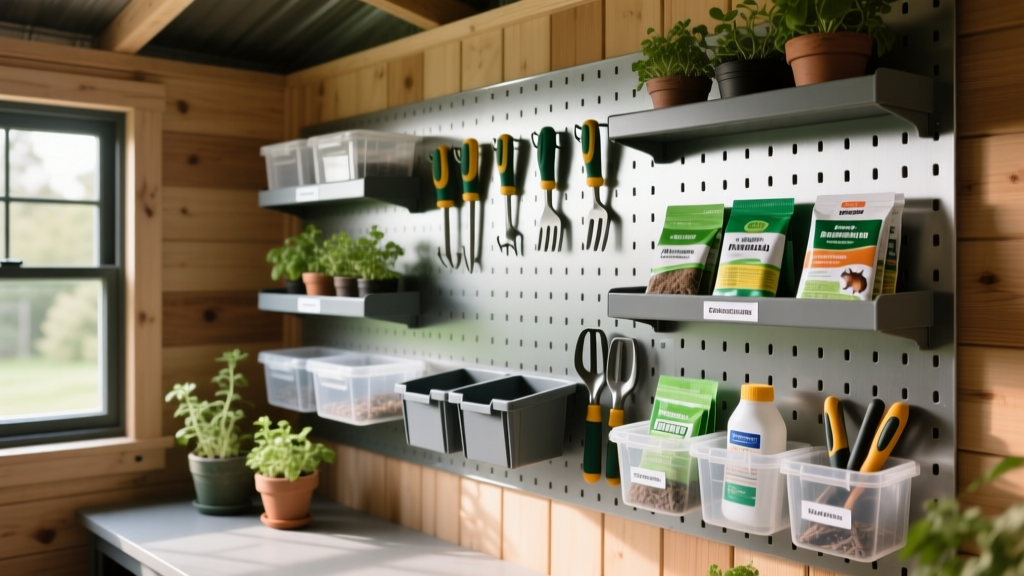
Wildlife-Proof Shed Organization: Pegboard & Shelf 2026
Mike RodriguezPublished
The Intersection of Shed Organization and Wildlife Management
As we move through 2026, homeowners are increasingly recognizing that a garden shed is not just a storage space; it is a frontline defense in yard animal management. With urban and suburban wildlife populations adapting to human environments, your shed is a prime target for rodents, raccoons, squirrels, and even snakes seeking shelter, nesting materials, and high-calorie food sources. Traditional shed organization methods often inadvertently invite these pests inside. Cardboard boxes, wooden shelving, and paper bags of grass seed or bone meal fertilizer act as magnets for scavengers. To maintain a pristine, functional, and pest-free outdoor workspace, you must bridge the gap between interior design and exterior wildlife exclusion.
Organizing your shed with a strategic pegboard wall and heavy-duty shelving system is one of the most effective ways to eliminate the dark, cluttered corners where animals thrive. However, the materials you choose and the way you install them in 2026 must be specifically tailored to resist chewing, nesting, and foraging. This guide will walk you through creating a wildlife-proof shed organization system that protects your valuable garden supplies while keeping local fauna exactly where they belong: outside.
Why Traditional Wood Pegboards Fail Against Pests
For decades, masonite or wood-composite pegboards have been the default choice for garage and shed walls. From a wildlife management perspective, however, they are a critical vulnerability. Wood pegboards are highly susceptible to moisture warping, which creates gaps between the board and the wall. These gaps provide ideal, hidden nesting spaces for deer mice and white-footed mice. Furthermore, rodents can easily chew through masonite to access the wall cavity behind it, turning your shed wall into a highway for pests entering from the exterior.
Additionally, wood pegboards absorb the odors of fertilizers, pesticides, and organic soil amendments. Even if you wipe down a wooden shelf or pegboard, the porous material retains the scent of blood meal, fish emulsion, or spilled birdseed, continually attracting raccoons and rats. In 2026, the standard for wildlife-conscious shed organization has definitively shifted away from porous wood composites toward non-porous, impenetrable metals.
The 2026 Standard: Metal Pegboard Installation
Upgrading to a steel pegboard system, such as the Wall Control 32-Gauge Metal Pegboard, is a game-changer for pest exclusion. Metal offers zero nutritional value, cannot be chewed through by rodents, and provides a smooth surface that can be easily wiped down to eliminate organic scent trails. When installing a metal pegboard in a wildlife-prone shed, the installation technique is just as important as the material itself.
Step 1: Flush Mounting vs. Furring Strips
Most pegboards require furring strips to create a gap for hooks to insert. However, that 1-inch gap is an open invitation for mice to travel behind your tools. In 2026, pest control experts recommend flush-mounting metal pegboards directly to the shed studs or using specialized low-profile metal mounting brackets. If you must use a gap, seal the top, bottom, and side edges of the pegboard with expanding polyurethane foam stuffed with copper mesh or steel wool. Rodents cannot chew through copper mesh, effectively sealing the perimeter of your organization system.
Step 2: Tool Placement for Pest Deterrence
Organize your hand tools, trowels, and pruning shears on the metal pegboard to keep them off the floor and lower shelves. Elevating your tools not only prevents rust but also removes the clutter that ground-dwelling animals use for cover. Ensure that no hanging canvas tool bags or fabric gloves are left on the pegboard overnight, as these are frequently targeted by nesting birds and rodents seeking soft materials.
Strategic Shelving: Elevating and Sealing Your Supplies
While the pegboard handles your tools, your shelving system must handle your consumables: seeds, bulbs, fertilizers, and potting soils. Solid wooden shelves are notorious for harboring spills and providing solid flooring for rodent nests. The 2026 best practice for wildlife management is the use of heavy-duty wire shelving, such as the Seville Classics UltraHD Commercial Wire Shelving units.
Wire shelving offers several distinct advantages for yard animal management. First, the open grid design prevents animals from building stable nests on the shelf surfaces. Second, any spilled soil, seed, or fertilizer falls through the grates to the floor, where it can be easily swept up, rather than accumulating in the corners of a solid wooden shelf where it attracts ants and mice. However, wire shelves alone do not protect the contents of your bags and boxes. You must pair wire shelving with critter-proof containment vessels.
Transfer all grass seed, wildflower mixes, and organic fertilizers from their original paper or thin plastic packaging into galvanized steel bins or heavy-duty food-grade buckets equipped with Gamma Seal Lids. Raccoons possess incredible manual dexterity and can easily flip open simple latches or pry off friction lids. Gamma Seal Lids require a twisting motion that most wildlife cannot replicate, and galvanized steel is entirely impervious to rodent teeth.
Zone-by-Zone Organization Chart
To maintain a shed that is both highly functional for the gardener and hostile to local wildlife, divide your shed into distinct management zones. Refer to the table below for the 2026 wildlife-proof shed layout strategy.
| Shed Zone | Storage Type | Primary Wildlife Threat | 2026 Exclusion Solution |
|---|---|---|---|
| Upper Walls (6ft+) | Metal Pegboard | Nesting birds, climbing rats | Flush-mounted steel board, sealed edges, no fabric accessories |
| Mid-Level Shelves | Wire Racks | Squirrels, raccoons, mice | Gamma-seal galvanized bins for seeds, bulbs, and organics |
| Lower Floor | Solid Base / Clear Space | Mice, snakes, groundhogs | Hardware cloth perimeter trench, zero cardboard storage |
Securing Organic Attractants: The Scent Factor
According to the Environmental Protection Agency (EPA), eliminating food sources and attractants is the most critical step in long-term rodent and pest control. In a garden shed, your most dangerous attractants are often organic. Bone meal, blood meal, and fish-based emulsions are incredibly potent scavenger magnets. Raccoons and neighborhood coyotes can detect these scents from great distances. If stored in their original plastic jugs or paper sacks on a lower shelf, a determined raccoon will easily breach the packaging, leaving a mess and potentially ingesting harmful concentrations of garden chemicals.
Furthermore, the Internet Center for Wildlife Damage Management emphasizes that exclusion and sanitation must work hand-in-hand. Sanitation in the shed means never leaving a bag of potting mix partially open. The organic matter in potting soil often contains undigested compost materials that attract rodents looking for both food and nesting medium. Always use heavy-duty clips or transfer soils to sealed, hard-plastic totes. For hanging items on your metal pegboard, avoid using natural fiber cords or twine, which rodents will chew down simply to harvest the fibers for their nests; opt for stainless steel carabiners and metal S-hooks instead.
Perimeter Defense and Shed Maintenance
No amount of interior pegboard organization will save your shed if the exterior perimeter is compromised. Wildlife management starts at the foundation. In 2026, shed builders and pest control professionals strongly recommend installing a hardware cloth exclusion trench around the base of your garden shed. By digging a narrow trench 12 inches deep around the shed perimeter and burying 19-gauge, 1/2-inch galvanized hardware cloth in an 'L' shape facing outward, you prevent groundhogs, rats, and snakes from burrowing under the floorboards.
Additionally, inspect your shed doors and ventilation screens seasonally. The Humane Society of the United States notes that mice can squeeze through holes the size of a dime. Ensure that the weather stripping on your shed doors is intact and that any gaps around hinges or lock mechanisms are filled with copper mesh. If your shed has windows or vents, they must be covered with heavy-duty steel mesh, not flimsy fiberglass insect screening, which squirrels and rats can tear through in seconds.
Integrating Modern Deterrents into Your Layout
As you organize your wire shelving and metal pegboards, leave one standard outlet accessible for a modern ultrasonic pest deterrent. The latest 2026 models of ultrasonic repellents utilize sweeping frequency modulations that prevent rodents from becoming habituated to the sound. Place the deterrent on a mid-level wire shelf, angled toward the floor and the main entry door. Because wire shelves do not block sound waves like solid wood or plastic totes, the ultrasonic waves can effectively bounce off the metal pegboard and cover the interior volume of the shed, creating an acoustic environment that wildlife finds highly uncomfortable.
Conclusion
Transforming your garden shed into a wildlife-proof sanctuary for your tools and supplies requires a deliberate approach to organization. By abandoning porous, chewable wood in favor of flush-mounted metal pegboards and wire shelving, you eliminate the hidden corners and scent traps that attract unwanted yard animals. Paired with galvanized containment bins and a fortified exterior perimeter, your shed will remain a clean, efficient, and secure extension of your home throughout 2026 and beyond. Proper organization is not just about aesthetics; it is one of the most proactive wildlife management strategies a homeowner can employ.
