Home & Garden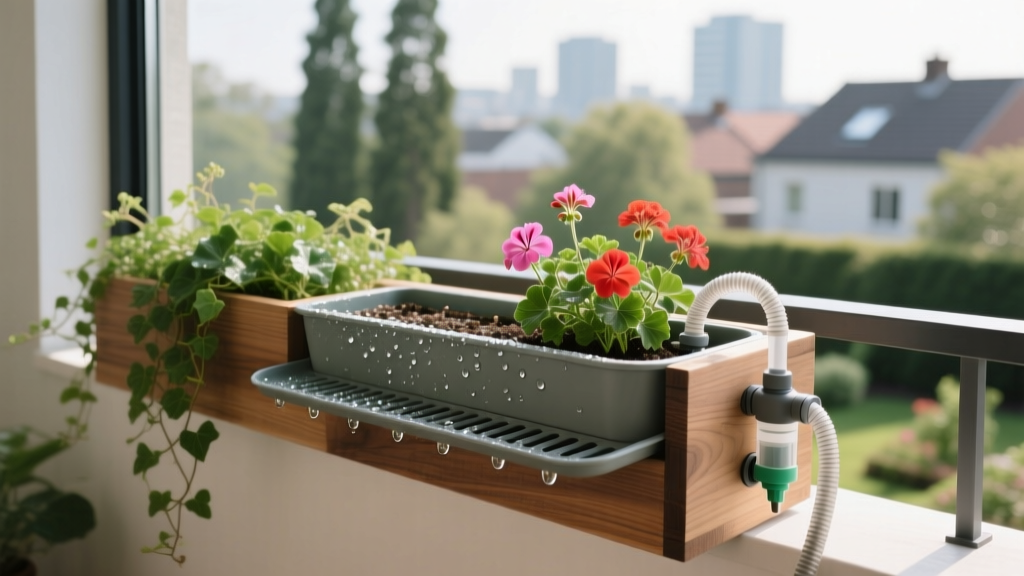
2026 Window Box Irrigation: Self-Watering Liners & Trays
Mike RodriguezPublished
The Evolution of Window Box Irrigation in 2026
Window boxes have long been a staple of exterior home decor, bridging the gap between indoor comfort and outdoor curb appeal. However, maintaining them has traditionally been a frustrating chore. Because they are elevated, exposed to wind, and hold a limited volume of soil, window boxes dry out significantly faster than ground-level garden beds. In 2026, the modern approach to landscape hydration has shifted heavily toward micro-irrigation and capillary technology. By integrating a self-watering liner with a specialized drip tray, homeowners can connect their window boxes directly to their primary sprinkler and irrigation systems, eliminating the need for daily manual watering while protecting their home's exterior from water damage.
According to the EPA WaterSense program, outdoor water use accounts for nearly 30% of total household water consumption, with inefficient irrigation systems wasting thousands of gallons annually. Upgrading to a targeted micro-drip window box setup not only conserves water but also ensures your plants receive a consistent, optimal moisture level.
How Self-Watering Liners and Drip Trays Work Together
The secret to a thriving, low-maintenance window box lies in the synergy between the self-watering liner and the drip tray. A self-watering liner—typically constructed from high-density coco coir, advanced capillary polymer mats, or recycled porous plastics—acts as a wick. It draws moisture upward into the root zone via capillary action. The drip tray, mounted securely beneath the window box, serves a dual purpose: it acts as the water reservoir that feeds the liner, and it catches any excess runoff, protecting your window sills and exterior siding from rot and mineral staining.
When connected to a smart irrigation controller, a micro-drip line feeds water directly into the drip tray at scheduled intervals. The liner then passively pulls the exact amount of water the plants need, preventing the overwatering and soil compaction commonly caused by overhead spray sprinklers.
2026 Component Comparison Guide
Choosing the right materials is critical for long-term success. Below is a comparison of the most popular self-watering liner and drip tray materials available on the market in 2026.
| Component Type | Material | Water Retention Efficiency | Estimated 2026 Cost | Lifespan |
|---|---|---|---|---|
| Standard Liner | Natural Coco Coir | Moderate (Requires frequent drip cycles) | $15 - $22 | 1 - 2 Seasons |
| Advanced Liner | Capillary Polymer Mat | High (Sustains moisture for days) | $28 - $35 | 3 - 5 Seasons |
| Premium Liner | Porous Recycled Resin | Extreme (Built-in float valve compatibility) | $40 - $55 | 10+ Years |
| Drip Tray | UV-Stabilized ABS Plastic | N/A (Deep-lip reservoir design) | $18 - $25 | 5 - 7 Years |
Step-by-Step Installation and Irrigation Integration
Integrating your window box into your home's main sprinkler system requires careful attention to water pressure and tubing placement. Main irrigation lines typically operate between 40 and 60 PSI, which is far too powerful for micro-drip applications and will blow out your window box fittings.
Step 1: Mount the Drip Tray and Regulate Pressure
Begin by securing a UV-stabilized, deep-lip drip tray to your window sill using stainless steel brackets. Ensure the tray is perfectly level using a spirit level; an unlevel tray will cause water to pool on one side, leading to uneven capillary action. At your main irrigation manifold, install a 25 PSI pressure regulator and a 120-mesh filter on the dedicated micro-irrigation zone. This prevents debris from clogging the narrow 1/4-inch drip lines running up to your windows.
Step 2: Route the Micro-Drip Tubing
Run 1/2-inch poly tubing from the manifold up the side of your house, securing it with copper or plastic staples. Transition to 1/4-inch micro-tubing as you approach the window box. Feed the 1/4-inch tubing through a small notch in the back of the window box and position the emitter directly into the center of the drip tray, not the soil. This allows the tray to fill and act as a reservoir for the self-watering liner.
Step 3: Prep the Liner and Soil Mix
Place your chosen self-watering liner inside the decorative window box. For capillary action to work efficiently, the soil mix must bridge the gap between the liner and the plant roots without becoming waterlogged. In 2026, the recommended blend for self-watering containers is 40% peat moss or coco coir, 30% perlite for aeration, and 30% high-quality compost. Avoid heavy topsoil or garden dirt, which will compact and sever the capillary wicking process.
Step 4: Plant and Test the System
Plant your flowers or herbs, ensuring the root balls are in firm contact with the liner. Turn on your irrigation zone manually for 5 minutes to fill the drip tray. Verify that the water level reaches just below the bottom of the soil mass, allowing the liner to wick the moisture upward without submerging the roots.
Smart Controller Integration for Micro-Zones
To maximize water efficiency, your window box should be tied to a smart irrigation controller. Modern systems like the Rachio 4 or the Orbit B-hyve XR utilize local evapotranspiration (ET) data and hyper-local weather forecasts to adjust watering schedules automatically. Because window boxes dry out faster than in-ground lawn zones, they must be placed on their own dedicated micro-zone. Set the smart controller to pulse-water the drip tray—running for 2 minutes, waiting 10 minutes, and running for 2 more minutes. This prevents the tray from overflowing and allows the capillary liner time to absorb the moisture.
Data from the USGS highlights that targeted drip and micro-irrigation systems can achieve up to 90% water application efficiency, compared to just 50-70% for traditional spray sprinklers. By isolating your window boxes on a smart micro-zone, you ensure they receive precise hydration without wasting water on surrounding hardscapes.
Seasonal Maintenance and Winterization
Even the most advanced irrigation setups require basic maintenance. Every spring, flush the 1/4-inch micro-tubing by removing the end cap and letting the water run for 30 seconds to clear out any mineral buildup or algae. Inspect the capillary polymer liner; if it has become brittle or coated in hard water calcium deposits, soak it in a mild vinegar solution to restore its wicking properties.
Before the first hard freeze of winter, it is critical to winterize the system. Drain the drip trays completely to prevent ice expansion from cracking the ABS plastic. Blow out the micro-tubing lines with a low-pressure air compressor (never exceed 20 PSI when blowing out drip lines, or you will rupture the emitters). Finally, remove natural coco coir liners and store reusable polymer liners indoors to protect them from UV degradation and freezing temperatures. By following these 2026 best practices, your window box irrigation system will remain a beautiful, water-efficient asset to your home for years to come.
