Home & Garden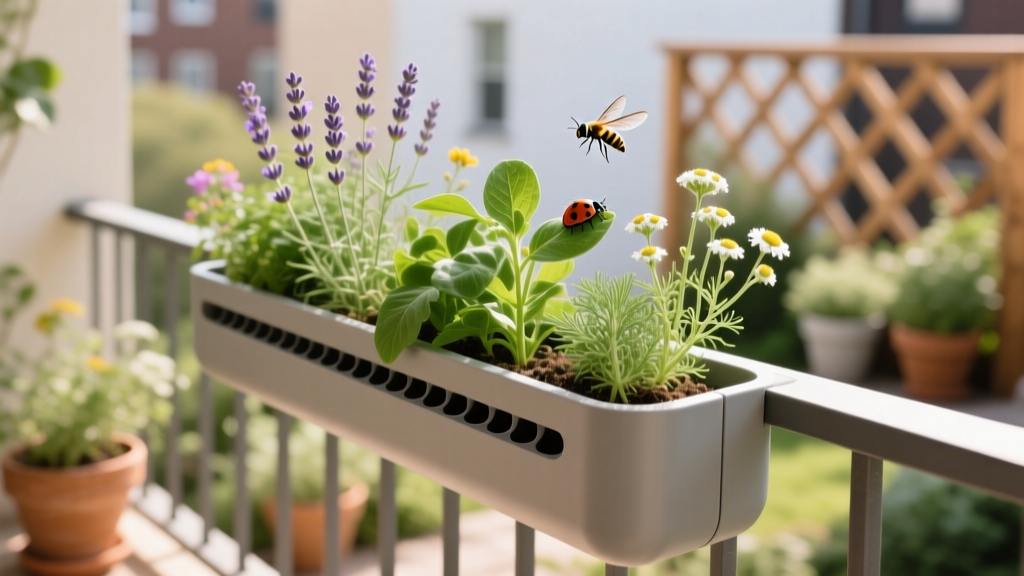
2026 Self-Watering Window Box Guide For Beneficial Insects
David ParkPublished
Urban Bio-Control in 2026: The Window Box Revolution
In 2026, the urban gardening movement has fully embraced micro-ecosystems, shifting away from chemical pesticides and toward localized, natural bio-control. You no longer need a sprawling backyard to cultivate a thriving population of beneficial insects. Apartment dwellers and urban homeowners are now strategically deploying window boxes to attract predatory and parasitic insects that naturally manage common pests like aphids, spider mites, and whiteflies. According to The Xerces Society, creating continuous, pesticide-free nectar and pollen sources in urban corridors is essential for sustaining populations of hoverflies, ladybugs, lacewings, and parasitic wasps.
However, maintaining a healthy window box ecosystem on a sunny, exposed facade presents unique challenges. Traditional containers dry out rapidly, causing plants to wilt and halt nectar production, which drives beneficial insects away. Conversely, overwatering leads to root rot, fungal gnats, and stagnant water that breeds mosquitoes. The ultimate solution for 2026 is a professionally installed window box featuring a self-watering liner and a strategically configured drip tray. This setup guarantees consistent moisture for nectar-producing plants while providing a safe hydration station for beneficial insects.
Why Self-Watering Liners Are Crucial for Beneficial Insects
Beneficial insects require a reliable food source to establish a territory and reproduce. Adult parasitic wasps and hoverflies feed almost exclusively on nectar and pollen. When a plant experiences drought stress, its turgor pressure drops, and it immediately ceases nectar production to conserve energy. A self-watering liner utilizes a capillary mat or wicking reservoir system that draws water upward into the root zone only as the plant needs it. This maintains perfect soil moisture, ensuring your bio-control plants remain in a constant state of bloom and nectar production throughout the hottest months of 2026.
Furthermore, self-watering liners eliminate the need for top-down watering, which can wash away the tiny eggs and larvae of beneficial insects like lacewings and ladybugs that are actively working on your plants. By delivering water directly to the root zone via the reservoir, you protect the delicate lifecycle of your natural pest control agents.
The Drip Tray: From Wasted Water to Insect Hydration Station
A common mistake in urban gardening is allowing water to pool in flat saucers or drip trays, creating a breeding ground for mosquitoes. Mosquitoes not only pose a health risk but also disrupt the local ecosystem. In 2026, the modern approach to window box drip trays involves transforming them into "pollinator puddles" or insect hydration stations.
Beneficial insects need access to water, but they are incredibly light and can easily drown in open pools. By filling your window box drip tray with a layer of 1-inch river pebbles or decorative gravel, you create a safe landing zone. Ladybugs, butterflies, and parasitic wasps can land on the wet stones and safely drink the moisture without the risk of drowning. This aligns perfectly with the EPA's Integrated Pest Management (IPM) principles, which emphasize modifying the environment to support natural predators while eliminating conditions that favor nuisance pests like mosquitoes.
Step-by-Step Window Box Installation Guide
1. Structural Mounting and Load Calculations
A fully saturated 36-inch window box with soil, water, and mature plants can easily exceed 120 pounds. Never rely on standard screws or drywall anchors. In 2026, building codes and best practices dictate using heavy-duty steel brackets secured directly into the exterior wall studs or masonry with 3/8-inch galvanized lag bolts. Ensure your brackets feature a slight forward lip to securely cradle the box and prevent wind uplift during severe seasonal storms.
2. Preparing the Self-Watering Liner
Select a BPA-free, UV-stabilized polypropylene self-watering liner designed to fit snugly inside your decorative outer box (whether it is cedar, composite, or metal). The liner must feature an aeration screen to separate the soil from the water reservoir, preventing anaerobic bacterial growth. Crucially, ensure the liner has an overflow drain hole positioned exactly at the maximum water line. This prevents the reservoir from overfilling during heavy rainstorms, which would otherwise flood the soil and drown your plants' root systems.
3. Soil Mix and Biochar Integration
Do not use heavy garden soil in a window box. Create a lightweight, moisture-retentive mix using peat-free coconut coir, coarse perlite, and organic worm castings. In 2026, adding horticultural biochar to your container mix is highly recommended for bio-control setups. Biochar is incredibly porous; it acts like a sponge to hold water and nutrients, while simultaneously providing a microscopic sanctuary for beneficial soil microbes and mycorrhizal fungi. These microbes enhance plant health, making your bio-control plants more resilient to pest attacks and more capable of producing high-quality nectar.
4. Drip Tray Configuration
Mount your UV-resistant drip tray approximately two inches below the base of the window box. Fill the tray with a two-inch layer of smooth river pebbles. If your tray lacks a built-in weep hole, drill one at the lowest end to ensure that excess water can escape during torrential downpours, keeping the pebbles moist but never fully submerged.
Top Bio-Control Plants for Window Boxes
To maximize your window box's effectiveness as a natural pest control hub, you must plant species that offer accessible nectar (shallow flowers) and continuous bloom cycles. Below is a curated list of the best plants for a 2026 window box bio-control strategy:
| Plant Species | Beneficial Insect Attracted | Target Pest Controlled | Bloom Window |
|---|---|---|---|
| Sweet Alyssum (Lobularia maritima) | Hoverflies (Syrphid flies) | Aphids, Mites | Spring to First Frost |
| Yarrow (Achillea millefolium) | Parasitic Wasps, Ladybugs | Caterpillars, Beetle Larvae | Early to Late Summer |
| Dill (Anethum graveolens) | Tachinid Flies, Lacewings | Soft-bodied insects, Beetles | Mid-Summer |
| Marigold (Tagetes patula) | Ladybugs, Soil Nematodes | Whiteflies, Aphids | Summer to First Frost |
Pro Tip: Allow a portion of your dill and cilantro to "bolt" and flower. The tiny, umbrella-shaped umbels of these herbs are the exact shape required for the short mouthparts of parasitic wasps and hoverflies to access nectar.
Smart Maintenance and Ecosystem Monitoring
The integration of smart home technology into garden care has matured significantly by 2026. To ensure your self-watering reservoir never runs dry—which would break the capillary action and stress your plants—drop a Bluetooth-enabled water level sensor into the filler tube of your liner. These inexpensive sensors sync with your smartphone and send an alert when the reservoir drops below 20% capacity. This guarantees an uninterrupted nectar flow for your beneficial insects.
Maintenance also involves periodic ecosystem checks. Every two weeks, gently rinse the river pebbles in your drip tray to prevent the buildup of algae or decaying organic matter that could attract fungus gnats. Inspect the undersides of your plant leaves for aphid colonies; remember, the presence of a few aphids is actually a good thing, as they act as a steady food source to keep ladybugs and lacewing larvae anchored to your window box. Never use broad-spectrum pesticides, as these will instantly destroy the beneficial insect population you have worked so hard to cultivate.
Conclusion
Installing a window box with a self-watering liner and a pebble-filled drip tray is one of the most effective, low-maintenance ways to practice urban bio-control in 2026. By providing consistent moisture, safe hydration, and targeted nectar sources, you transform a simple architectural feature into a bustling high-rise sanctuary for nature's best pest controllers. Embrace the micro-ecosystem, and let beneficial insects do the heavy lifting for your urban garden's health.
