Home & Garden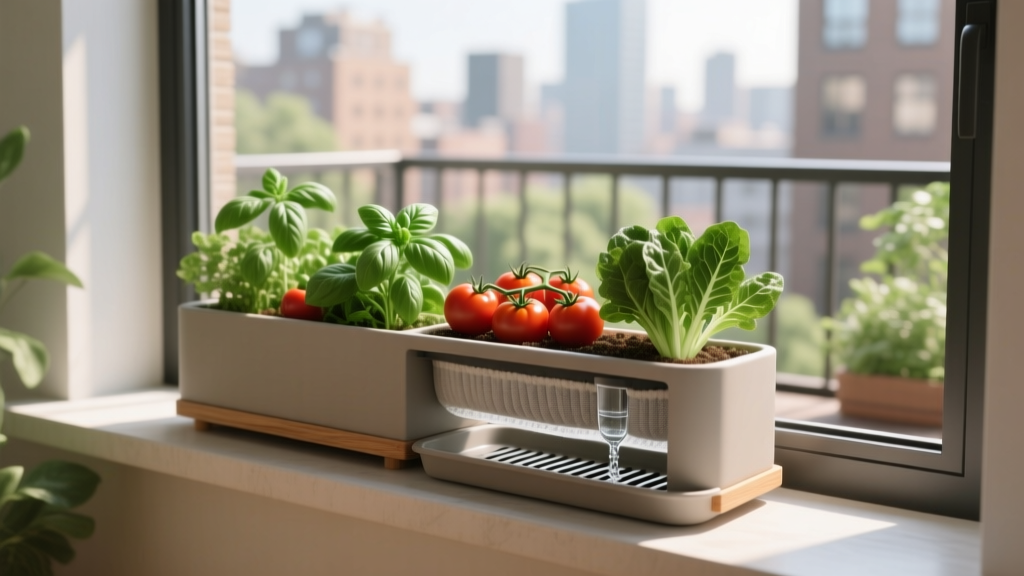
2026 Window Box Veggie Setup: Self-Watering Liners & Drip Trays
Emily WatsonPublished
Transforming Window Boxes into Micro-Raised Beds
Raised bed vegetable gardening has completely revolutionized urban homesteading, but as we navigate the growing season of 2026, space constraints remain a primary hurdle for many aspiring gardeners. Not everyone has the square footage for a traditional 4x8 timber raised bed. The solution? The micro-raised bed. By treating a standard exterior window box with the same horticultural rigor and soil science as a full-sized raised bed, you can cultivate an astonishing volume of fresh produce right outside your window.
However, the shallow depth and high exposure of a window box present unique challenges, primarily rapid moisture evaporation and temperature fluctuations. The most significant advancement in urban container gardening this year is the integration of self-watering sub-irrigation liners paired with exterior drip trays. This setup effectively mimics the wicking bed technology used by commercial growers, ensuring your vegetables receive consistent, bottom-up hydration while protecting your home's exterior from water damage.
The Mechanics of Self-Watering Liners in Micro-Raised Beds
In a traditional raised bed, deep soil holds moisture and buffers plant roots from extreme heat. In a shallow window box, evaporation is rapid, and roots can bake on a hot July afternoon. A self-watering liner solves this by creating a dedicated water reservoir at the base of the planter. Wicking chambers—small columns of soil that extend down into the water reservoir—draw moisture upward through capillary action.
This sub-irrigation method is vastly superior to top-watering for vegetable gardening. It prevents fungal diseases on the leaves of crops like tomatoes and cucumbers, reduces water waste, and encourages deep, robust root growth. According to horticultural research from the University of Minnesota Extension, consistent soil moisture is the single most critical factor in preventing blossom end rot and ensuring high yields in container-grown vegetables. By utilizing a self-watering liner, you automate this consistency.
Essential 2026 Materials and Budgeting
To build a durable, high-yielding micro-raised bed, you need materials that can withstand constant moisture and UV exposure. Here is what you need for a standard 36-inch window box setup in 2026:
- Composite Window Box (Recycled HDPE): $60 - $120. Avoid terracotta or cheap plastics that crack in freezing temperatures. Modern composite materials mimic wood grain but will never rot.
- Sub-Irrigation Liner Insert: $35 - $55. Look for food-safe, BPA-free ABS plastic liners with an integrated overflow drain and a visible water level indicator.
- Heavy-Duty Aluminum Drip Tray: $25 - $40. This is non-negotiable. It catches overflow and condensation, protecting your wooden window sills and vinyl siding from mold and rot.
- Structural Steel Brackets: $20 - $30. Must be rated for at least 150 lbs of dynamic load.
- Wicking Soil Medium: $25. A blend of coconut coir, compost, and vermiculite.
Step-by-Step Installation for Maximum Load Capacity
A 36-inch window box filled with wet soil, a full water reservoir, and mature vegetable plants can easily exceed 90 pounds. Proper structural mounting is a critical safety requirement.
Step 1: Mounting the Brackets
Never rely solely on drywall anchors or vinyl siding clips. You must locate the structural studs behind your exterior wall using a stud finder. If you are mounting into brick or stucco, use masonry sleeve anchors. Position your heavy-duty steel brackets so they sit directly under the primary load points of the window box. Use stainless steel lag screws to secure the brackets into the center of the wall studs.
Step 2: Securing the Drip Tray
Before placing the window box on the brackets, slide the aluminum drip tray onto the bracket arms. The tray should extend at least two inches beyond the back of the window box to catch runoff from the liner's overflow tube. Angle the tray slightly outward (a 2-degree slope) so that excess water drains away from your home's siding rather than pooling against the foundation.
Step 3: Dropping in the Liner and Setting the Overflow
Place the self-watering liner inside the window box. Locate the overflow drain hole on the side of the liner. Ensure this hole aligns with the exterior drainage gap of your window box or drill a corresponding hole in the decorative outer box. This overflow mechanism is vital; it prevents the soil from becoming waterlogged during heavy 2026 spring rainstorms, which would otherwise suffocate your vegetable roots.
The Ideal Micro-Raised Bed Soil Recipe
Do not use standard garden soil or heavy topsoil in a window box; it will compact and destroy the capillary action required for the self-watering liner to function. Instead, treat this as a specialized raised bed environment. The Penn State Extension recommends lightweight, highly porous mixes for container vegetables to ensure adequate oxygen reaches the root zone.
Mix the following ingredients in a wheelbarrow before filling your liner:
- 40% Premium Raised Bed Soil: Provides the base structure and essential minerals.
- 30% Coconut Coir: Superior to peat moss for wicking. Coir acts like a sponge, pulling water from the reservoir up into the root zone efficiently.
- 20% Organic Compost: Provides a slow-release, biologically active nutrient base.
- 10% Coarse Vermiculite: Keeps the soil fluffy and retains moisture without causing compaction.
Fill the wicking chambers of the liner first, packing the soil tightly so it makes direct contact with the water reservoir below. Then, fill the rest of the liner with your mixed soil, leaving one inch of space at the top for mulching.
Best High-Yield Vegetables for Window Boxes
When gardening in a micro-raised bed, you must select crop varieties bred for compact growth and shallow root systems. Bush varieties and dwarf cultivars are your best allies. Below is a comparison chart of the top-performing vegetables for self-watering window boxes in 2026.
| Crop | 2026 Recommended Variety | Min. Soil Depth | Days to Harvest |
|---|---|---|---|
| Radish | 'Rover' Hybrid | 4 inches | 25 days |
| Leaf Lettuce | 'Salad Bowl' Oakleaf | 6 inches | 45 days |
| Bush Bean | 'Provider' | 8 inches | 50 days |
| Cherry Tomato | 'Tiny Tim' Dwarf | 10 inches | 60 days |
| Swiss Chard | 'Bright Lights' | 8 inches | 55 days |
For vining crops like cucumbers, avoid standard varieties that will overwhelm your window sill. Instead, look for 'Patio Snacker' or 'Spacemaster' bush cucumbers, which produce full-sized fruit on vines that rarely exceed two feet in length.
Nutrient Management and Wicking Maintenance
While self-watering liners are incredibly efficient, they do require specific maintenance regarding soil fertility. Because water is constantly wicking upward and evaporating from the soil surface, mineral salts from fertilizers can accumulate in the top layer of the soil over time. This phenomenon, known as salt crusting, can burn the stems of your vegetables.
To combat this, use liquid organic fertilizers—such as kelp emulsion or fish hydrolysate—applied directly to the water reservoir every three weeks. This ensures nutrients are distributed evenly through the wicking process. Once a month, top-water the box heavily until water pours out of the overflow drain. This 'flushing' technique washes excess salts out of the soil profile and into the drip tray below.
Winterizing Your Setup
As the 2026 growing season ends, proper winterization will extend the life of your equipment. Empty the water reservoir completely to prevent freezing and cracking. Remove the spent vegetable plants and top-dress the soil with an inch of fresh compost. If your window box is exposed to harsh, freezing winds, consider lifting the self-watering liner out of the decorative box and storing it in a garage or shed. Leaving the drip tray and brackets in place is fine, as they are designed to withstand year-round weather exposure. By treating your window box with the respect and science of a full-sized raised bed, you will enjoy a bountiful, low-maintenance harvest season after season.
