Home & Garden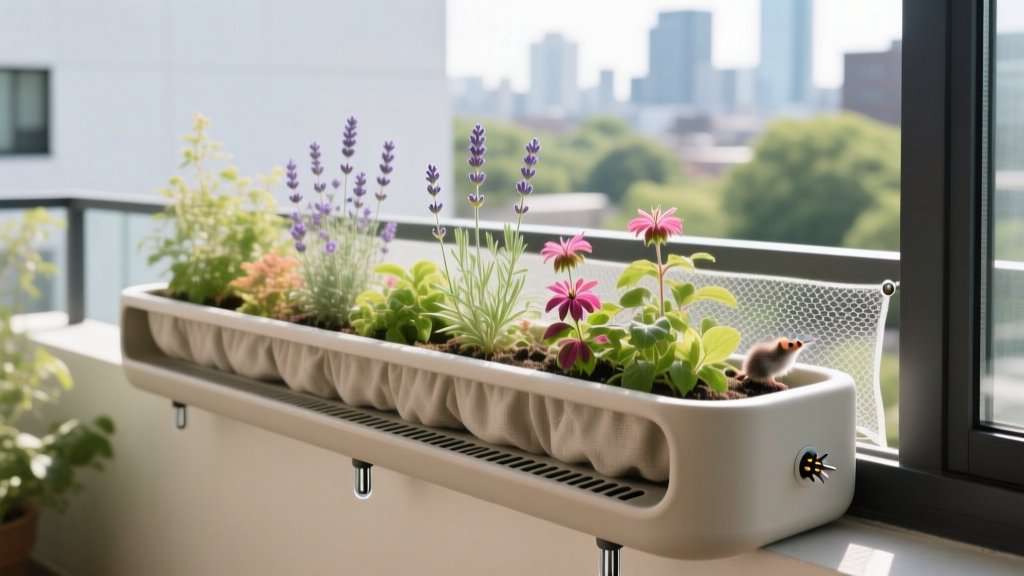
Wildlife-Safe Window Box Install: Self-Watering Liners & Trays 2026
Lisa ThompsonPublished
Introduction: The Intersection of Urban Gardening and Wildlife Management
As we navigate the 2026 gardening season, the bridge between indoor comfort and outdoor ecosystems has never been more vital. Window boxes are no longer just decorative afterthoughts; they are micro-ecosystems that interact directly with local urban and suburban wildlife. For homeowners, installing a window box with a self-watering liner and a drip tray offers immense convenience, reducing water usage and maintenance time. However, from a wildlife management perspective, these features introduce unique challenges. Hidden water reservoirs can attract thirsty rodents, poorly secured drip trays become breeding grounds for mosquitoes, and loose soil invites foraging squirrels.
This comprehensive guide will walk you through a wildlife-safe window box installation tailored for 2026 standards. We will cover everything from selecting animal-resistant hardware to choosing flora that supports pollinators while deterring nuisance species, ensuring your home's exterior remains beautiful, functional, and ecologically balanced.
Why Self-Watering Liners and Drip Trays Attract (and Deter) Wildlife
Self-watering liners operate on a capillary action system, utilizing a hidden bottom reservoir to wick moisture up into the soil. While highly efficient for plant health, this standing water is a major attractant for urban wildlife. Raccoons, opossums, and squirrels possess an acute sense of smell and will readily tear apart window box soil to access these hidden water sources during dry summer spells. Furthermore, the overflow drip trays designed to catch excess water can quickly become stagnant pools.
According to the Environmental Protection Agency (EPA), even a single inch of standing water in a drip tray is sufficient for female mosquitoes to lay hundreds of eggs, turning your beautiful window display into a vector for West Nile and other mosquito-borne illnesses. Additionally, if the window box is placed too close to reflective glass without proper wildlife-safe planting, it can contribute to fatal avian window strikes. The National Audubon Society emphasizes that modifying the immediate exterior of windows, including the placement and plant selection of window boxes, is a critical step in reducing bird mortality.
Step-by-Step Installation for Wildlife Resistance
Step 1: Selecting the Right Hardware and Brackets
The first rule of wildlife management is structural integrity. Raccoons can exert over 50 pounds of pulling force when foraging. In 2026, the standard for window box installation requires abandoning flimsy plastic hooks or simple nail-in brackets. Instead, opt for heavy-duty, powder-coated steel brackets that can be lag-bolted directly into your home's exterior wall studs. If you have masonry or brick, use wedge anchors. The box itself should be constructed from rot-resistant cedar or a high-density UV-stabilized composite that cannot be easily chewed through by squirrels or roof rats.
Step 2: Securing the Liner and Preventing Excavation
Modern self-watering liners, such as the 2026 polycarbonate capillary models, feature a physical barrier between the soil and the water reservoir. However, the soil layer above the liner remains vulnerable to digging. To prevent squirrels and birds from excavating your window box and exposing the liner, you must implement a physical deterrent layer.
- Base Layer: Add a 1-inch layer of heavy, washed river rocks over the capillary matting before adding soil. This adds weight and discourages digging.
- Soil Layer: Use a dense, high-quality potting mix amended with coir to retain moisture without becoming easily displaced.
- Top Dressing: After planting, cover all exposed soil with a 2-inch layer of heavy decorative gravel or poultry wire disguised beneath a thin layer of mulch. This completely eliminates the 'digging zone' that attracts foraging animals.
Step 3: Drip Tray Security and Mosquito Mitigation
Drip trays are essential for protecting your siding and window sills from water damage, but they must be secured against wildlife interference. Raccoons are notorious for knocking over unattached trays to drink the stagnant water. Use stainless steel zip ties or integrated metal clips to firmly bind the drip tray to the bottom of the window box frame.
To address the mosquito threat, treat the drip tray with Bacillus thuringiensis israelensis (Bti), commonly sold as mosquito dunks or bits. Bti is a naturally occurring bacterium that is highly lethal to mosquito and black fly larvae but completely safe for birds, pets, bees, and other beneficial wildlife. Drop a quarter of a Bti dunk into the drip tray after every heavy rain or weekly watering cycle.
Choosing the Right Plants: Pollinator Magnets vs. Animal Deterrents
The plants you choose for your self-watering window box dictate which wildlife will interact with your home's exterior. To strike the right balance in 2026, focus on flora that provides nectar for essential pollinators while emitting scents or textures that repel nuisance mammals.
Wildlife Deterrent Plants
- Alliums and Ornamental Onions: Their strong sulfuric scent naturally repels deer, rabbits, and rodents. They thrive in the consistent moisture provided by self-watering liners.
- Lavender and Rosemary: While bees love them, the intense aromatic oils mask the scent of nearby trash or birdseed, confusing foraging raccoons and rats.
- Marigolds: These 2026 garden staples release alpha-terthienyl from their roots, which deters nematodes and discourages rabbits from taking bites out of your window box display.
Avoiding Avian Window Strikes
Avoid planting tall, berry-producing shrubs or heavy seed-bearing flowers like sunflowers directly in window boxes adjacent to large panes of glass. These plants attract birds directly to the window zone. Instead, keep window box plantings relatively low-profile (under 12 inches) and apply UV-reflective window decals to the glass behind the box to ensure birds recognize the barrier.
Comparison Chart: Wildlife Impacts of Window Box Setups
| Setup Type | Wildlife Risk Level | Primary Issues | Required Mitigation |
|---|---|---|---|
| Standard Soil Box (No Tray) | High | Soil excavation, water runoff damaging siding, rodent nesting in dry soil. | Hardware cloth barriers, frequent manual watering. |
| Basic Self-Watering (Unsecured Tray) | Medium-High | Raccoons tipping trays, mosquito breeding in stagnant overflow, squirrel digging. | Zip-tie tray, add Bti dunks, top-dress soil with gravel. |
| Wildlife-Proofed 2026 System | Low | Minimal; supports pollinators while deterring nuisance mammals and vectors. | Lag-bolted brackets, secured tray, Bti treatment, river rock soil barrier. |
Maintenance: The 2026 Wildlife-Safe Routine
Even the most robust installation requires seasonal maintenance to remain wildlife-safe. The Humane Society of the United States advises that consistent yard maintenance is the most effective long-term deterrent for unwanted wildlife conflicts.
- Weekly Tray Inspection: Check the drip tray for debris, fallen leaves, and standing water. Flush the tray with a garden hose to remove organic sludge that mosquito larvae feed on, and replenish your Bti treatment.
- Monthly Bracket Check: Ensure that the lag bolts and steel brackets have not loosened. Wood expands and contracts with seasonal humidity, which can create gaps that invite carpenter ants or allow the box to shift under the weight of a climbing animal.
- End-of-Season Winterization: In late autumn, completely drain the self-watering reservoir to prevent freeze-thaw cracking. Remove the soil and store the liner indoors to prevent mice from using the dry, hollow plastic shell as a winter nesting habitat.
Conclusion
Installing a window box with a self-watering liner and drip tray in 2026 is a brilliant way to merge water conservation with vibrant home aesthetics. However, as urban and suburban wildlife continues to adapt to human environments, gardeners must take proactive steps to manage these interactions. By securing your hardware against foraging mammals, treating standing water to prevent mosquito breeding, and selecting plants that deter nuisance species while protecting local bird populations, your window box will become a safe, thriving extension of your home. Embrace these wildlife management strategies, and enjoy a beautiful, pest-free view from your window all season long.
