Lawn Care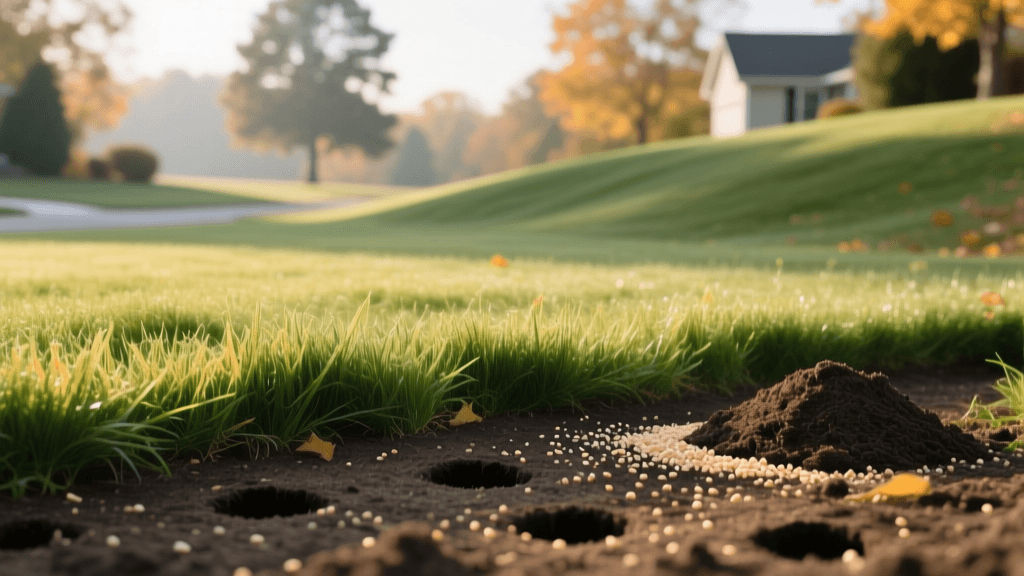
Ultimate Fall Lawn Care: Winterize Cool-Season Grass
Why Fall is the Most Critical Season for Cool-Season Grasses
When it comes to maintaining a lush, vibrant lawn, many homeowners mistakenly believe that spring is the most important season for lawn care. However, for cool-season grasses—such as Kentucky Bluegrass, Tall Fescue, Fine Fescue, and Perennial Ryegrass—fall is actually the most critical time of the year. As air temperatures drop to between 60°F and 75°F, these grasses enter a period of peak growth. While top growth slows down, the grass focuses its energy on deep root development and storing essential carbohydrates to survive the harsh winter dormancy.
According to the University of Minnesota Extension, a lawn that is properly winterized in the fall will green up weeks earlier in the spring, resist summer drought stress more effectively, and naturally crowd out spring weeds. Neglecting your lawn from late August through November is a missed opportunity that will cost you time and money when the next growing season arrives.
The Ultimate Fall Lawn Care Calendar
To maximize your lawn's health, timing is everything. Below is a structured timeline to help you plan your seasonal maintenance routines based on the specific needs of cool-season turfgrasses.
| Timeframe | Primary Tasks | Product / Tool Recommendations |
|---|---|---|
| Early Fall (Late Aug - Mid Sept) | Core aeration, overseeding, starter fertilization | Walk-behind core aerator, Tall Fescue seed blend, Starter Fertilizer (e.g., 18-24-12) |
| Mid Fall (Late Sept - Mid Oct) | Broadleaf weed control, continued mowing, deep watering | Trimec or 2,4-D based herbicides, sharp mower blades |
| Late Fall (Late Oct - Nov) | Winterizer fertilization, final mow, leaf mulching | WinterGuard (e.g., 22-0-14), mulching mower blade |
Step 1: Core Aeration and Dethatching
Over the summer, heavy foot traffic and intense heat cause soil compaction, which restricts the flow of oxygen, water, and nutrients to the root zone. Core aeration involves removing small plugs of soil (typically 2 to 3 inches deep and 0.5 to 0.75 inches in diameter) to alleviate this compaction.
Actionable Advice: Rent a gas-powered core aerator from your local hardware store (typically costing $70 to $100 for a half-day rental). Make two passes over your lawn in perpendicular directions for maximum soil relief. Leave the soil plugs on the lawn; they will break down naturally and return beneficial microbes to the thatch layer. If your thatch layer exceeds 0.5 inches, consider renting a power rake or dethatcher before aerating.
Step 2: Overseeding for a Thicker Turf
Overseeding fills in bare spots, improves turf density, and introduces newer, more disease-resistant grass cultivars to your lawn. The aeration holes provide perfect seed-to-soil contact, which is vital for germination.
Recommended Seeding Rates:
- Tall Fescue: 6 to 8 lbs per 1,000 sq. ft.
- Kentucky Bluegrass: 1 to 2 lbs per 1,000 sq. ft.
- Perennial Ryegrass: 4 to 5 lbs per 1,000 sq. ft.
For premium results, consider high-quality seed blends like Jonathan Green Black Beauty or Scotts Turf Builder Thick'R Lawn, which often include seed coatings that retain moisture and protect against fungal diseases. Keep the top inch of soil consistently moist for the first 14 to 21 days by watering lightly 2 to 3 times per day.
Step 3: Fall Fertilization Strategies
Fall fertilization is arguably the most important nutrient application of the year. The Michigan State University Extension recommends a two-step fertilization approach for optimal cool-season grass health.
Early Fall (September): Apply a balanced starter fertilizer (such as an N-P-K ratio of 18-24-12) immediately after overseeding. The phosphorus promotes rapid root establishment for new seedlings.
Late Fall (November): After the final mow of the season, but while the grass is still green, apply a "winterizer" fertilizer. Winterizers are high in nitrogen and potassium but contain little to no phosphorus (e.g., 22-0-14 or 32-0-10). The nitrogen fuels the production of stored carbohydrates, while the potassium acts as an antifreeze, strengthening cell walls against freezing temperatures. Products like Scotts Turf Builder WinterGuard are industry standards for this application. Apply at a rate of 1 to 1.5 lbs of actual nitrogen per 1,000 sq. ft.
Step 4: Adjusting Mowing Heights and Leaf Management
As the season progresses, gradually lower your mower deck. While you should maintain a height of 3 to 3.5 inches during the summer to shade the soil, drop the blade to 2.5 inches for your final late-fall mow. This prevents the grass blades from matting down under heavy snow, which can lead to snow mold (Microdochium nivale).
When it comes to fallen leaves, do not let them smother your turf. Instead of raking, use a mulching mower to shred the leaves into dime-sized pieces. According to Penn State Extension, mulched leaves decompose rapidly, returning valuable organic matter and nitrogen to the soil without contributing to thatch buildup.
Step 5: Broadleaf Weed Control
Fall is the best time to tackle perennial broadleaf weeds like dandelions, clover, and plantain. During autumn, these weeds are actively pulling nutrients down into their taproots to prepare for winter. When you apply a liquid broadleaf herbicide containing active ingredients like 2,4-D, Dicamba, or MCPP (found in products like Ortho WeedClear or Bayer Advanced), the plant absorbs the chemical and translocates it directly to the root, ensuring a complete kill.
"Applying broadleaf herbicides in the fall is significantly more effective than spring applications, as the weeds are actively storing nutrients in their roots, carrying the herbicide deep into the plant's vascular system." - Turfgrass Science Experts
Note: Avoid applying broadleaf herbicides within 3 to 4 weeks of overseeding, as they can stunt the growth of young grass seedlings. Always read the product label for specific timing restrictions.
Step 6: Late Fall Irrigation and Winter Hydration
Many homeowners shut off their sprinkler systems too early. While you should reduce watering frequency as temperatures drop, it is crucial to ensure your lawn enters winter dormancy well-hydrated. A deep, thorough watering in late November—right before the ground freezes completely—helps insulate the root system and prevents winter desiccation, a condition where harsh, dry winds strip moisture from dormant grass blades. If your region lacks sufficient autumn rainfall, continue to water deeply once a week until the first hard frost.
Step 7: Equipment Winterization
Your lawn care tools need seasonal maintenance just as much as your turf. Before storing your mower for the winter, drain the gasoline or add a fuel stabilizer to prevent the carburetor from gumming up. Clean the underside of the mower deck to remove caked-on grass clippings and moisture, which cause rust. Finally, sharpen or replace your mower blades now so you are ready for a clean, precise cut the moment spring arrives.
Conclusion: Investing in Spring Success
Winterizing your cool-season lawn requires a strategic approach, combining mechanical practices like aeration with precise chemical applications. By investing a weekend or two in the fall, you drastically reduce the need for expensive curative treatments, heavy spring seeding, and aggressive weed control measures. Follow this seasonal maintenance guide, and your lawn will reward you with a thick, resilient, and deeply green carpet of grass the moment the spring thaw arrives.