Home & Garden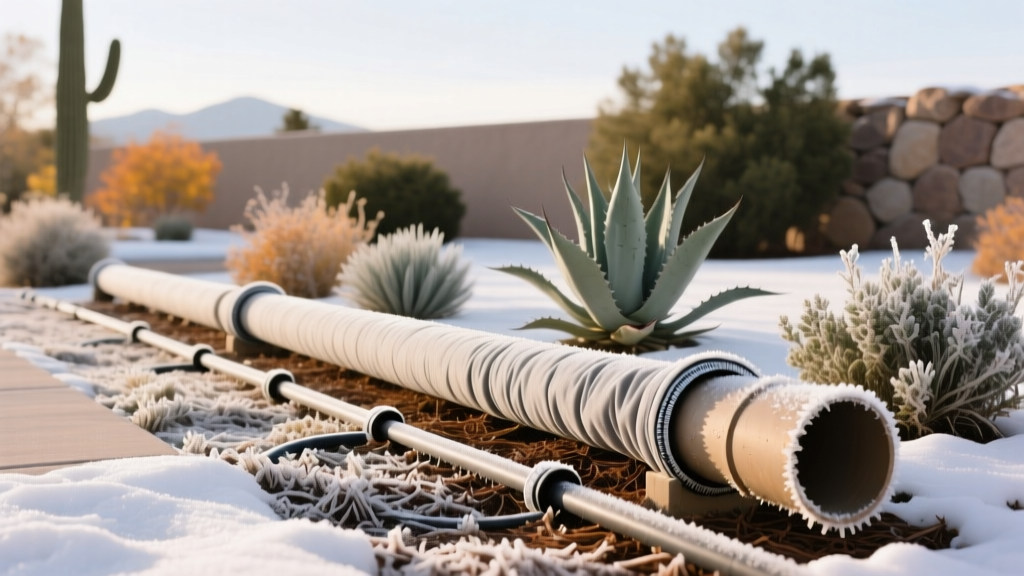
2026 Xeriscape Winterization: Insulate Pipes & Weatherstrip Home
James MillerPublished
The Intersection of Water and Energy Conservation
Xeriscaping is often associated with the sweltering heat of summer, where drought-tolerant plants and efficient drip irrigation systems save thousands of gallons of water. However, as we navigate the winter season of 2026, the true test of a sustainable landscape lies in how well we protect its infrastructure from freezing temperatures. True sustainability in home and garden care bridges the gap between outdoor water conservation and indoor energy efficiency. By focusing on fall home winterization, specifically outdoor pipe insulation and targeted weatherstripping, xeriscape enthusiasts can ensure their low-water gardens survive the frost while keeping their home's thermal envelope intact.
According to the EPA WaterSense program, proper winterization of irrigation systems is critical to preventing catastrophic pipe bursts that not only waste water but also cause severe property damage. Simultaneously, sealing the gaps where these outdoor utility lines penetrate your home prevents cold drafts, reducing your winter heating bills. In 2026, the integration of smart home technology and advanced insulating materials makes this dual-pronged approach easier and more effective than ever.
Winterizing Xeriscape Irrigation Infrastructure
While xeriscape gardens rely heavily on native, drought-resistant flora that requires minimal supplemental watering, the irrigation infrastructure that sustains them during establishment periods and extreme dry spells remains highly vulnerable to winter freezes. Drip lines themselves hold very little water, but the mainlines, backflow preventers, and smart controllers require meticulous attention.
Insulating Backflow Preventers and Smart Valves
The backflow preventer is the most vulnerable component of any xeriscape irrigation system. Typically installed above ground near the foundation, it contains complex internal valves that can crack if residual water freezes and expands. In 2026, the standard practice goes beyond simply wrapping it in old towels. Professionals now recommend using rigid, insulated backflow covers made from high-density polyethylene with an inner core of closed-cell foam. For the exposed copper or PVC pipes leading to the device, aerogel-infused pipe wraps have become the gold standard. Originally developed for aerospace applications, aerogel wraps offer superior thermal resistance in a remarkably thin profile, making them ideal for tight spaces against the home's foundation.
Before insulating, it is imperative to perform a system blowout. The Irrigation Association strongly advises using an air compressor to clear residual water from the lines. For xeriscape drip systems, keep the air pressure below 50 PSI to avoid blowing apart the delicate emitters and micro-sprayers. Once the lines are clear, shut off the main water valve, drain the backflow device, and apply the insulation.
Protecting Rainwater Harvesting Systems and Cisterns
Rainwater harvesting is a cornerstone of advanced xeriscaping, capturing seasonal precipitation to offset municipal water use. However, above-ground rain barrels and the PVC piping that connects them to your garden beds are prime targets for freeze damage. For 2026 winterization, drain all rain barrels completely and leave the spigots open. The connecting pipes should be wrapped with rubberized foil-backed fiberglass insulation, which resists moisture degradation and reflects ambient heat. If you utilize a large underground cistern, ensure the submersible pump is removed and stored indoors, and insulate the access hatch with rigid foam board to prevent the top layer of stored water from freezing.
Weatherstripping: Sealing the Envelope for Utility Penetrations
Weatherstripping is typically associated with drafty doors and windows, but for the eco-conscious xeriscape homeowner, it plays a vital role in sealing the building envelope against utility penetrations. Every pipe, wire, and hose bibb that passes through your exterior wall creates a potential gap for air infiltration, moisture intrusion, and pest entry.
Sealing Irrigation and Utility Line Penetrations
Where do your outdoor irrigation lines connect to the indoor plumbing? Often, the main water line exits through the basement or crawlspace wall, leaving a gap around the pipe. Over time, the original builder's caulk dries, cracks, and falls away. In the fall, inspect every penetration point related to your outdoor water features, hose bibbs, and landscape lighting conduits. Use a high-quality, exterior-grade expanding polyurethane foam for gaps larger than a quarter-inch. For smaller gaps around frost-proof hose bibbs, a weather-resistant silicone sealant provides a flexible, watertight barrier that accommodates the natural expansion and contraction of pipes during temperature swings.
Energy-Efficient Weatherstripping Materials for 2026
According to the U.S. Department of Energy, properly sealing air leaks can reduce your home's energy consumption by up to 20 percent. While this primarily applies to doors and windows, the principle extends to the garage doors where irrigation equipment and xeriscape tools are stored. In 2026, silicone bulb seals and EPDM (ethylene propylene diene monomer) foam tape are the preferred materials for garage and exterior utility doors. Unlike traditional vinyl or felt, EPDM foam retains its elasticity in sub-zero temperatures, ensuring that the cold air stays out and your stored liquid fertilizers and organic soil amendments do not freeze.
Comparison Table: 2026 Pipe Insulation Materials for Outdoor Use
Choosing the right insulation for your xeriscape pipes depends on the specific application, exposure to UV light, and moisture levels. Below is a comparison of the top materials available this year.
| Insulation Material | Best Application | Thermal Performance | 2026 Avg Cost (per ft) |
|---|---|---|---|
| Polyethylene Foam Tubing | Standard PVC mainlines, indoor crawlspace pipes | Moderate (R-3 to R-4) | $0.75 - $1.20 |
| Aerogel-Infused Wrap | Tight spaces, backflow preventers, smart valves | Exceptional (R-10+ equivalent) | $8.50 - $12.00 |
| Rubberized Foil-Fiberglass | Rainwater harvesting pipes, exposed outdoor PVC | High (R-6 to R-8), UV & Moisture Resistant | $2.50 - $3.75 |
| Thermostatic Heat Tape w/ Sleeve | Frost-proof hose bibbs, critical above-ground valves | Active Heating (Prevents freezing entirely) | $15.00 - $22.00 |
Step-by-Step Fall Winterization Checklist
To ensure your low-water landscape and home are fully prepared for the winter months, follow this comprehensive checklist before the first hard freeze:
- Audit the System: Walk your xeriscape property and map out all above-ground pipes, valves, hose bibbs, and rain barrels.
- Blow Out Drip Lines: Connect an air compressor to the mainline and clear water from drip zones, strictly maintaining pressure below 50 PSI.
- Drain and Store: Empty all rain barrels, disconnect garden hoses, and store them in a frost-free garage or shed.
- Insulate Vulnerable Nodes: Wrap backflow preventers with rigid insulated covers and apply aerogel or foam wraps to exposed piping.
- Seal Penetrations: Inspect the exterior foundation where pipes enter the home. Apply expanding foam or silicone caulk to seal any drafts.
- Weatherstrip Utility Doors: Apply EPDM foam tape to the garage or shed doors where sensitive xeriscape supplies and liquid soil amendments are stored.
- Test Smart Sensors: If your 2026 smart irrigation controller features a freeze sensor, test it to ensure it automatically disables the system when temperatures drop below 37 degrees Fahrenheit.
Conclusion
Xeriscaping is a holistic approach to property management that values every drop of water and every kilowatt of energy. By dedicating a weekend this fall to insulating your outdoor irrigation infrastructure and weatherstripping the utility penetrations of your home, you protect your financial investment and uphold the environmental principles of low-water landscaping. The advancements in insulation materials and smart home integration available in 2026 make this process more efficient than ever, ensuring your garden is ready to thrive when the spring thaw arrives.
