
Landscaping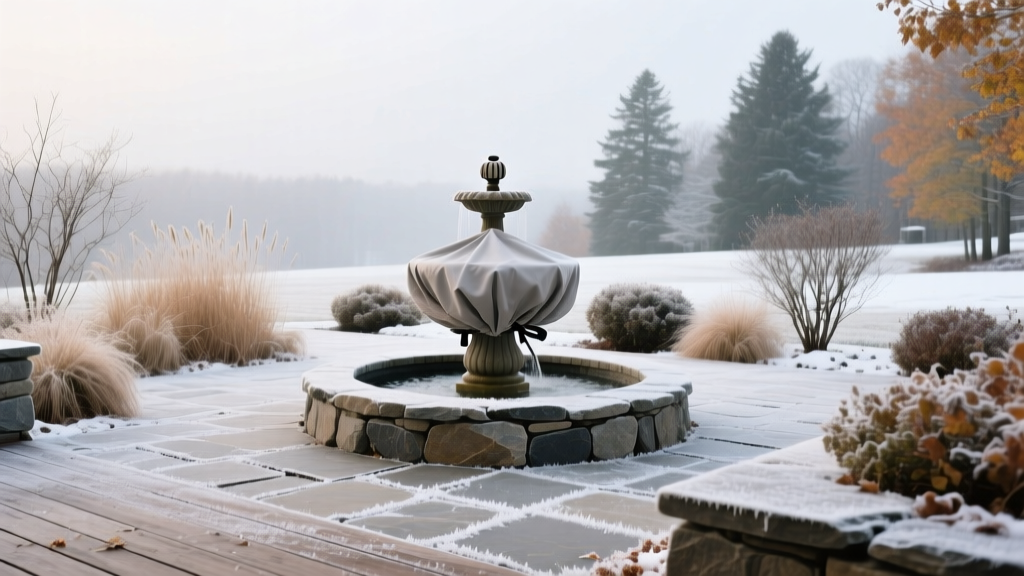
Winterizing Hardscapes and Water Features for Cold Climates
Sarah ChenPublished
Autumn Maintenance and the Freeze-Thaw Threat
Autumn brings spectacular foliage and crisp air, but for homeowners with extensive landscaping, it also signals the urgent need for seasonal maintenance. Winterizing hardscapes and water features is not merely an aesthetic chore; it is a critical structural necessity. In regions that experience freezing temperatures, the transition from fall to winter can wreak havoc on unprotected patios, retaining walls, fountains, and ponds. According to the National Association of Landscape Professionals, proactive autumn maintenance can reduce springtime hardscape repair costs by up to 40 percent, saving homeowners thousands of dollars in preventable damage.
The Hidden Threat of the Freeze-Thaw Cycle
To understand why winterization is vital, you must understand the freeze-thaw cycle. Water is unique in that it expands by approximately 9 percent when it freezes. When rain or melting snow seeps into the microscopic pores of concrete pavers, natural stone, or terracotta fountains, it becomes trapped. As nighttime temperatures plummet below 32°F (0°C), this trapped water freezes and expands, creating immense internal pressure. Over the course of a winter with dozens of freeze-thaw cycles, this pressure causes spalling (flaking), cracking, and severe heaving. The Interlocking Concrete Pavement Institute (ICPI) emphasizes that proper joint stabilization and surface sealing are the primary defenses against this destructive cycle.
Step-by-Step Hardscape Winterization
1. Deep Cleaning and Stain Removal
Before applying any protective treatments, your pavers and stone must be immaculate. Use a specialized, non-acidic paver cleaner like Techniseal Paver Prep or a mild, biodegradable concrete wash. Avoid high-pressure power washing on older, unsealed pavers, as it can wash away the crucial joint sand. If you must use a pressure washer, keep the PSI below 1,500 and use a wide 40-degree fan tip. Allow the surface to dry completely for at least 48 hours before moving to the next step.
2. Replenishing Polymeric Joint Sand
Joint sand is the unsung hero of hardscape stability. It locks pavers together and prevents water from pooling beneath the surface. Inspect your patio and walkways for voids. Sweep high-quality polymeric sand into the joints, ensuring it sits about 1/8 inch below the paver's chamfer (beveled edge). Lightly mist the area with a garden hose to activate the polymers, which bind the sand together into a flexible, water-resistant barrier once cured.
3. Applying a Breathable Penetrating Sealer
In freezing climates, avoid film-forming acrylic sealers, which can trap moisture inside the stone and lead to catastrophic spalling. Instead, opt for a breathable, siloxane-based penetrating sealer. These sealers line the microscopic pores of the stone, repelling liquid water while allowing water vapor to escape. Apply the sealer when daytime temperatures are consistently above 50°F and rising, and ensure no rain is forecasted for 24 hours. Coverage typically requires one gallon per 150-200 square feet.
Protecting Retaining Walls and Landscape Edging
Retaining walls face immense hydrostatic pressure during the winter months. As the soil behind the wall freezes, it expands outward—a phenomenon known as frost heave. To mitigate this, ensure that the weep holes and drainage pipes behind your retaining wall are completely clear of autumn debris. Flush the drainage aggregate with a garden hose in early fall to remove silt buildup. For landscape edging, particularly metal or plastic benders, inspect the stakes. Frost heave can push edging upward, creating tripping hazards and damaging mower blades. Hammer down any loose stakes and backfill gaps with compacted gravel to improve subsurface drainage.
Winterizing Outdoor Water Features
Water features require a distinct approach, as standing water in rigid basins is a recipe for cracked shells and burnt-out pumps.
Fountains, Birdbaths, and Statuary
For above-ground features made of cast stone, concrete, or terracotta, complete drainage is non-negotiable. Unplug and remove the pump, storing it indoors in a bucket of water to keep the seals from drying out. Dry the fountain basin completely using towels or a wet-dry vac. Cover the feature with a heavy-duty, breathable frost cover or wrap it in burlap and a waterproof tarp. Never use plastic wrap directly against the stone, as it traps condensation that will freeze and crack the material.
Koi Ponds and Waterfalls
Ecosystem ponds require biological and mechanical winterization. According to the University of Minnesota Extension, preparing a water garden for winter begins with netting the pond in early fall to prevent leaf litter from decaying and releasing toxic gases beneath the ice. As water temperatures drop below 50°F, switch to a cold-water beneficial bacteria (such as Aquascape Sludge & Filter Cleaner) to break down organic debris before the pond freezes. Remove the main waterfall pump and store it indoors, but leave a small submersible pump or a floating pond de-icer near the surface. This keeps a hole open in the ice, allowing harmful gases to escape and oxygen to enter, which is critical for overwintering fish.
Seasonal Maintenance Cost and Material Guide
Budgeting for seasonal care ensures you have the right materials on hand when the weather turns. Below is a breakdown of average costs and product recommendations for a standard 500-square-foot patio and a 1,000-gallon backyard pond.
| Maintenance Task | Recommended Product Type | Estimated Cost | Timing |
|---|---|---|---|
| Paver Cleaning | Non-acidic paver prep cleaner | $25 - $45 per gallon | Early October |
| Joint Sand Stabilization | Polymeric sand (50 lb bag) | $35 - $60 per bag | Mid-October |
| Penetrating Sealer | Siloxane-based water repellent | $0.30 - $0.60 per sq. ft. | Late October |
| Pond De-Icer | Floating 200W pond de-icer | $50 - $85 | November (Pre-freeze) |
| Cold-Water Bacteria | Cold-water bacterial treatment | $20 - $35 per bottle | September - November |
Common Winterization Mistakes to Avoid
- Using Rock Salt on Pavers: Traditional sodium chloride rock salt causes severe efflorescence (white, powdery stains) and accelerates the spalling of concrete pavers. Use calcium magnesium acetate (CMA) or sand for winter traction instead.
- Leaving Pumps Running in Waterfalls: If ice forms around a waterfall, it can divert water out of the pond liner, draining the pond and burning out the pump. Always bypass or remove waterfall pumps in freezing climates.
- Smashing Ice on Birdbaths: Never use a hammer or heavy object to break ice in a concrete or resin birdbath. The shockwaves will cause micro-fractures that guarantee the bowl will split by spring.
- Sealing Over Damp Stone: Applying a penetrating sealer to damp pavers traps moisture inside the stone, negating the purpose of the sealer and accelerating freeze-thaw damage.
Conclusion
Winterizing your hardscapes and water features is an investment in the longevity and beauty of your outdoor living spaces. By understanding the mechanics of the freeze-thaw cycle and taking proactive steps to clean, seal, and drain your landscape elements, you ensure that your property will emerge vibrant and intact when spring finally arrives. Consult with local landscape professionals to tailor these seasonal maintenance routines to your specific microclimate and materials.

