
Landscaping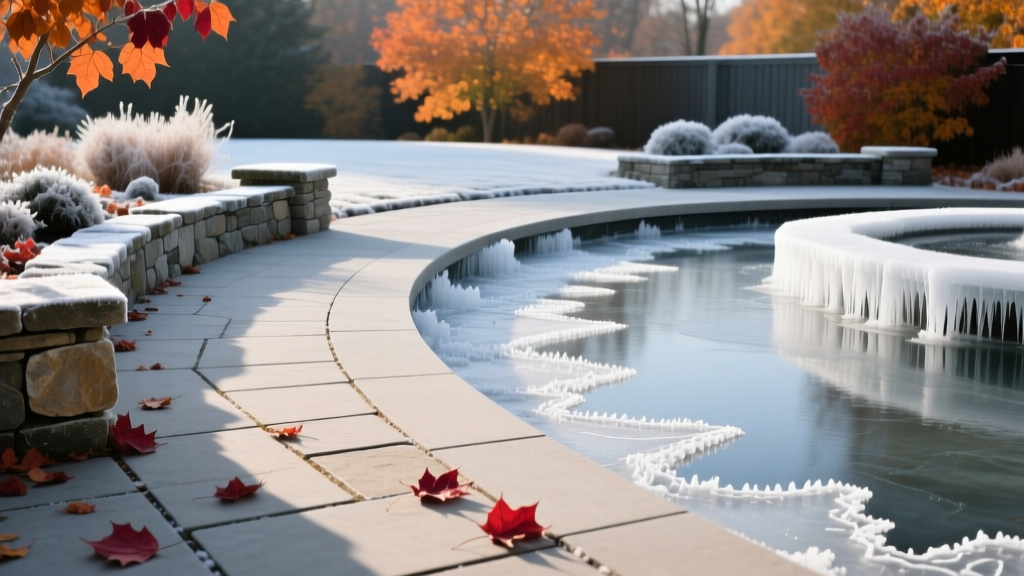
Winterizing Your Landscape Hardscapes and Water Features
Mike RodriguezPublished
The Hidden Dangers of the Freeze-Thaw Cycle
As autumn leaves begin to fall and daytime temperatures dip, homeowners often focus heavily on lawn aeration, overseeding, and leaf removal. However, neglecting your hardscapes and water features during the fall can lead to catastrophic and expensive damage when the brutal freeze-thaw cycles of winter arrive. Hardscaping elements like paver patios, natural stone walkways, retaining walls, and backyard ponds represent a significant financial investment, often costing tens of thousands of dollars to install. Proper seasonal maintenance and care are absolutely essential to prevent surface spalling, structural heaving, and mechanical equipment failure.
Water expands by approximately nine percent when it freezes. If moisture is trapped within the microscopic pores of concrete, natural stone, or the base materials beneath your patio, that expanding ice exerts immense outward pressure. Over the course of a single winter, dozens of freeze-thaw cycles can cause pavers to shift, mortar to crumble, and retaining walls to bow outward. According to the National Association of Landscape Professionals, proactive autumn care and winterization are the most cost-effective ways to extend the lifespan of your outdoor living spaces and avoid massive spring repair bills.
Step-by-Step Paver and Patio Winterization
Deep Cleaning and Joint Stabilization
Before applying any protective sealers, your hardscapes must be completely free of organic matter, dirt, and failing joint sand. Begin by sweeping the surface with a stiff-bristled push broom. Next, use a pressure washer equipped with a surface cleaner attachment to ensure an even clean without gouging the pavers. Keep the pressure below 3,000 PSI and maintain a distance of at least 12 inches from the surface to avoid washing out the existing base sand.
Once the patio is completely dry, inspect the joints. If the sand has washed out or settled more than an eighth of an inch below the paver surface, it is time to reapply polymeric sand. Polymeric sand contains binding agents that harden when activated with water, creating a flexible yet solid barrier that prevents water infiltration and stops weeds from taking root. Sweep the sand deeply into the joints, compact it with a plate compactor, and mist it lightly with a garden hose. Crucial Timing: Polymeric sand requires at least 24 to 48 hours of dry weather with temperatures above 50°F to cure properly. Do not apply it if frost or heavy rain is in the forecast.
Choosing and Applying the Right Penetrating Sealer
Not all sealers are created equal. For freeze-thaw climates, avoid cheap film-forming acrylic sealers, which can trap moisture inside the stone and cause severe spalling when the trapped water freezes. Instead, opt for a breathable, penetrating siloxane or silane-based sealer. These chemicals penetrate deep into the pores of the concrete or stone and create a hydrophobic barrier that repels liquid water while allowing water vapor to escape.
Apply the penetrating sealer using a low-pressure pump sprayer or a microfiber applicator pad. The standard application rate is typically 1 gallon per 100 to 150 square feet, depending on the porosity of your material. Apply the sealer in the early to mid-fall, ensuring that daytime temperatures remain consistently above 50°F for at least 24 hours after application to allow the chemical catalyst to fully react.
Protecting Retaining Walls from Hydrostatic Pressure
Retaining walls face a unique winter threat: hydrostatic pressure. When the soil behind a retaining wall becomes saturated with autumn rain and subsequently freezes, the expanding ice pushes against the back of the wall with thousands of pounds of force. Guidelines published by the Penn State Extension emphasize that proper drainage is the single most critical factor in retaining wall survival.
- Clear Weep Holes: Use a wire brush or a plumber's snake to clear out any debris, mud, or spider webs blocking the weep holes at the base of the wall. Water must be able to escape freely.
- Flush French Drains: If your retaining wall relies on a perforated pipe French drain behind it, flush the pipe with a high-pressure garden hose or a drain snake to ensure autumn mud and roots have not caused a blockage.
- Inspect Geotextile Fabric: If you notice soil washing out through the joints of your wall, the geotextile fabric behind it may have failed. While a full repair requires dismantling, you can temporarily mitigate soil loss by packing the joints tightly with crushed gravel or specialized drainage sand before winter.
Comprehensive Water Feature and Pond Shutdown
Pump Removal and Seal Preservation
Submersible water feature pumps are highly susceptible to winter damage. If left in a freezing pond, the residual water inside the pump housing will freeze, expand, and crack the ceramic impeller seals or the outer casing. Before the first hard freeze, disconnect the pump, remove it from the water, and clean the intake screen of all algae and debris. Store the pump indoors in a 5-gallon bucket filled with distilled water. Submerging the pump prevents the internal rubber O-rings and seals from drying out, cracking, and failing when you restart the feature in the spring.
Netting and Debris Management
Falling autumn leaves are the enemy of backyard ponds. As leaves sink to the bottom and decompose, they release toxic gases like hydrogen sulfide. If the pond freezes over completely, these gases become trapped under the ice and can be lethal to overwintering fish like koi and goldfish. Stretch a heavy-duty, UV-resistant deer netting tightly over the pond surface, securing the edges with landscape stakes every three feet. This will catch the leaves, allowing you to simply roll up the net and dispose of the debris once the trees are bare.
Proper seasonal maintenance and care are absolutely essential to prevent surface spalling, structural heaving, and mechanical equipment failure in your landscape.
Fall Hardscape Maintenance Cost and Material Guide
Budgeting for fall maintenance is easier when you understand the material costs and timing requirements. The table below outlines the essential tasks, recommended products, and estimated costs for a standard residential landscape.
| Maintenance Task | Recommended Material / Product | Estimated Cost | Optimal Timing |
|---|---|---|---|
| Paver Sealing | Siloxane Penetrating Sealer | $0.25 - $0.50 / sq ft | Early Fall (Temps 50°F+) |
| Joint Stabilization | High-Performance Polymeric Sand | $35 - $45 / 40lb bag | Mid-Fall (Dry 48hr window) |
| Pond Netting | Heavy-Duty UV Deer Netting | $40 - $60 / 1000 sq ft | Before peak leaf drop |
| Pump Storage | 5-Gallon Bucket & Distilled Water | $15 - $20 total | Before first hard freeze |
| Drain Flushing | Drain Snake / High-Pressure Nozzle | $20 - $40 (tool rental) | Late Fall |
Safe Winter De-Icing and Snow Removal Practices
How you manage snow and ice on your hardscapes during the winter directly impacts their longevity. The United States National Arboretum and various landscaping experts strongly advise against using traditional rock salt (Sodium Chloride) or harsh Calcium Chloride on natural stone, stamped concrete, or newer pavers. These chemicals cause severe scaling, efflorescence (white powdery residue), and accelerate the corrosion of nearby metal landscape edging.
Instead, stock up on Calcium Magnesium Acetate (CMA) or Magnesium Chloride. CMA is a biodegradable, chloride-free de-icer that is safe for concrete, natural stone, pets, and surrounding garden beds. While it is slightly more expensive than rock salt—typically costing around $30 to $40 for a 50-pound bag—it will save you thousands of dollars in premature hardscape replacement.
Furthermore, never use metal snow shovels or steel ice scrapers on your patio. Metal edges will gouge and scratch the surface of pavers and stamped concrete, creating deep grooves where water will inevitably pool and freeze. Always invest in a heavy-duty polyurethane or plastic snow pusher, and use a plastic ice chopper for stubborn ice patches.
Summary Checklist for the Season
To ensure your landscape survives the winter unscathed, follow this quick seasonal checklist:
- Pressure wash and re-sand all paver joints before temperatures drop below 50°F.
- Apply a breathable siloxane sealer to all concrete and natural stone surfaces.
- Clear all weep holes and flush French drains behind retaining walls.
- Remove, clean, and submerge water feature pumps in distilled water indoors.
- Install tight-fitting netting over ponds to prevent toxic leaf decomposition.
- Purchase CMA-based de-icers and plastic snow shovels before the first snowstorm.
By dedicating a single weekend this fall to these crucial hardscape and water feature maintenance tasks, you will protect your investment, preserve your curb appeal, and ensure your outdoor living spaces are ready to be enjoyed the moment spring arrives.

