Home & Garden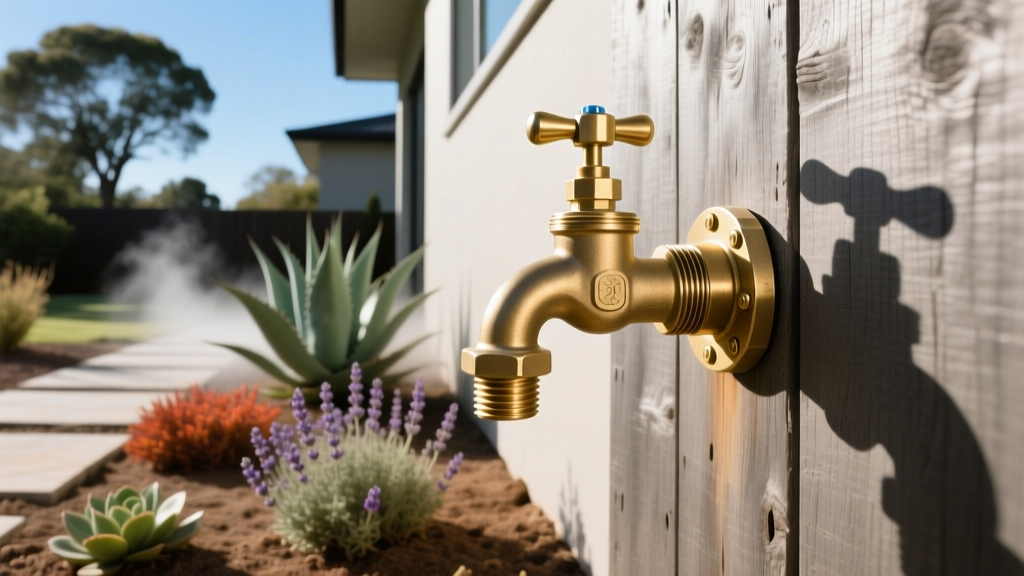
Freeze-Proof Sillcock Installation & Fire-Ready Winterizing 2026
Anna KowalskiPublished
The Critical Link Between Winter Plumbing and Wildfire Defense
When homeowners think about fire-resistant landscaping, they typically focus on plant selection, hardscaping, and creating defensible space. However, one of the most overlooked components of a comprehensive wildfire defense strategy is the reliability of your exterior water supply. In the Wildland-Urban Interface (WUI), an accessible, year-round water source is your first line of defense during an ember storm or an approaching fire front. If your outdoor faucet freezes, bursts, and is subsequently shut off during the winter, your home is left critically vulnerable to early spring or late autumn wildfire events.
As we navigate the shifting climate patterns of 2026, fire seasons are increasingly overlapping with freeze-thaw cycles in high-altitude and WUI zones. Upgrading to a high-quality, freeze-proof sillcock—and winterizing it correctly—is not just a plumbing maintenance task; it is a vital home-hardening protocol. According to the National Fire Protection Association (NFPA), maintaining the integrity of your home's exterior attachments and ensuring functional emergency resources are key pillars of reducing home ignition potential.
The WUI Water Supply Vulnerability
In a fire emergency, municipal water pressure can drop drastically, or power outages may disable electric well pumps. Having a gravity-fed or pressurized exterior hose bibb allows you to manually wet down your roof, defend your defensible space, or run impact sprinklers to protect your fire-resistant landscaping. A standard outdoor faucet that freezes and cracks in January forces you to shut off the water to that line. If a red-flag wind event occurs in April before repairs are made, you are left without a crucial exterior water hookup.
Furthermore, the Insurance Institute for Business & Home Safety (IBHS) emphasizes that water intrusion and structural damage from burst pipes can compromise the very building envelope you are trying to protect from embers. A freeze-proof sillcock prevents this interior damage while guaranteeing that your exterior fire-defense systems remain operational 365 days a year.
Material Selection: Why Brass is Mandatory for Fire Zones
Not all freeze-proof sillcocks are created equal, especially when viewed through the lens of fire resistance. Many big-box store models feature plastic casing, PVC internal components, or cheap pot-metal handles. In a high-heat wildfire scenario, exterior plastic components can melt, severing your water supply exactly when you need it most.
For fire-resistant landscaping and WUI compliance, you must install a solid brass or heavy-duty bronze sillcock. Brass has a melting point of over 1,700°F (926°C), ensuring the fixture will survive radiant heat and direct ember exposure long enough for you to deploy your hoses or sprinkler systems. The University of California Agriculture and Natural Resources (UC ANR) home hardening guidelines consistently recommend non-combustible, metal exterior fixtures to prevent ignition points and maintain structural integrity during a fire.
Top 2026 Pick: Woodford Model 22 Brass Freeze-Proof Sillcock
For 2026, the gold standard for fire-zone installations remains the Woodford Model 22. Priced between $95 and $130 depending on the length (4 to 12 inches), this heavy-duty, anti-burst wall faucet is constructed entirely of rugged brass. It features a built-in drain valve that automatically empties the exposed tube when the water is shut off, provided no hose is attached. Its robust construction ensures it will not warp under intense radiant heat, making it the ideal anchor point for your exterior fire-defense manifold.
Step-by-Step Installation for Fire-Hardened Homes
Installing a freeze-proof sillcock requires routing the water shut-off valve deep inside your home's insulated, heated envelope. Here is how to install it while maintaining your home's fire-hardened exterior.
Step 1: Shut Off, Drain, and Measure
Turn off your main water supply and open the lowest drain valve. Measure the thickness of your exterior wall, including the siding, sheathing, insulation, and interior drywall. Purchase a Woodford Model 22 with a tube length that exceeds your wall thickness by at least one inch to ensure the shut-off valve sits well within the heated interior space.
Step 2: Core Drilling and Slope
Drill a hole through the wall using a hole saw slightly larger than the sillcock tube. Crucially, the hole must be drilled with a slight downward slope (about 1/4 inch per foot) toward the exterior. This gravity pitch ensures that when the interior valve is closed, the residual water in the tube drains completely outside, preventing internal freezing.
Step 3: Ember-Resistant Sealing
In fire zones, gaps around plumbing penetrations are prime entry points for wind-blown embers. Do not use standard expanding foam, which is highly combustible. Instead, pack the gap around the brass tube with mineral wool insulation (which is naturally fire-resistant), and seal the exterior and interior penetrations with a high-temperature, fire-rated silicone or intumescent caulk. This seals out drafts and blocks embers from entering your wall cavity.
Step 4: Secure the Mounting Flange
Attach the brass mounting flange to your exterior siding using stainless steel screws. Ensure the rubber or silicone gasket is properly seated to prevent water intrusion, which can lead to wood rot and create dry, combustible material behind your siding.
Sillcock Comparison Chart for Fire Zones
| Feature | Standard Plastic Frost-Free | Woodford Model 22 (Brass) | Standard Brass Non-Freeze |
|---|---|---|---|
| Material | PVC / Polypropylene | Solid Brass / Bronze | Solid Brass |
| Freeze Protection | Moderate (Prone to cracking) | High (Anti-burst design) | None (Will burst if uninsulated) |
| Fire / Melt Resistance | Poor (Melts at ~320°F) | Excellent (Withstands 1700°F+) | Excellent |
| WUI Compliance (2026) | Not Recommended | Highly Recommended | Not Recommended (Freeze risk) |
| Average 2026 Cost | $35 - $50 | $95 - $130 | $45 - $70 |
Winterizing Your Fire-Defense Water Lines
A common and dangerous misconception is that a 'freeze-proof' sillcock requires no winter maintenance. The anti-freeze mechanism only works if the exterior hose is completely disconnected. If a hose is left attached to a Woodford Model 22, the water cannot drain from the tube, and the brass will split just like a standard faucet, ruining your fire-defense water supply.
For 2026, integrating smart water monitoring technology is the best way to protect these lines. Devices like the Flo by Moen or Phyn Plus smart water valves monitor your plumbing for micro-leaks and pressure drops. If a freeze causes a crack in an exterior line while you are away, the smart valve will automatically shut off the main water supply, preventing catastrophic interior flooding while alerting you to the exact location of the breach so it can be repaired before fire season begins.
Additionally, if you have an exterior irrigation manifold dedicated to your fire-resistant landscaping, you must blow out those specific lines with an air compressor in late autumn. Keep the manifold valves closed and insulated throughout the winter, but ensure the primary brass sillcock remains functional for emergency manual use.
Integrating Exterior Water with Fire-Resistant Landscaping
Once your heavy-duty brass sillcock is installed and winterized, it serves as the anchor for your exterior fire-defense strategy. In 2026, fire-resistant landscaping goes beyond simply planting succulents; it involves active moisture management during critical fire weather events.
The 5-Foot Non-Combustible Zone Hydration
The area immediately surrounding your home (Zone 0) should be free of combustible mulch and vegetation. However, many homeowners use high-moisture, fire-resistant deciduous shrubs or groundcovers in this zone to act as a heat shield. Your freeze-proof sillcock allows you to connect a drip-line or micro-sprinkler system to deeply hydrate these specific plants right before a predicted red-flag warning, turning your landscaping into a living, wet firebreak.
Smart Manifold Systems for Roof and Perimeter Defense
Consider installing a dedicated brass hose manifold directly to your new sillcock. This allows you to keep a heavy-duty, fire-rated hose connected to a roof sprinkler system while leaving a second port open for manual defense. During a wildfire approach, wetting down the roof and the immediate hardscaping can prevent ember ignition. Because you invested in a solid brass, freeze-proof fixture, you can trust that the water pressure will be there when the smoke appears on the horizon.
Conclusion
Bridging the gap between seasonal home maintenance and long-term disaster preparedness is the hallmark of a truly resilient property. By installing a solid brass, freeze-proof sillcock like the Woodford Model 22, you protect your home's interior from winter water damage while ensuring your exterior fire-resistant landscaping and defense systems remain fully operational year-round. As wildfire threats continue to evolve in 2026, securing your WUI water supply is a critical, life-saving investment in your home's defensible space.
