Home & Garden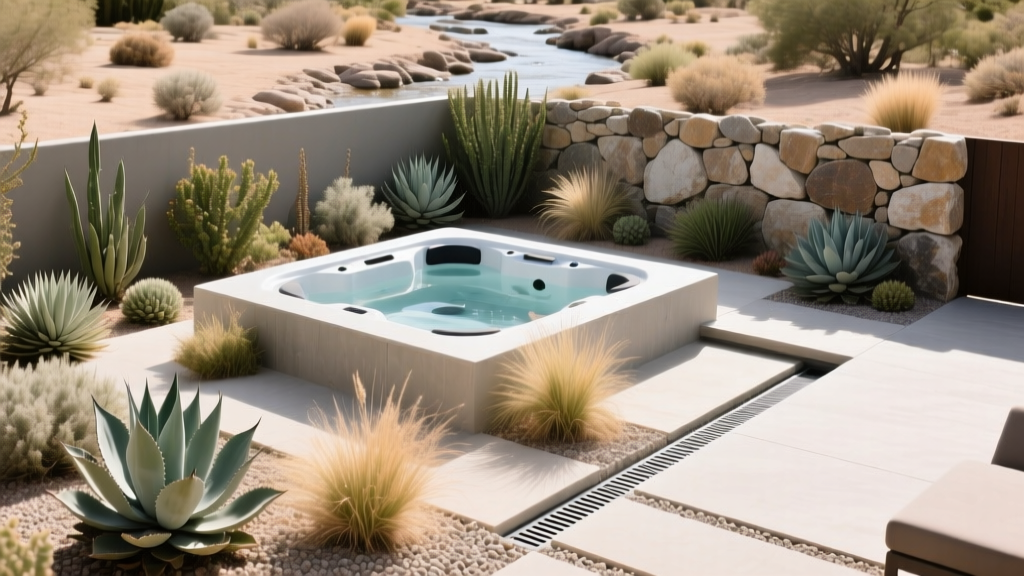
Xeriscape Hot Tub Privacy Screens & Drainage Plans 2026
Sarah ChenPublished
The 2026 Approach to Xeriscape Hot Tub Landscaping
As we navigate the landscaping trends of 2026, merging luxury outdoor living with strict water conservation is no longer just an eco-friendly choice; it is a practical necessity. With municipal water restrictions tightening across many regions, homeowners are turning to xeriscaping to create stunning, resilient outdoor spaces. However, integrating a high-water-use feature like a hot tub into a low-water landscape presents unique challenges. You must balance the need for intimate privacy screens with the reality of managing hundreds of gallons of chemically treated water during routine hot tub maintenance.
According to the EPA WaterSense program, outdoor water use accounts for nearly a third of total household water consumption, making drought-tolerant design critical. This guide explores how to build effective, drought-resistant privacy enclosures and engineer smart drainage systems that protect your xeriscape from the deluge of a hot tub drain-and-fill cycle.
Designing Drought-Tolerant Privacy Screens
A hot tub requires visual privacy, but traditional privacy hedges like Arborvitae or Ficus are water hogs that violate the core principles of xeriscaping. In 2026, the most successful low-water privacy screens utilize a hybrid approach, combining structural hardscaping with carefully selected xeric plant species.
Softscape: Xeric Plants for Vertical Privacy
When selecting plants to soften the edges of your hot tub enclosure, focus on native or adapted species that provide vertical interest without demanding frequent irrigation. Once established, these plants require minimal supplemental watering:
- Shoestring Acacia (Acacia stenophylla): This evergreen tree features long, narrow, weeping foliage that creates a dense, semi-transparent screen. It can reach heights of 20 to 30 feet and thrives in intense heat and poor soil, requiring deep watering only once a month during peak summer.
- Texas Ranger (Leucophyllum frutescens): Also known as Texas Sage, this shrub can be pruned into a dense, 6-to-8-foot privacy hedge. It is famous for its spectacular purple blooms that erupt after rain or high humidity, adding a lush, tropical feel to the hot tub area without the water cost.
- Deer Grass (Muhlenbergia rigens): While not a solid visual block, planting massive, 4-foot-tall clumps of Deer Grass in staggered rows creates a kinetic, blurred privacy screen that sways beautifully in the wind and requires almost zero maintenance.
Hardscape: Modern Materials for Xeriscape Screens
To reduce the square footage of living plant material needed, integrate architectural hardscape elements. These materials provide immediate privacy, cast dramatic shadows when illuminated by smart LED landscape lighting, and require absolutely no water.
- Corten Steel Panels: Weathering steel develops a beautiful, protective rust patina that blends seamlessly with desert and xeric color palettes. Laser-cut Corten screens can feature geometric or botanical motifs, allowing dappled light and breeze to pass through while blocking sightlines from neighbors.
- Gabion Baskets: Wire cages filled with locally sourced, drought-resistant materials like basalt, river rock, or recycled concrete. Gabion walls offer excellent sound dampening for hot tub jets and provide microclimates where small succulents can be tucked into the crevices.
- Composite Slatted Screens: Modern composite lumber, made from recycled plastics and wood fibers, resists rot and splintering in the humid microclimate immediately surrounding a hot tub. Horizontal slat designs offer privacy while maintaining airflow.
Mastering Hot Tub Drainage in Low-Water Yards
The most overlooked aspect of hot tub landscaping is drainage. A standard residential hot tub holds between 300 and 500 gallons of water. When it is time to drain the tub for a deep clean—a process typically required every three to four months—releasing that volume of water directly onto a xeriscape can be catastrophic. Drought-tolerant plants, particularly succulents and agaves, are highly susceptible to root rot and fungal infections if their soil remains saturated. Furthermore, the Colorado State University Extension notes that improper water management can lead to soil erosion and nutrient leaching, undermining the very foundation of a xeriscape design.
The Chemical Challenge
Hot tub water contains chlorine, bromine, and dissolved solids. You cannot simply drain this water into a dry creek bed or rain garden. The water must first be dechlorinated. In 2026, homeowners use sodium thiosulfate granules or liquid dechlorinators to neutralize the chemicals instantly, or they simply allow the water to sit uncovered for 72 hours so the chlorine can off-gas naturally. Always test the water with a basic pool strip before directing it into your landscape.
The Xeriscape Drainage Solution: Infiltration Basins
Instead of letting water pool on the surface, you must move it subsurface. A French drain system connected to a dry well or an infiltration basin is the gold standard for hot tub drainage in xeriscapes. This system captures the massive surge of water, holds it temporarily in an underground gravel reservoir, and allows it to percolate slowly into the surrounding soil at a rate that xeric plant roots can handle without drowning.
Comparison Chart: Xeric Privacy Screen Materials
Choosing the right privacy screen involves balancing upfront costs, water requirements, and longevity. Below is a 2026 comparison of popular xeriscape-friendly privacy options:
| Material / Plant | Water Requirement | Est. Cost (2026) | Privacy Level | Lifespan |
|---|---|---|---|---|
| Corten Steel Panels | None | $45 - $85 / sq ft | High (Solid/Semi) | 50+ Years |
| Gabion Rock Baskets | None | $30 - $50 / sq ft | Very High (Solid) | 100+ Years |
| Composite Slats | None | $25 - $40 / sq ft | High (Adjustable) | 25-30 Years |
| Shoestring Acacia | Very Low (Monthly) | $150 - $250 / tree | Medium (Filtered) | 30-40 Years |
| Texas Ranger Hedge | Low (Bi-weekly) | $40 - $70 / shrub | High (Dense) | 15-20 Years |
Step-by-Step Xeriscape Drainage Installation
To protect your low-water landscape from hot tub runoff, follow these actionable steps to install a dedicated drainage line:
- Plan the Route: Map a path from the hot tub equipment pad to a designated lower-elevation zone in your yard, avoiding the root zones of established, highly drought-sensitive plants like large Agaves or Yuccas.
- Dig the Trench: Excavate a trench 18 inches deep and 12 inches wide. Ensure a consistent downward slope of at least 1 inch per 8 feet to maintain gravity-fed water flow.
- Line the Trench: Lay down a heavy-duty, non-woven geotextile fabric. This prevents fine desert silts and clays from migrating into the gravel and clogging the system over time.
- Add Base Gravel: Place 3 inches of washed, 3/4-inch crushed gravel at the bottom of the trench.
- Install the Pipe: Lay a 4-inch perforated PVC or flexible corrugated drain pipe on top of the gravel, with the perforations facing downward. This allows water to enter the pipe from the bottom and distribute evenly into the dry well.
- Fill and Cap: Cover the pipe with more gravel until it is 3 inches below the surface. Fold the excess geotextile fabric over the top to create a 'gravel burrito,' then cap the trench with 2 inches of decomposed granite or local river rock to match your xeriscape aesthetic.
Smart Home Integration for Water Management
In 2026, smart home technology plays a vital role in maintaining the delicate balance of a xeriscape. Integrate wireless soil moisture sensors into the planting beds surrounding your hot tub privacy screen. Because the microclimate near a hot tub is more humid and may receive occasional splash-out, the soil here will retain moisture differently than the rest of the yard. By connecting these sensors to a smart irrigation controller, you can automatically override scheduled watering for the privacy hedge if the soil already holds sufficient moisture from recent hot tub maintenance or splash-out. This prevents the accidental overwatering that frequently kills xeric plants in luxury outdoor setups.
Conclusion
Integrating a hot tub into a xeriscape requires thoughtful planning, but the result is a luxurious, private oasis that respects local water resources. By selecting architectural hardscaping and deep-rooted native plants for your privacy screens, and by engineering a robust subsurface drainage system to handle water changes, you can enjoy the ultimate outdoor relaxation space without compromising your low-water landscaping goals.
