Home & Garden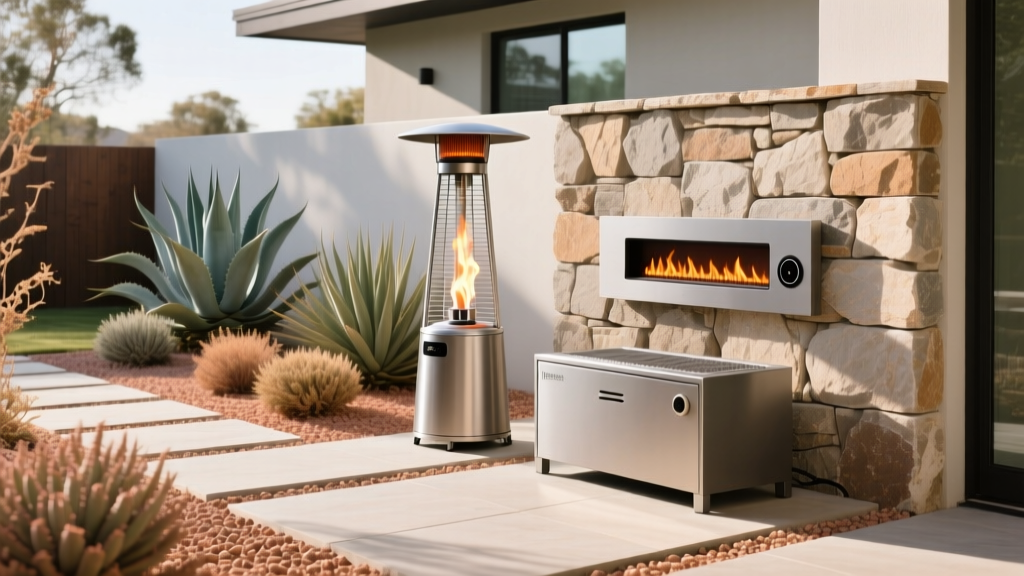
Propane vs Infrared Electric Patio Heaters: 2026 Guide
David ParkPublished
The Evolution of the Xeriscape Patio in 2026
As drought-tolerant landscaping continues to dominate residential outdoor design in 2026, the modern xeriscape has evolved far beyond simple gravel and cacti. Today’s low-water landscapes are sophisticated, multi-functional outdoor living rooms featuring permeable hardscapes, shade structures, and curated botanical specimens. However, as the seasons change and evening temperatures drop, homeowners face a unique challenge: how to heat these sustainable spaces without compromising the delicate microclimates and eco-friendly principles that define xeriscaping.
The debate between traditional propane patio heaters and modern infrared electric heaters is no longer just about warmth; it is about environmental stewardship, plant safety, and hardscape preservation. According to the EPA's WaterSense program, sustainable landscaping extends beyond irrigation to encompass holistic outdoor resource management. Choosing the right heat source is a critical component of this ecosystem. In this comprehensive 2026 guide, we break down the coverage, efficiency, and xeriscape compatibility of propane versus infrared electric patio heaters.
Understanding Heat Coverage: Propane vs. Infrared Electric
To make an informed decision for your low-water patio, it is essential to understand how these two heating technologies distribute thermal energy across an open-air environment.
Propane Convection and Radiant Heat
Traditional "mushroom-style" propane heaters operate by burning gas to heat a metal emitter at the top of the unit. This process creates a mix of radiant heat (which travels in straight lines from the emitter) and convection heat (which rises and pushes outward). While a standard 40,000 BTU propane heater can technically project warmth into a 150 to 200-square-foot radius, it is highly susceptible to wind. In an open xeriscape environment where windbreaks are minimal to preserve natural airflow and prevent fungal diseases in succulents, a significant percentage of convective heat is simply lost to the atmosphere.
Infrared Electric Radiant Heat
Infrared electric heaters operate on a completely different principle. Instead of heating the air, they emit electromagnetic infrared waves that travel through the air and convert into heat only when they strike a solid object or person. The U.S. Department of Energy notes that radiant heating systems are inherently more efficient in open or drafty spaces because they do not rely on warming the surrounding air. A 3,000-watt infrared electric heater typically covers a directional cone of 100 to 150 square feet. Because it heats objects directly, its coverage remains entirely unaffected by evening breezes, making it vastly superior for exposed, low-water garden patios.
Coverage and Efficiency Comparison Chart
| Feature | Propane (Freestanding Mushroom) | Infrared Electric (Mounted) |
|---|---|---|
| Heat Type | Convection & Radiant | Pure Radiant (Directional) |
| Max Coverage Area | 150 - 200 sq ft (Omnidirectional) | 100 - 150 sq ft (Directional Cone) |
| Wind Resistance | Poor (Convective heat blows away) | Excellent (Unaffected by wind) |
| Xeriscape Integration | Floor-standing (Takes up hardscape space) | Ceiling/Wall Mount (Saves space) |
| Eco-Impact | High (Direct CO2 and moisture emissions) | Low (Zero point-of-use emissions) |
| Smart Home Ready | Rare (Manual ignition) | Common (Wi-Fi relays, motion sensors) |
The Xeriscape Perspective: Plant Safety and Soil Health
Why does the type of heater matter for a drought-tolerant garden? The answer lies in the specific needs of xeriscape flora and the integrity of low-water hardscapes.
The Humidity Threat to Succulents and Cacti
Xeriscape plants such as Agave americana, Yucca rostrata, and various Sedum species are adapted to arid environments. They thrive in low-humidity conditions and require excellent airflow to prevent crown rot and fungal pathogens. When a propane heater burns, one of the primary byproducts of combustion is water vapor. In the immediate vicinity of a propane heater, localized humidity spikes dramatically. If placed too close to prized drought-tolerant specimens, this artificial moisture can create a microclimate that invites rot, entirely undermining the careful horticultural balance of your garden.
Infrared electric heaters, by contrast, produce zero exhaust and zero moisture. They emit a clean, dry heat that mimics the sun, posing absolutely no fungal or humidity-related threat to your surrounding low-water botanicals.
Protecting Permeable Hardscapes and Soil Crusts
A foundational element of xeriscaping is the use of permeable hardscapes like decomposed granite (DG), pea gravel, and biological soil crusts, which allow rainwater to percolate into the aquifer rather than running off into storm drains. Freestanding propane heaters are notoriously heavy, often weighing 40 to 60 pounds when the tank is full. Dragging or placing these units on decomposed granite can compact the material, sealing the surface and destroying the permeability that is vital to your landscape's drainage strategy. Furthermore, the risk of a propane heater tipping over in high winds poses a severe scorch risk to both plants and permeable groundcovers.
Electric infrared heaters solve this problem elegantly. By mounting them to the ceiling of a pergola or the underside of a shade sail—structures already commonly used in xeriscapes to reduce soil evaporation—you keep the floor entirely clear, preserving the integrity of your drainage-friendly hardscapes.
2026 Operational Costs and Eco-Impact
Sustainability is the core ethos of xeriscaping. Homeowners who invest in low-water landscaping are typically highly conscious of their overall carbon footprint and resource consumption.
The Carbon Footprint of Propane
Propane is a fossil fuel. Burning it releases carbon dioxide and other greenhouse gases directly into your backyard. According to data from the EPA on greenhouse gas emissions, reducing direct fossil fuel combustion is a key step in residential sustainability. A standard propane patio heater consumes roughly one gallon of propane every 3 to 4 hours on high settings, generating a continuous stream of localized emissions.
The Electric Advantage and Solar Synergy
Infrared electric heaters draw power from the grid, but their true potential in a xeriscape is unlocked when paired with residential solar panels. In 2026, smart home integration allows homeowners to run high-wattage infrared heaters directly off daytime-stored solar battery reserves. This creates a closed-loop, zero-emission heating system that perfectly aligns with the water-saving, earth-conscious philosophy of xeriscaping.
Cost Breakdown (2026 Estimates)
- Propane: A 20lb tank refill costs approximately $20 to $28 in 2026, yielding 10 to 15 hours of heat. Cost per hour: $1.50 - $2.50.
- Infrared Electric: A 3,000W (3kW) infrared heater running on the national average 2026 electricity rate of $0.17 per kWh. Cost per hour: $0.51.
- Smart Savings: Electric heaters equipped with motion-sensing relays automatically power down when the patio is empty, reducing operational costs by up to 40% compared to a manually operated propane valve.
Integrating Heaters with Low-Water Hardscapes
When designing your outdoor living space, the physical installation of the heater must complement your landscape architecture.
Pergola and Ramada Mounting
In xeriscape design, pergolas are often used to cast dappled shade over seating areas, protecting shade-tolerant, low-water plants like Dyckia or Haworthia from the harsh midday sun. Infrared electric heaters, such as the popular Bromic Tungsten Smart-Heat series or Infratech SL-Series, are designed to be flush-mounted or pole-mounted directly to these wooden or steel structures. This provides targeted, directional heat exactly where people sit, without wasting energy on empty garden pathways.
Freestanding Solutions for Flagstone
If your xeriscape features solid flagstone or large concrete pavers set in sand, and you lack overhead structures, freestanding electric infrared towers are a viable 2026 alternative to propane. These sleek, weighted towers do not emit exhaust, do not produce humidity, and feature modern aesthetics that blend seamlessly with contemporary desert-modern landscape designs.
Final Verdict for the Eco-Conscious Homeowner
While propane patio heaters offer a nostalgic ambiance and omnidirectional warmth, they are fundamentally at odds with the principles of modern xeriscaping. The localized humidity threatens drought-adapted flora, the physical weight damages permeable hardscapes, and the direct carbon emissions contradict the sustainable ethos of low-water landscaping.
For the 2026 eco-conscious homeowner, infrared electric patio heaters are the undisputed winner. They offer superior wind-resistant coverage, protect your delicate succulents and soil crusts, integrate beautifully with shade structures, and can be powered by renewable solar energy. By choosing infrared electric, you extend the usability of your xeriscape into the cooler months while maintaining the environmental integrity that makes low-water landscaping so vital to our future.
