
Landscaping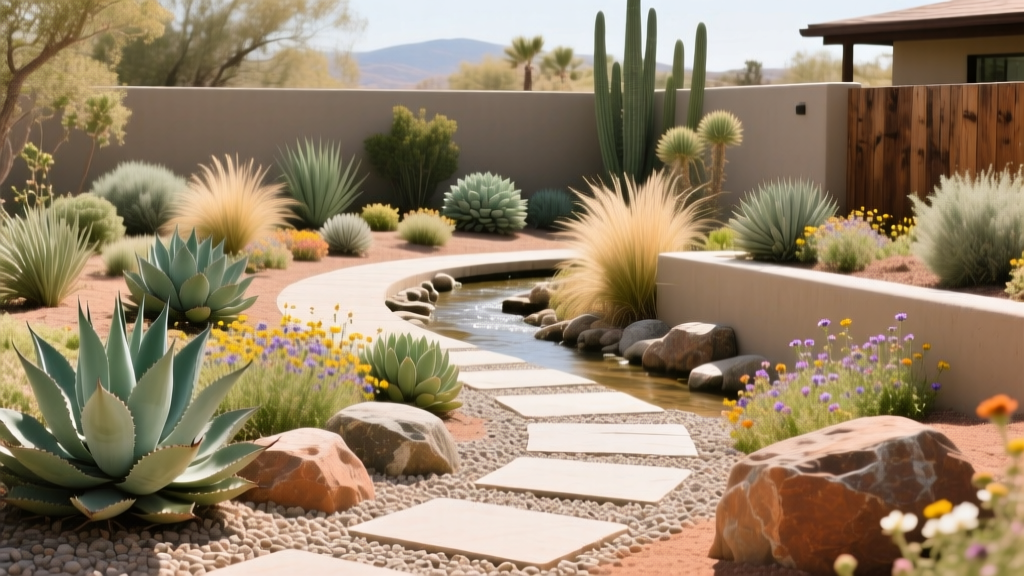
Xeriscaping Design Ideas: Plan a Water-Smart Landscape
Sarah ChenPublished
Rethinking the American Lawn
For decades, the quintessential American landscape has been defined by vast, manicured turfgrass lawns. However, shifting climate patterns, frequent droughts, and rising water costs are prompting homeowners to rethink their outdoor spaces. According to the Environmental Protection Agency (EPA), outdoor water use accounts for nearly 30% of total household water consumption, with some arid regions seeing that number climb above 50%. This is where xeriscaping—a landscape design philosophy focused on water conservation—becomes an essential planning tool.
Xeriscaping is not about creating a barren, desert-like yard filled with rocks and cacti. When planned correctly, a xeriscape design yields a lush, vibrant, and ecologically resilient outdoor living space that requires a fraction of the water and maintenance of traditional turf. Whether you are starting from scratch or retrofitting an existing garden bed, meticulous planning is the cornerstone of a successful water-smart landscape.
The 7 Principles of Xeriscape Planning
The term 'xeriscape' was coined in 1981 by the Denver Water Department, and the methodology is built upon seven foundational principles. As outlined by Colorado State University Extension, these principles guide the entire design process from initial site analysis to long-term maintenance.
1. Planning and Design
Before purchasing a single plant, you must map your property. Create a base plan that notes existing structures, slopes, sun exposure, and wind patterns. Identify microclimates: the south-facing side of your home will be significantly hotter and drier than a shaded north-facing courtyard.
2. Soil Analysis and Improvement
Native drought-tolerant plants often prefer well-draining soil, while traditional garden beds might need moisture retention. Conduct a percolation test by digging a 12-inch deep hole, filling it with water, and timing the drainage. If water remains after 24 hours, you have heavy clay. Amend clay soils with expanded shale or pumice (up to 30% by volume) to improve aeration and drainage without adding excess water-retaining organic matter that can rot xeriscape plant roots.
3. Practical Turf Areas
Xeriscaping does not strictly forbid grass; it simply demands that turf be used practically. Limit grass to functional areas, such as a small play space for children or pets. Consider replacing traditional Kentucky Bluegrass with drought-tolerant alternatives like Buffalograss or UC Verde Buffalograss, which require up to 75% less water once established.
4. Efficient Irrigation
Abandon traditional broadcast sprinklers for garden beds. Plan for a zoned drip irrigation system that delivers water directly to the root zone, minimizing evaporation and wind drift.
5. Mulching
Mulch is the unsung hero of xeriscape design. It cools the soil, suppresses weeds, and drastically reduces evaporation. Plan to apply a 2-to-3-inch layer of organic wood chips for shaded garden beds, and use 3/8-inch crushed inorganic gravel for arid, full-sun zones where organic mulch might trap too much moisture around succulent crowns.
6. Low-Water Plants
Select plants that are adapted to your specific USDA Hardiness Zone and local rainfall patterns. Prioritize native species, as their deep root systems are evolutionarily adapted to survive local dry spells.
7. Appropriate Maintenance
While xeriscapes are low-maintenance, they are not no-maintenance. Planning must include a schedule for seasonal pruning, weeding, and checking irrigation lines for clogs or leaks.
Hydrozoning: The Secret to Plant Survival
Hydrozoning is the practice of grouping plants with similar water, sun, and soil requirements together. This prevents the common landscaping mistake of overwatering drought-tolerant plants simply because they are planted next to a thirsty hydrangea. When drafting your design, divide your landscape into distinct hydrozones.
| Hydrozone | Water Requirement | Plant Examples | Irrigation Method |
|---|---|---|---|
| Oasis Zone | High (Regular) | Hydrangea, Ferns, Japanese Maple | Drip / Micro-spray |
| Transition Zone | Medium (Occasional) | Salvia, Ornamental Grasses, Yarrow | Drip (0.9 GPH emitters) |
| Arid Zone | Low (Rare / None) | Agave, Sedum, Yucca, Lavender | Hand-water / None |
Design Tip: Place your Oasis Zone near the house, patio, or downspouts where water naturally collects or where you spend the most time viewing the garden. Push the Arid Zone to the periphery of your property, along driveways, or near reflective surfaces like south-facing walls.
Hardscaping for Permeability and Aesthetics
Hardscaping plays a vital role in xeriscape design by reducing the total square footage of thirsty plants while managing stormwater runoff. When planning patios, walkways, and seating areas, prioritize permeable materials that allow rainwater to infiltrate the soil and recharge local groundwater.
- Decomposed Granite (DG): An excellent, cost-effective material for pathways. When stabilized with a binder, DG creates a firm, ADA-accessible surface that still allows water percolation. Budget approximately $3 to $5 per square foot for materials and installation.
- Permeable Pavers: Ideal for patios and driveways. These pavers are spaced slightly apart, with joints filled with crushed gravel rather than mortar. They can handle heavy loads while directing surface water into an underlying gravel reservoir.
- Dry Creek Beds: Use rounded river rock (ranging from 2 to 6 inches in diameter) to create dry creek beds that manage drainage issues. Line the trench with heavy-duty landscape fabric to prevent weed growth and soil erosion during heavy rain events.
Drip Irrigation System Planning
A well-planned drip system is the circulatory system of your xeriscape. Unlike sprinklers that water the air and the leaves (inviting fungal diseases), drip systems target the roots. When designing your layout, utilize pressure-compensating (PC) drip lines, such as Netafim Techline CV or Rain Bird Xeri-Tube. PC emitters ensure that plants at the top of a slope receive the exact same amount of water as those at the bottom.
For arid zones featuring widely spaced shrubs and agaves, use point-source emitters. Install a 2 GPH (gallons per hour) pressure-compensating button emitter at the base of each plant. As the plant matures and its root ball expands, simply add more emitters to the drip line to accommodate the wider canopy. Always connect your system to a smart Wi-Fi irrigation controller, like the Rachio 3 or Hydro-Rain HRC, which automatically adjusts watering schedules based on local hyper-local weather data and evapotranspiration rates.
Budgeting Your Xeriscape Project
Transitioning to a xeriscape requires an upfront investment, but the return on investment (ROI) is realized through slashed water bills, reduced maintenance costs, and potential municipal rebates. Many local water districts offer 'Cash for Grass' rebates, paying homeowners between $1.00 and $3.00 per square foot of removed turf.
Estimated Cost Breakdown (Per Square Foot)
- Turf Removal & Grading: $1.50 - $3.00 (Sod cutting, disposal, and basic re-grading for drainage)
- Soil Amendment & Weed Barrier: $0.75 - $1.50 (Compost, expanded shale, and heavy-duty woven geotextile fabric)
- Hardscaping (DG & Boulders): $4.00 - $12.00 (Varies heavily based on material choice and site accessibility)
- Drip Irrigation Installation: $1.00 - $2.50 (Trenching, mainlines, valves, and drip tubing)
- Plants & Mulch: $2.50 - $6.00 (1-gallon to 5-gallon native plants, plus 3 inches of gravel or wood mulch)
For a standard 1,000-square-foot front yard conversion, homeowners can expect to spend between $8,000 and $15,000 for a professional design-build installation. However, factoring in a $2,000 municipal turf-removal rebate and an annual water savings of $500 to $900, the project typically pays for itself within 5 to 8 years, all while drastically increasing your property's curb appeal and ecological value.
Conclusion
Xeriscaping is a proactive, intelligent approach to landscape design that harmonizes human aesthetics with environmental realities. By adhering to the principles of hydrozoning, investing in permeable hardscaping, and installing precision drip irrigation, you can cultivate a stunning, resilient landscape. Plan thoroughly, respect your site's unique microclimates, and embrace the diverse beauty of water-wise horticulture.

